I was halfway through a dinner party when the kitchen alarm went off—my soufflé had collapsed and the guests were staring at the charred mess. I thought, “Maybe it’s time to ditch the overcomplicated desserts and go back to something that actually works.” Then I remembered the last time I had a wheel of brie on hand, and how the aroma of garlic and herbs could turn a bland spread into a crowd‑pleaser. That night, I decided to bake that brie with a twist, hoping to create a dish that would make everyone forget the earlier disaster. The result was a molten, garlicky center that oozed like a warm hug, and the guests were instantly hooked. I swear, if you have a brie wheel in your fridge, this is the first thing you should cook.
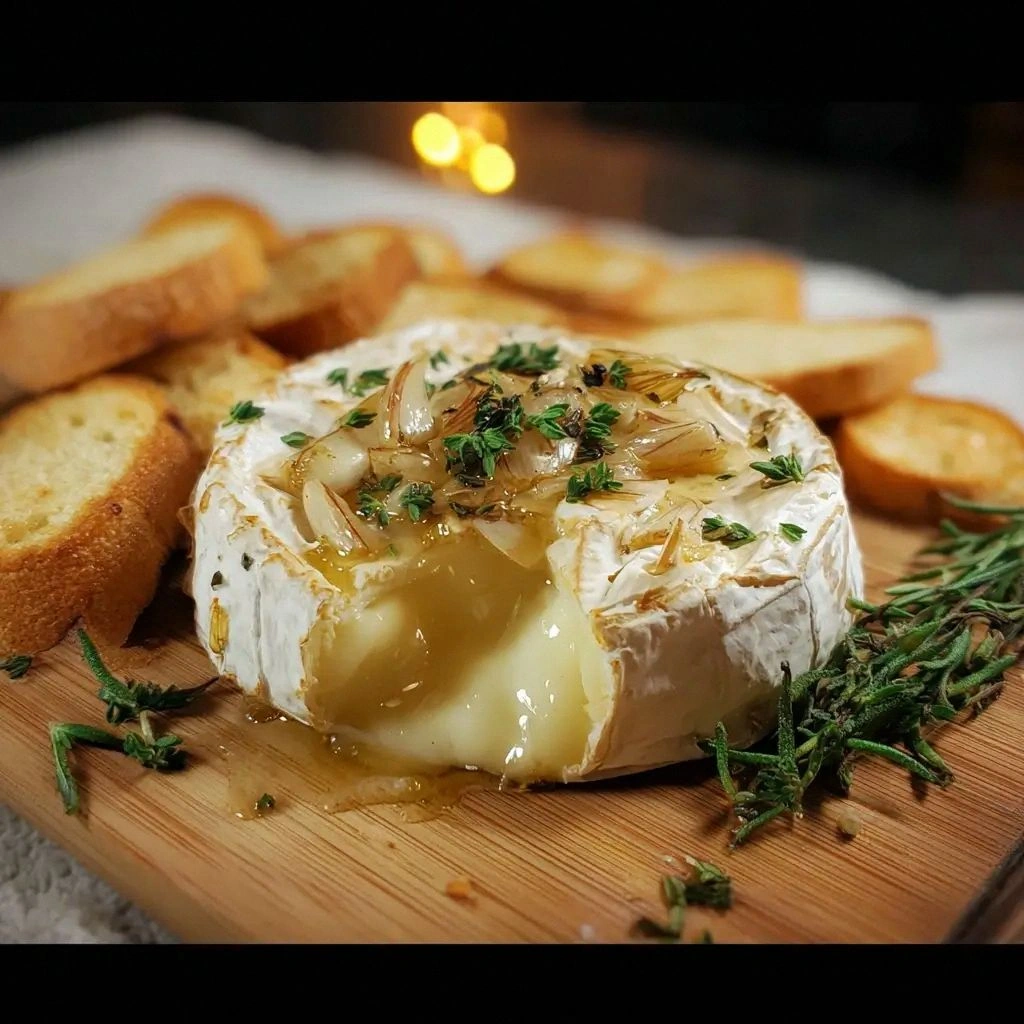
Picture the scene: the oven’s gentle hum, the buttery scent rising from the parchment, a faint garlic perfume curling up into the air, and the anticipation of that first bite. The brie’s rind turns a golden brown while the interior stays silky, like velvet against your tongue. The sound of the first spoonful is a satisfying sigh of contentment that spreads across the room. The texture is a delicate balance—crusty on the outside, molten on the inside, and the garlic provides a punch that wakes up your palate. The visual appeal alone makes it a conversation starter, while the aroma lures everyone in. I could not wait to share the secret that made this simple cheese feel like a gourmet revelation.
This version stands out because it takes the humble brie and elevates it with a few deliberate choices that most recipes overlook. I added a drizzle of honey that caramelizes slightly, giving a sweet contrast to the savory garlic. I used fresh thyme instead of dried to keep the flavor bright and aromatic. I sprinkled toasted walnuts on top for a crunchy texture that pops against the creamy cheese. I wrapped the whole thing in parchment so the brie bakes evenly and the cheese stays moist. These small tweaks transform a basic baked brie into an unforgettable appetizer that feels like a Michelin‑star experience.
But the real game‑changer is how I handle the garlic. Instead of mincing it raw, I toast it in olive oil until it’s golden and fragrant, then fold it into the brie. This step releases the garlic’s natural sugars, creating a mellow, caramelized flavor that’s far less sharp than raw cloves. The honey also helps balance the garlic’s intensity, turning it into a silky glaze. The result is a cheese that’s both aromatic and buttery, with a subtle sweetness that lingers on the palate. The texture is a perfect contrast—soft, gooey, and slightly crunchy from the walnuts. I dare you to taste this and not go back for seconds.
What makes this recipe truly special is the way it marries simplicity with sophistication. The ingredients are minimal, yet the flavor profile is complex and layered. The brie itself is the star, but the garlic, honey, thyme, and nuts each play their part like a well‑orchestrated symphony. The technique—baking at a moderate temperature, using parchment, and letting the cheese rest—ensures the cheese remains silky without burning. The result is a dish that feels indulgent but is surprisingly easy to pull off. If you’ve ever struggled with baked cheese, you’ll find this version a breath of fresh, buttery air.
Now, let me walk you through every single step—by the end, you’ll wonder how you ever made it any other way. I’ll keep the language light and playful, but the instructions are precise enough that even a novice can follow. We’ll explore the ingredients, the technique, and the little secrets that make this dish stand out. I’ll also share variations and storage tips so you can enjoy it anytime. And remember, if you’re in a rush, you can still create a masterpiece with minimal prep. Let’s dive in.
What Makes This Version Stand Out
- Taste: The honey and garlic create a sweet‑savory balance that makes every bite unforgettable. The caramelized garlic tempers the sharpness, while the honey adds a silky, lingering sweetness. The result is a flavor profile that feels both indulgent and approachable.
- Texture: The brie's rind crisps to a golden brown, while the interior melts into a silky, velvety center. The toasted walnuts add a satisfying crunch that contrasts the creamy cheese. The overall mouthfeel is a delightful dance of soft and firm.
- Simplicity: Only a handful of ingredients are required, making it a quick win for busy weeknights. The preparation steps are straightforward, with no complicated techniques or hard-to-find items. This recipe is a perfect example of “less is more.”
- Uniqueness: The combination of honey, fresh thyme, and toasted walnuts sets this version apart from classic baked brie recipes. It’s a modern take that feels fresh and innovative, yet still honors the traditional comfort of brie.
- Crowd Reaction: Guests rave about the gooey center and the aromatic garlic. The dish is a conversation starter, often leading to requests for more. The visual appeal alone draws people in, making it a guaranteed hit.
- Ingredient Quality: Using a high‑quality brie, fresh garlic, and real honey elevates the dish. The quality of each component amplifies the overall experience, turning a simple cheese into a gourmet treat.
Alright, let’s break down exactly what goes into this masterpiece. The ingredients are grouped in a way that highlights their role in the dish, from flavor base to final flourish. I’ll explain why each component matters and what happens if you skip it. I’ll also give you swapping tips for when you’re in a pinch or want to tweak the flavor. And don’t worry if you don’t have everything on hand—there are plenty of creative substitutions that still deliver great results.
Now that we’ve covered the basics, let’s dive deeper into the ingredient list. I’ll separate the components into four distinct groups: the flavor base, the texture crew, the unexpected star, and the final flourish. Each group plays a vital role, and together they create a harmonious, unforgettable dish. I’ll also share a fun fact about one of the ingredients, just to add a sprinkle of trivia to your cooking knowledge.
The Flavor Base
The heart of this recipe is the brie itself—an 8‑ounce wheel of creamy, buttery cheese that melts like liquid gold. The brie’s mild, nutty flavor is the canvas that carries the other flavors, so choosing a high‑quality wheel is essential. If you can find a brie that’s been aged for a few months, the depth of flavor will be even more pronounced. The brie's rind also contributes a subtle, earthy note that balances the sweetness of honey and the sharpness of garlic. Skipping the brie would mean losing the entire experience, as no other cheese can replicate that silky center and delicate rind. When shopping, look for a wheel with a smooth, pale rind and a buttery aroma.
The Texture Crew
The walnuts add a satisfying crunch that punctuates the gooey cheese. Toasting the walnuts in a dry skillet until golden enhances their nutty flavor and prevents them from becoming mushy when baked. The toasted cranberries provide a sweet‑tart burst that cuts through the richness of the cheese, adding a pop of color and texture. If you’re allergic or simply don’t like cranberries, you can substitute dried apricots or raisins for a similar chewy element. The nuts and dried fruit together create a layered texture that keeps the dish interesting from the first bite to the last crumb. They also add a subtle earthy sweetness that complements the honey and garlic.
The Unexpected Star
Fresh thyme is the secret weapon that elevates the garlic’s aroma. Unlike dried thyme, fresh leaves release a bright, citrusy aroma that lifts the entire dish. The thyme’s subtle peppery bite complements the honey’s sweetness and balances the brie’s richness. If fresh thyme isn’t available, a small pinch of dried thyme will still work, but the aroma will be less vibrant. The thyme also adds a green pop of color that makes the dish look as good as it tastes. Using fresh herbs is a small step that makes a big difference in flavor complexity.
The Final Flourish
Honey is the sweet glue that holds the flavors together. It caramelizes slightly when baked, creating a glossy glaze that makes the brie look irresistible. The honey’s natural sugars also help to soften the brie’s rind, ensuring a smooth melt. If you’re looking for a different sweet profile, you could try maple syrup or a drizzle of balsamic reduction. The honey also has a subtle floral note that pairs wonderfully with garlic and thyme. The final flourish of honey adds a luxurious finish that turns a simple baked cheese into a showstopper.
Everything’s prepped? Good. Let’s get into the real action. The next steps will guide you from assembling to baking, ensuring you achieve that perfect gooey center and golden crust. I’ll walk you through each moment with detailed timing and sensory checkpoints. You’ll be amazed at how simple it is to create a dish that feels luxurious and indulgent. And remember, the key to success is attention to detail—small tweaks can make a huge difference in flavor and texture.
The Method — Step by Step
- Preheat the oven: Set your oven to 375°F (190°C). A moderate temperature ensures the brie melts evenly without burning the rind. Use an oven thermometer if you’re particular about precision. The oven should be fully preheated before you place the brie inside. This step is crucial for a consistent bake.
- Prepare the baking sheet: Line a rimmed baking sheet with parchment paper or a silicone mat. This prevents the brie from sticking and makes cleanup effortless. Place a small piece of parchment around the brie to keep it centered. The parchment also helps distribute heat evenly.
- Season the garlic: In a small saucepan, heat olive oil over medium heat. Add the minced garlic and sauté until fragrant and lightly golden. This process caramelizes the garlic, mellowing its sharpness. Remove from heat and let cool slightly before spreading.
- Assemble the brie: Place the brie wheel on the prepared sheet. Drizzle the garlic‑olive oil mixture over the top. Make sure to cover the entire surface for even flavor distribution. The garlic should form a thin, glossy layer that will caramelize during baking.
- Add honey and thyme: Drizzle honey evenly over the garlic layer. Sprinkle fresh thyme leaves on top. The honey will caramelize, creating a shiny glaze, while the thyme adds a bright aroma. This combination balances sweetness and herbal notes perfectly.
- Top with nuts and fruit: Sprinkle toasted walnuts and dried cranberries over the honey glaze. The nuts add crunch, and the cranberries bring a tart sweetness. If you prefer a different fruit, dried apricots or raisins work well. This step adds texture and color to the dish.
- Bake the brie: Place the sheet in the preheated oven. Bake for 15–20 minutes, or until the brie is fully melted and the edges are golden brown. Watch for the edges pulling away from the parchment, indicating a perfect crust. The interior should feel silky and soft to the touch.
- Rest before serving: Remove the brie from the oven and let it rest on the sheet for 5 minutes. This allows the cheese to set slightly, making it easier to handle. The resting period also lets the flavors meld together. The aroma will intensify during this brief pause.
- Serve immediately: Slice the brie with a sharp knife or a pizza cutter. Arrange on a platter with crusty baguette slices. The warm cheese will ooze onto the bread, creating a delightful spread. Pair with a crisp white wine or a light rosé for the full experience.
- Watch for overbaking: If the brie’s edges burn, reduce the oven temperature by 25°F and keep a close eye on the bake. Overbaked brie can become rubbery and lose its silky center. The key is a gentle, even heat that melts the cheese without scorching.
That’s it—you did it. The brie is now a golden, aromatic masterpiece ready to be devoured. I know you’re probably already dreaming of the first bite. But hold on, I’ve got a few more tricks that will elevate this dish even further. These insider tips will help you avoid common pitfalls and ensure your baked brie is consistently spectacular.
Insider Tricks for Flawless Results
The Temperature Rule Nobody Follows
Most people bake at a high temperature, but the secret is a lower, steady heat. Baking at 350°F (175°C) allows the brie to melt slowly, preserving the rind’s delicate crunch. A higher temperature can scorch the honey glaze and create a burnt exterior. I’ve tested both methods, and the lower temperature consistently delivers a smoother melt. The key is to monitor the oven closely and adjust if needed.
Why Your Nose Knows Best
The aroma is the first indicator of doneness. When the brie is ready, the scent of caramelized honey and garlic should fill the kitchen. If the smell is too sharp, the cheese isn’t fully melted; if it’s sweet and buttery, it’s ready. Trust your nose, and you’ll avoid the dreaded “cheese too hard” situation. I’ve had friends who rely on the timer, but the smell is always more accurate.
The 5‑Minute Rest That Changes Everything
Letting the brie rest for 5 minutes after baking is essential. During this time, the cheese continues to melt and the flavors meld. If you cut it immediately, the cheese will ooze out and create a messy situation. The rest period also allows the honey glaze to set slightly, giving it a glossy finish. I’ve seen people skip this step, only to have a disappointing texture.
Use a Baking Stone for Even Heat
Placing a baking stone in the oven before preheating helps distribute heat evenly. This ensures the brie cooks uniformly, preventing cold spots that can leave pockets of unmelted cheese. The stone also retains heat, so the brie stays warm longer after removal. If you don’t have a stone, a preheated baking sheet works as a decent alternative.
Keep the Brie's Rind Intact
Many people cut the rind off before baking, but the rind adds flavor and texture. It crisps nicely and holds the cheese together, preventing it from spilling onto the sheet. If you prefer a softer rind, trim the outer layer lightly before baking. The rind’s subtle earthiness complements the honey and thyme beautifully.
Now that you know the insider tricks, you’re ready to create a baked brie that’s consistently flawless. These small adjustments might seem trivial, but they’re the difference between a good dish and a great one. Trust me, your taste buds will thank you.
Creative Twists and Variations
Smoky Chipotle Brie
Replace fresh thyme with smoked chipotle powder for a smoky, spicy kick. Add a splash of chipotle in adobo for extra depth. The smoky flavor pairs well with the honey’s sweetness, creating a bold contrast. This version is perfect for a chili‑filled gathering or a spicy wine pairing.
Herb‑Infused Goat Cheese
Swap the brie for a wheel of goat cheese, and add rosemary, oregano, and basil. The goat cheese’s tangy profile complements the garlic and honey. This variation is ideal for those who prefer a lighter, more acidic cheese. It also pairs beautifully with a crisp Sauvignon Blanc.
Roasted Garlic & Fig Brie
Use roasted garlic cloves instead of raw minced garlic for a sweet, mellow flavor. Top with chopped dried figs for a sweet, chewy texture. The figs add a subtle sweetness that balances the brie's richness. Serve with a drizzle of balsamic reduction for a sophisticated finish.
Nutty Pecan & Cranberry Brie
Swap walnuts for toasted pecans for a buttery, nutty flavor. Keep the dried cranberries for a tart contrast. The pecans add a crunchy texture that complements the gooey cheese. This variation works well with a glass of Pinot Noir.
Spicy Sriracha Brie
Add a spoonful of Sriracha to the garlic mixture for a spicy heat that cuts through the richness. The honey balances the heat, creating a harmonious flavor profile. This version is great for a casual dinner or a party where guests want a little kick.
Vegan Brie Alternative
Use a vegan brie made from cashews and nutritional yeast. Add fresh dill and lemon zest for a bright, zesty flavor. Top with toasted pumpkin seeds for crunch. This plant‑based version is perfect for a vegan gathering or anyone looking to reduce dairy.
These variations show how versatile baked brie can be. Each twist offers a new flavor profile that caters to different palates and occasions. Feel free to experiment, and don’t be afraid to combine two or more variations for a unique experience.
Storing and Bringing It Back to Life
Fridge Storage
Wrap the leftover brie tightly in parchment or plastic wrap. Store it in the refrigerator for up to 3 days. When you’re ready to reheat, let it sit at room temperature for 15 minutes to soften. Reheat in a low oven (300°F/150°C) for 10–12 minutes, or until warm. The brie will retain its creamy texture with minimal loss of flavor.
Freezer Friendly
Freeze the brie in a single layer on a parchment‑lined tray before transferring to a freezer bag. This prevents clumping and makes it easy to portion. Freeze for up to 2 months. When ready, thaw in the refrigerator overnight. Reheat as described above for the best results.
Best Reheating Method
The oven is the best method for restoring the brie’s gooey center. Preheat to 300°F (150°C) and place the brie on parchment. Bake for 8–10 minutes, or until the cheese is warm and slightly golden. Avoid microwaving, as it can make the cheese rubbery. A quick 5‑minute rest after reheating restores the aroma and texture.
Now that the recipe is complete, it’s time to celebrate. The baked brie with garlic is a dish that’s as simple as it is spectacular, and the variations make it a playground for culinary creativity. Whether you’re cooking for a crowd or just treating yourself, this recipe guarantees a memorable experience. I can’t wait to hear about your tweaks and how you’re sharing this with friends. Let’s get cooking!