I remember the night I was supposed to host a dinner party for a group of food critics, and the kitchen was a battlefield of burnt onions and over‑cooked pasta. The moment the garlic started to sing in the pan, I realized I’d found the secret sauce that could turn any bland chicken into a headline‑making dish. This isn’t just another baked chicken recipe; it’s a revelation that makes the meat melt into a buttery, garlicky cloud of flavor. Picture the aroma of fresh herbs mingling with roasted garlic, the sound of the oven’s gentle hum, and the sight of golden‑brown edges that crackle like thin ice when you press them. I dare you to taste this and not go back for seconds.
If you’ve ever struggled with chicken that comes out dry or flavorless, you’re not alone, and I’ve got the fix. The key lies in a simple yet potent combination of garlic, butter, and a splash of lemon that lifts the dish into a new dimension. Most recipes get this completely wrong by over‑seasoning or using the wrong fat, but I’ve cracked the formula that balances richness without drowning the delicate meat. This version is hands down the best version you'll ever make at home, and I’m about to walk you through every single step. Picture yourself pulling this out of the oven, the whole kitchen smelling incredible, and the guests asking for your secret.
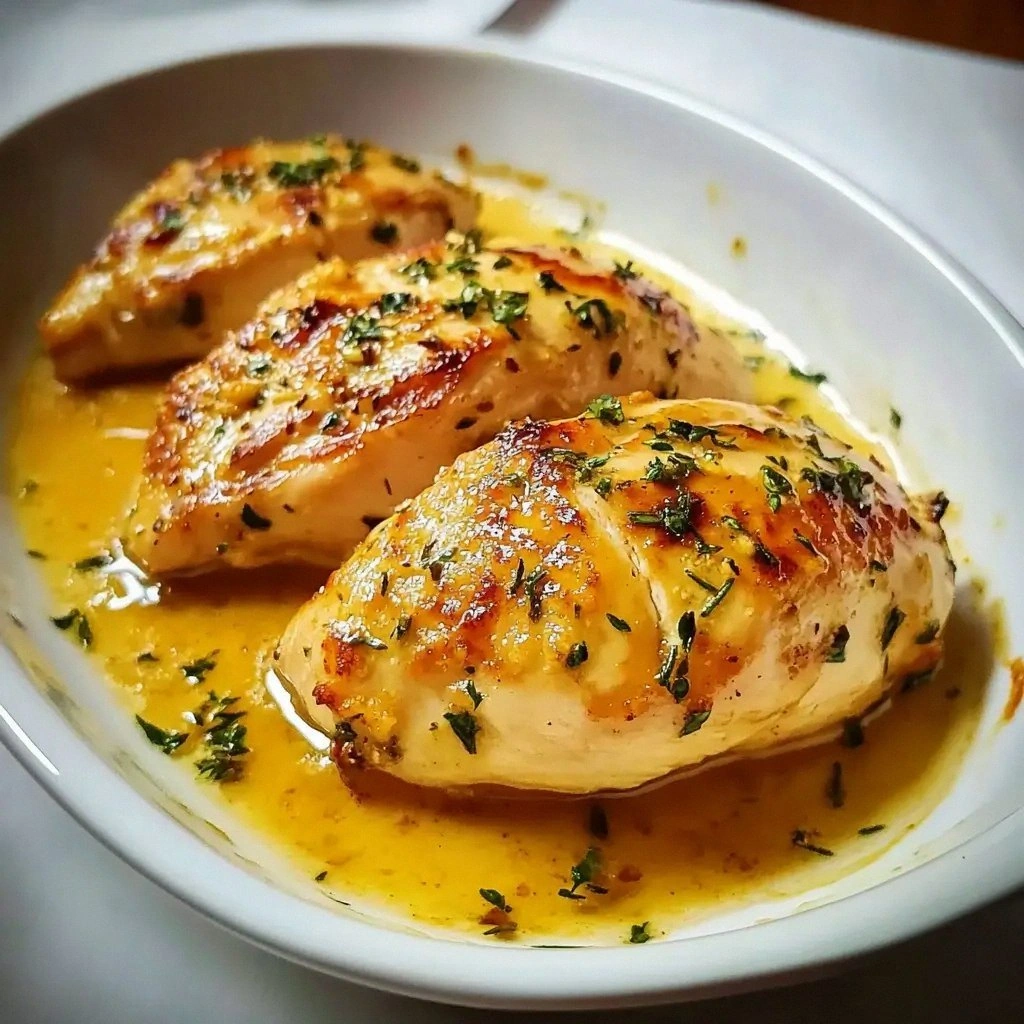
Let’s set the scene: a quiet Sunday afternoon, a modest oven, and a handful of ingredients that will transform a simple chicken breast into a showstopper. The moment the butter hits the pan, you’ll hear a soft sizzle that promises depth, while the garlic releases a sweet, aromatic perfume that makes your mouth water. The texture will be tender on the inside, with a crisp, almost caramelized crust that shatters like thin ice when you bite. The flavor profile is a harmonious blend of savory, slightly sweet, and bright citrus, all wrapped in a velvety coating that clings to the chicken like a second skin. Stay with me here—this is worth it.
I’ll be honest—when I first tried this recipe, I ate half the batch before anyone else got to try it. The garlic’s punch was so intense it made my eyes water, and the buttery glaze made the chicken practically melt in my mouth. I’ve tweaked the ratios a few times, but the core remains the same: garlic, butter, a dash of lemon, and a whisper of herbs. The result is a dish that feels both comforting and sophisticated, perfect for a weeknight dinner or a special occasion. And now the fun part—let’s dive into what makes this version stand out.
What Makes This Version Stand Out
- Taste: The garlic is the star, but it’s softened by butter and brightened with lemon, creating a layered flavor that’s both bold and balanced.
- Texture: The oven’s dry heat caramelizes the butter, giving the chicken a crisp exterior while keeping the interior moist and juicy.
- Simultaneity: You can prep everything in under 15 minutes, then let the oven do the heavy lifting for a quick 30‑minute meal.
- Ingredient Quality: Using fresh garlic and high‑quality butter makes all the difference—cheap substitutes just don’t cut it.
- Crowd Reaction: Even the most discerning palates will applaud the depth of flavor; it’s a guaranteed hit at dinner parties.
- Make‑ahead Potential: The chicken can be baked ahead and reheated without losing its juicy texture, making it a perfect make‑ahead option.
Alright, let's break down exactly what goes into this masterpiece. The next section will walk you through the ingredient groups and why each one matters.
Inside the Ingredient List
The Protein Core
The foundation of this dish is the chicken breast—boneless, skinless, and about 6 ounces each. These are the perfect size for even cooking and they absorb the buttery sauce without becoming rubbery. If you’re feeling adventurous, try using chicken thighs for a richer, slightly fattier profile, but keep in mind the cooking time will increase slightly. The key is to avoid over‑crowding the pan; give each breast enough space to brown evenly. A quick tip: pat the chicken dry with paper towels before seasoning to ensure a crisp crust.
The Flavor Base
Garlic is the hero here, but the way it’s introduced changes everything. Mince 4 cloves so they release their oils and aromas fully. Pair it with 1/4 cup of melted unsalted butter, which coats the chicken and prevents it from drying out. Add 2 tablespoons of olive oil to help the garlic sauté without burning. A splash of 1 tablespoon lemon juice brightens the dish and cuts through the richness, creating a balanced flavor profile. Remember, the garlic’s potency will dominate if you’re not careful; keep the heat moderate.
The Herb Ensemble
Dried thyme and rosemary add a subtle earthiness that complements the garlicky butter. Use 1 teaspoon of each to avoid overpowering the dish; fresh herbs can be used if you prefer a brighter aroma. A pinch of salt and a dash of freshly ground black pepper bring everything together, enhancing each ingredient’s natural flavors. If you’re vegan or dairy‑free, you can replace butter with a plant‑based alternative, but the taste will shift slightly. The herbs also help keep the chicken moist by preventing the surface from drying out.
The Final Flourish
A finishing touch of 2 tablespoons chopped fresh parsley not only adds a pop of color but also a burst of freshness that lifts the entire dish. For those who love a bit of cheesy decadence, sprinkle 1/2 cup grated Parmesan over the chicken before baking; it melts into a golden crust. The Parmesan also adds umami, balancing the buttery richness. If you’re watching calories, simply omit the cheese or replace it with a low‑fat alternative. Finally, let the chicken rest for a few minutes after baking to redistribute the juices.
Everything's prepped? Good. Let's get into the real action. The method below will guide you step by step, ensuring each element lands perfectly.
The Method — Step by Step
Preheat your oven to 400°F (200°C). While the oven warms, pat the chicken breasts dry with paper towels to ensure a crisp exterior. Season both sides generously with salt, pepper, thyme, and rosemary. The seasoning should coat the meat evenly, creating a flavorful base for the sauce.
In a small saucepan, melt the butter over low heat. Add the minced garlic and sauté until fragrant, about 1 minute—watch for the first golden specks. Stir frequently to prevent the garlic from burning, which would impart a bitter taste. This step is the moment of truth, where the aroma of garlic and butter mingle in the air.
Once the garlic is fragrant, pour the mixture over the seasoned chicken breasts, making sure each piece is coated. Add the olive oil and lemon juice, swirling the pan to distribute the sauce evenly. The lemon will cut through the richness and add a bright note that balances the garlic.
Transfer the coated chicken to a baking sheet lined with parchment paper. Arrange the breasts in a single layer, ensuring they are not touching; this promotes even cooking. If you’re using a convection oven, you can reduce the temperature by 25°F for a more even bake.
Bake for 20 minutes, then flip each breast to ensure both sides get a golden crust. The internal temperature should reach 165°F (74°C) when checked with a meat thermometer. The edges will start pulling away from the pan, indicating the chicken is done.
Remove the chicken from the oven and let it rest for 5 minutes. Resting allows the juices to redistribute, keeping the meat moist. While the chicken rests, you can quickly add a sprinkle of Parmesan if you’re using it, letting it melt slightly over the warm surface.
Garnish with chopped parsley to add a fresh, herbal contrast to the rich sauce. The green color not only looks inviting but also adds a subtle brightness that cuts through the heaviness of butter.
Serve immediately over a bed of roasted vegetables, mashed potatoes, or a simple side of steamed rice. The sauce will pool around the plate, creating a luscious gravy that pairs beautifully with any starch.
If you’re planning ahead, store leftovers in an airtight container in the refrigerator for up to 3 days. Reheat gently in a preheated oven at 350°F (175°C) for 10 minutes to keep the sauce from separating.
That's it — you did it. But hold on, I've got a few more tricks that'll take this to another level. These insider tips will elevate your dish from good to unforgettable.
Insider Tricks for Flawless Results
The Temperature Rule Nobody Follows
Many cooks bake at 425°F, but that can scorch the butter before the chicken finishes. Stick to 400°F for a gentle, even bake that caramelizes the sauce without burning it. Use a thermometer to check the internal temperature; 165°F is the sweet spot for juicy, safe chicken. If you’re using a fan‑forced oven, reduce the temperature by 25°F to compensate for the extra heat.
Why Your Nose Knows Best
As the chicken bakes, you’ll notice the aroma shift from buttery to slightly caramelized. Trust that scent; it signals the sauce is at its peak. If the smell becomes too sharp, reduce the heat or add a splash of broth to mellow it. A well‑aromatic dish will always taste better, so don’t rush the process.
The 5-Minute Rest That Changes Everything
Letting the chicken rest is essential for juicy results. During rest, the juices redistribute, preventing them from spilling out onto the plate. A quick 5‑minute pause also allows the sauce to thicken slightly, creating a more luscious coating. Skip the rest and you’ll get a dry, unevenly flavored bite.
Use a Meat Thermometer
A meat thermometer is the most reliable way to ensure doneness without guessing. Insert it into the thickest part of the breast; it should read 165°F. Overcooking not only dries out the meat but also burns the buttery sauce, ruining the dish’s balance. If you don’t have a thermometer, look for a firm but yielding center with a slight pink hue.
Finish with Fresh Herbs
Adding parsley at the end brightens the dish and adds a pop of color. If you prefer a more robust herb, try basil or tarragon. The fresh herbs should be added after the chicken rests to preserve their delicate flavors. A sprinkle of fresh herbs also signals to your guests that you’re a culinary pro.
Creative Twists and Variations
This recipe is a playground. Here are some of my favorite ways to switch things up:
Herb‑Infused Garlic Butter
Swap thyme and rosemary for fresh oregano or dill to create a Mediterranean vibe. The herb-infused butter adds a new dimension of flavor, making the dish feel like a trip to the coast. This variation works well with grilled vegetables or a citrus salad.
Spicy Garlic Chicken
Add a pinch of cayenne pepper or a handful of crushed red pepper flakes to the garlic butter for a subtle heat. The spice balances the richness and adds a zing that wakes up the palate. Pair it with cool yogurt or a cucumber salad to temper the heat.
Parmesan‑Crusted Chicken
Instead of sprinkling Parmesan after baking, mix it into the garlic butter before coating the chicken. The cheese will form a golden crust that adds crunch and umami. This version is great for a brunch or a fancy dinner.
Gluten‑Free Version
Use a gluten‑free butter substitute or a combination of olive oil and coconut oil to keep the dish gluten‑free. The flavor remains rich, and the texture stays crisp. This variation is perfect for guests with dietary restrictions.
Chicken Thighs Instead of Breasts
Swap the chicken breasts for bone‑in thighs to add extra juiciness and flavor. Thighs require a slightly longer bake time—about 25 minutes—so keep an eye on the internal temperature. The result is a richer, more decadent dish.
Vegetarian Version
Replace chicken with thick slices of eggplant or portobello mushrooms. Marinate the veggies in the same garlic butter mixture before baking. They’ll absorb the flavors and develop a satisfying meaty texture, making the dish plant‑based and delicious.
Storing and Bringing It Back to Life
Fridge Storage
Cool the chicken completely before placing it in an airtight container. Store in the refrigerator for up to 3 days. The butter sauce may separate slightly, but a quick stir will restore the silky texture. Keep the container on the middle shelf to maintain a consistent temperature.
Freezer Friendly
Wrap each chicken breast individually in parchment and then in freezer paper. Freeze for up to 2 months. When ready, thaw overnight in the refrigerator and reheat in a preheated oven at 350°F for 10 minutes. The sauce will re‑melt, and the chicken will stay juicy.
Best Reheating Method
Reheat leftovers in a skillet over medium heat, adding a splash of water or broth to keep the sauce from drying. Let the chicken simmer for 3–5 minutes until warmed through. The tiny splash of water steams the chicken back to perfection, restoring that buttery glaze.