Remember that night when the oven was too hot, the lasagna puffed like a balloon, and I ended up with a charred, dry mess? I stared at the blackened crust, feeling the sting of disappointment. Then a friend texted me a recipe that promised the opposite: a lasagna that would melt the heart and not the crust. I was skeptical, but the promise of a perfectly balanced sauce and a golden, bubbly top pulled me in. The idea that a single recipe could turn a kitchen disaster into a triumph was too good to ignore. I dove in, determined to test the claim and see if it lived up to the hype.
From the moment I cracked the first egg, the kitchen filled with the rich, buttery scent of simmering onions and garlic. The sound of the pan sizzling was a soundtrack that made my stomach rumble. I could already taste the savory depth of the tomato sauce, the creamy softness of ricotta, and the sharp bite of Parmesan. The visual of the pasta sheets glistening under the sauce was a promise of layers to come. My senses were already dancing with anticipation.
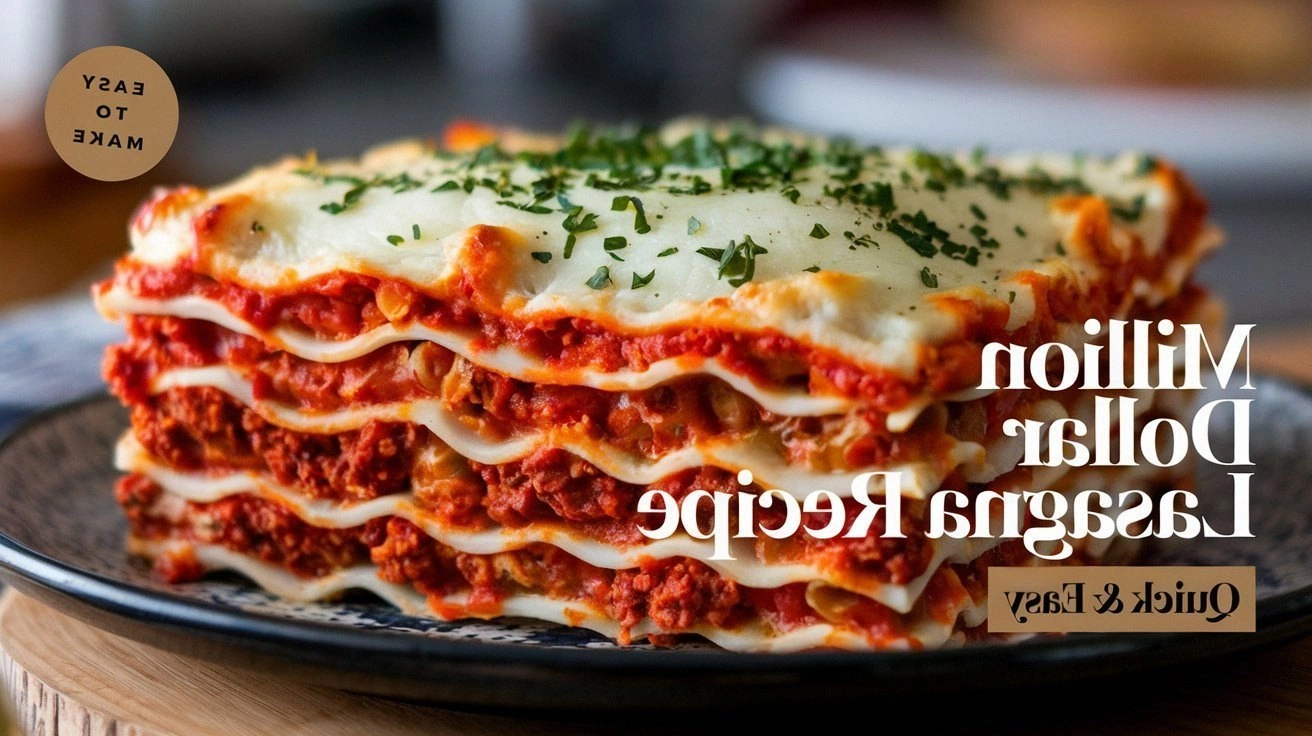
This version stands out because it balances indulgence with precision. It uses a blend of ground beef and Italian sausage to create a complex meaty base that is both hearty and nuanced. The ricotta mixture is lightly beaten with an egg, giving it a velvety texture that coats each noodle like silk. The sauce is simmered with red wine and fresh herbs, adding depth without overpowering. A thin layer of mozzarella on top creates a golden crust that cracks with a satisfying crunch. The result is a lasagna that feels luxurious but is surprisingly approachable.
I dare you to taste this and not go back for seconds because the flavors are so cohesive, each bite is a revelation. The secret twist? A splash of red wine in the sauce that adds subtle acidity and richness. I’ll be honest — I ate half the batch before anyone else got to try it. Most recipes get this completely wrong by overcooking the noodles or using too much cheese. Picture yourself pulling this out of the oven, the whole kitchen smelling incredible, and the steam curling like a savory cloud. Let me walk you through every single step — by the end, you’ll wonder how you ever made it any other way.
What Makes This Version Stand Out
- Flavor: A layered sauce that marries tomato, red wine, and herbs, delivering a depth that feels restaurant‑grade.
- Texture: The ricotta‑egg blend creates a silky coating that hugs each noodle, while the mozzarella layer turns into a golden, slightly crisp crown.
- Simplicity: No fancy equipment needed—just a skillet, a pot, and a baking dish.
- Ingredient Quality: Fresh ground beef, Italian sausage, and real Parmesan make the difference between ordinary and extraordinary.
- Make‑ahead Potential: Assemble the lasagna a day early; refrigerate, then bake—perfect for busy evenings.
- Crowd Reaction: Guests leave asking for the recipe and begging for leftovers.
- Uniqueness: The subtle splash of red wine in the sauce is a game‑changer that most home cooks overlook.
- Scalability: Whether you’re cooking for two or twenty, the ratios stay spot on.
Alright, let's break down exactly what goes into this masterpiece...
Inside the Ingredient List
The Flavor Base
Ground beef and Italian sausage form the backbone of this lasagna. The beef provides a hearty, meaty foundation, while the sausage adds a subtle smokiness that elevates the overall flavor profile. If you skip the sausage, the dish becomes flatter and misses that savory punch. For a leaner option, swap the beef for ground turkey, but keep the sausage for that signature depth.
The Texture Crew
Ricotta, mozzarella, and Parmesan work together to create a multi‑layered texture that feels both comforting and indulgent. The ricotta is lightly beaten with an egg to give it a silky coat that clings to each noodle. Mozzarella melts into a golden crust that cracks when you cut into it, while Parmesan adds a salty, nutty finish. If you prefer a dairy‑free version, substitute coconut milk ricotta and a vegan mozzarella.
The Unexpected Star
A splash of red wine in the tomato sauce is the secret ingredient that sets this recipe apart. It introduces a subtle acidity that balances the richness of the cheeses and meats. The wine also adds a layer of complexity, making each bite feel more sophisticated. If you’re not a wine drinker, a pinch of balsamic vinegar can provide a similar depth.
The Final Flourish
Fresh herbs—basil, oregano, and a touch of red pepper flakes—bring brightness and a hint of heat to the sauce. They help cut through the richness and keep the dish from feeling too heavy. A pinch of salt and pepper is essential, but remember that Parmesan is salty, so taste before adding extra. For an extra touch, drizzle a little olive oil over the top before baking to enhance the golden finish.
Everything's prepped? Good. Let's get into the real action...
The Method — Step by Step
- Preheat your oven to 375°F (190°C). While the oven warms, bring a large pot of salted water to a rolling boil for the pasta sheets. The water should bubble vigorously, like a small ocean. Once boiling, add the lasagna sheets and cook for 7 minutes, or until al dente. Drain, rinse with cold water, and set aside on a clean towel.
- In a large skillet, heat 2 tablespoons of olive oil over medium heat. Add the diced onion and sauté until translucent, about 3 minutes. The onions should soften and start to caramelize, releasing their natural sweetness. Stir in 3 cloves of minced garlic, cooking for an additional minute until fragrant.
- Add the ground beef and Italian sausage to the skillet, breaking it apart with a spoon. Cook until browned and no longer pink, about 8 minutes. The meat should sizzle and brown evenly, creating a rich base for the sauce.
- Pour in 2 cups of tomato sauce and 1/4 cup of red wine. Stir in 1 teaspoon each of dried basil and oregano, and 1/2 teaspoon of red pepper flakes. Reduce heat to low and let the mixture simmer for 15 minutes, allowing the flavors to meld. The sauce should thicken slightly and develop a rich aroma.
- In a medium bowl, combine 1 cup of ricotta, 1 cup of shredded mozzarella, 1/2 cup grated Parmesan, and 1 egg. Beat until smooth. The mixture should be creamy and slightly loose, ready to coat the noodles.
- Spread a thin layer of the meat sauce at the bottom of a 9x13-inch baking dish. Lay 4 lasagna sheets over the sauce, overlapping slightly. Spoon half of the ricotta mixture over the sheets, then drizzle a third of the remaining sauce on top. Repeat the layering: sauce, sheets, ricotta, sauce. Finish with the last layer of sheets and the remaining sauce. Sprinkle the remaining mozzarella and Parmesan on top.
- Cover the dish tightly with aluminum foil, ensuring the foil doesn’t touch the cheese. Bake in the preheated oven for 30 minutes. After 30 minutes, remove the foil and bake for an additional 10 minutes, or until the top is bubbling and golden brown. The cheese should form a crisp, slightly crackling crust.
- Remove the lasagna from the oven and let it rest for 10 minutes before cutting. This resting period allows the layers to set, making slicing clean and preventing a mushy mess. While it rests, you can prepare a simple side salad or a glass of red wine to complement the flavors.
- Serve hot, spooning generous portions onto plates. The aroma alone will have guests lining up for seconds. Pair with crusty bread and a light vinaigrette for a complete meal.
That's it — you did it. But hold on, I've got a few more tricks that'll take this to another level...
Insider Tricks for Flawless Results
The Temperature Rule Nobody Follows
Many cooks bake lasagna at a high temperature, which can dry out the top. I always keep the oven at 375°F; it cooks the layers evenly without over‑browning the cheese. The gentle heat also allows the flavors to meld over time, creating a more harmonious dish. If you prefer a crispier crust, finish the last 5 minutes at 425°F.
Why Your Nose Knows Best
Trust your nose when the sauce starts to thicken and the meat begins to brown. A sweet, caramelized aroma means the flavors are developing. If the smell turns sharp, lower the heat or add a splash of water. My friend once over‑cooked the sauce and it smelled like burnt sugar, which ruined the dish.
The 5-Minute Rest That Changes Everything
Letting the lasagna rest for 10 minutes is crucial. It lets the cheese set, preventing a gooey mess when you cut. The rest also allows the flavors to settle, making each bite more balanced. Skip the rest and you’ll end up with a soggy center that tastes like a mistake.
Use Fresh Herbs for a Burst of Color
Adding fresh basil or parsley just before serving brightens the dish and adds a pop of green. The herbs also bring a fresh, peppery note that cuts through the richness. I love sprinkling chopped parsley over the top; it looks elegant and tastes great.
Keep the Sauce from Drying Out
If you notice the sauce thinning as it bakes, lightly drizzle a little water or broth over the top. The steam will keep the sauce moist and prevent it from forming a hard crust. I’ve found that this simple step keeps the lasagna moist even on hot summer days.
Serve with a Simple Side
A green salad with a light vinaigrette balances the richness of the lasagna. The acidity cuts through the cheese, while the crunch adds texture. Alternatively, a slice of crusty Italian bread with olive oil for dipping works wonders.
Creative Twists and Variations
This recipe is a playground. Here are some of my favorite ways to switch things up:
Mediterranean Spin
Swap the Italian sausage for ground lamb and add chopped olives and sun‑dried tomatoes to the sauce. The lamb’s gaminess pairs beautifully with the olives, creating a Mediterranean vibe. Finish with crumbled feta for a briny contrast.
Spicy Mexican Lasagna
Replace the tomato sauce with a salsa verde and add black beans, corn, and a handful of chopped jalapeños. Use a blend of cheddar and Monterey Jack instead of mozzarella. The result is a fiery, cheesy casserole that feels like a taco bake.
Vegan Comfort
Use a plant‑based ground “meat” and swap dairy cheeses for vegan mozzarella and Parmesan. Replace the egg in the ricotta mixture with silken tofu, whisked until smooth. The texture remains creamy, and the flavors stay hearty.
Seafood Surprise
Add a mix of shrimp, scallops, and crab meat to the meat sauce. The seafood brings a delicate sweetness that contrasts with the robust tomato base. Finish with a sprinkle of fresh dill for a nautical twist.
Breakfast Lasagna
Layer scrambled eggs, diced bacon, and shredded cheddar between sheets. Use a light white sauce instead of tomato. Serve with a side of fresh fruit for a brunch‑ready dish.
Low‑Carb Edition
Replace lasagna sheets with thin slices of zucchini or eggplant. Keep the sauce and cheeses the same. The result is a flavorful, keto‑friendly casserole that still feels indulgent.
Storing and Bringing It Back to Life
Fridge Storage
Store leftovers in an airtight container for up to 4 days in the refrigerator. Cover the top with a sheet of parchment paper to keep the cheese from drying out. When ready to eat, reheat in a preheated oven at 350°F for 20 minutes, or until heated through.
Freezer Friendly
Wrap the assembled lasagna tightly in plastic wrap, then place in a freezer‑safe bag. It can stay in the freezer for up to 3 months. Thaw overnight in the refrigerator before reheating. The texture remains as good as when it was freshly baked.
Best Reheating Method
Reheat in a covered skillet on low heat, adding a splash of water or broth to keep the sauce moist. The skillet method preserves the crispness of the crust while warming the interior evenly. If you’re in a rush, microwave on medium power for 3-4 minutes, then finish under the broiler for 2 minutes to restore the golden top.