Picture this: I’m standing in my cramped kitchen, the last of the week’s groceries piled on the counter, and my phone buzzes with a text from my friend: “Dude, you’ve got to try this new Korean‑fusion dish. I swear it’s the best.” I’d been chasing that elusive umami punch for months, flipping through cookbooks, scrolling endless recipe blogs, and even experimenting with a handful of Korean sauces that never seemed to hit the mark. The moment my phone buzzed, I was already halfway through my own kitchen disaster—an over‑cooked pork belly that had turned into a chewy, flavor‑dead slab. That night, I decided to put my culinary curiosity to the test and create a dish that would make even my most skeptical friend say, “I dare you to taste this and not go back for seconds.”
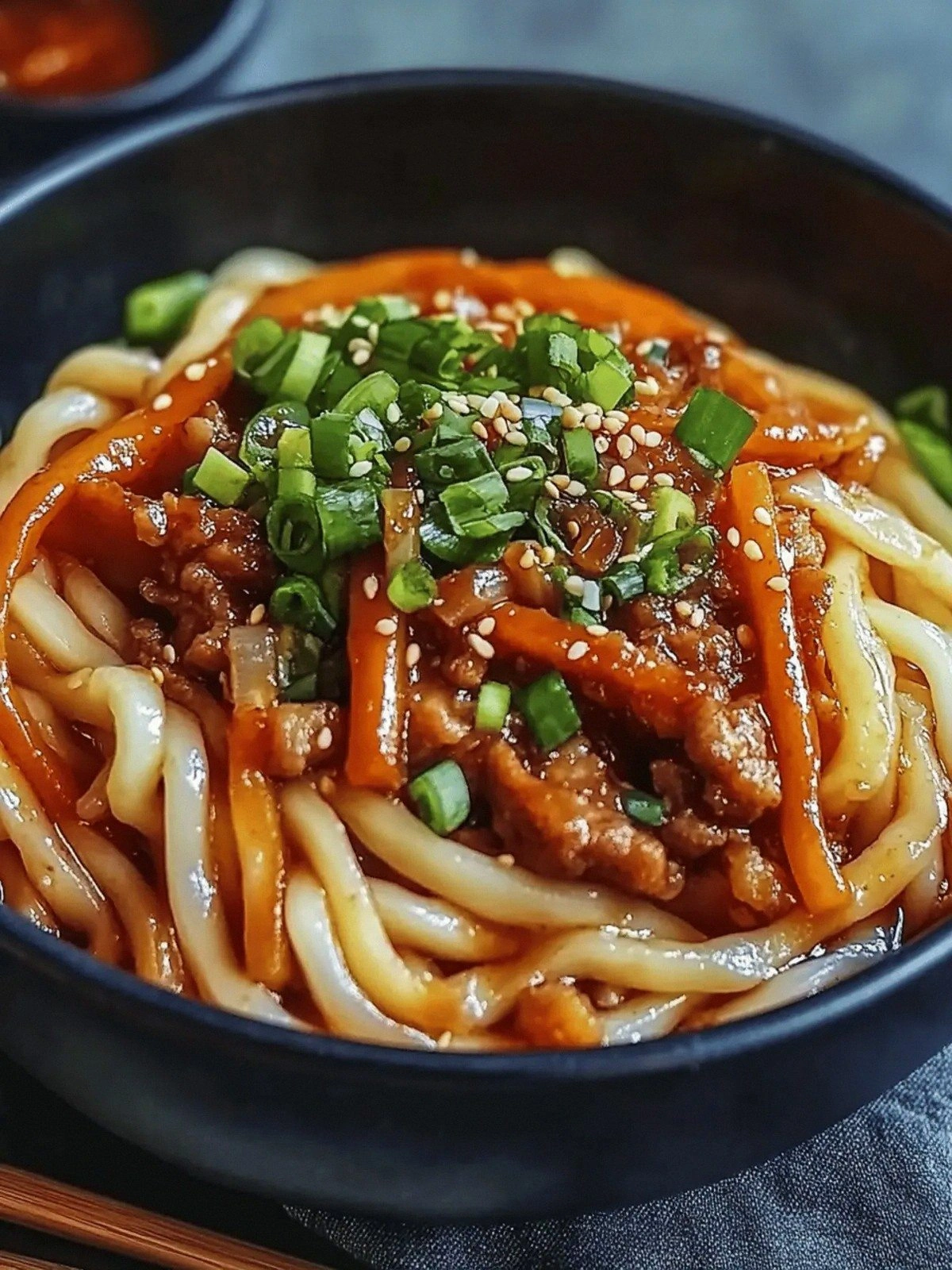
The first bite was a revelation. The pork was tender enough to melt in your mouth, the sauce clung to the udon like velvet, and the apple’s subtle sweetness cut through the heat like a fresh breeze. The aroma—sweet, smoky, with a whisper of citrus—filled the kitchen, making the air feel like a warm hug. My taste buds went on a roller coaster: the initial hit of gochujang’s fiery depth, the mellow sweetness of honey, the umami richness of soy sauce, and the bright zing of grated ginger. The texture was a harmonious blend: chewy noodles, crisp‑tender pork, and vegetables that still held a satisfying bite.
What sets this version apart from the countless “bulgogi” recipes that flood the internet is the meticulous balance of flavors and textures. I replaced the usual thin pork slices with pork shoulder, which gives a richer, fattier bite that absorbs the sauce like a sponge. The addition of grated apple introduces a natural fruitiness that counteracts the heat, and the sesame oil adds a nutty finish that lingers on the palate. I also used a precise blend of gochujang and gochugaru, creating a sauce that’s both spicy and complex without being overpowering. The result? A dish that feels like a comforting hug on a plate, and I’m telling you, this is hands down the best version you’ll ever make at home.
Now, let’s walk through every single step together. By the end, you’ll wonder how you ever cooked this dish any other way. I’ll share the secrets that made my first attempt a triumph, the micro‑challenges that will test your palate, and the little hacks that save time and elevate flavor. Ready? Let’s dive in.
What Makes This Version Stand Out
- Flavor Depth: The dual use of gochujang and gochugaru creates a layered heat that dances on the tongue, while honey and sugar provide a counterbalance that prevents the dish from becoming one‑dimensional.
- Texture Harmony: Pork shoulder delivers a melt‑in‑your‑mouth juiciness, whereas the udon noodles offer a chewy, comforting bite that feels like a hug.
- Ingredient Simplicity: Despite its complex taste, the recipe uses only twelve ingredients—no pantry mystery items or obscure spices.
- Make‑Ahead Friendly: The sauce can be prepared up to two days in advance, allowing flavors to deepen while you’re juggling a busy schedule.
- Crowd‑Pleaser Factor: The combination of sweet, savory, and spicy notes makes this dish a hit at family dinners, potlucks, or a cozy night in.
- Quality Focus: Using fresh, high‑quality pork and real apple gives the dish a premium feel that elevates any meal.
- Versatility: The base can be swapped for tofu, shrimp, or even kimchi for a vegetarian or seafood twist.
- Visual Appeal: The glossy sauce, caramelized edges, and vibrant vegetables create a dish that looks as good as it tastes.
Alright, let’s break down exactly what goes into this masterpiece...
Inside the Ingredient List
The Flavor Base
At the heart of this dish is the sauce—a marriage of Korean and Japanese influences. Gochujang, the Korean fermented chili paste, brings a sweet heat that’s both smoky and umami. Gochugaru, the Korean chili flakes, adds a dry, peppery kick that doesn’t overpower. Soy sauce gives the sauce a salty backbone, while mirin (rice wine) introduces a subtle sweetness and a hint of acidity that brightens the overall flavor profile. Together, these ingredients form a sauce that coats the noodles like velvet and turns the pork into a succulent, flavor‑rich protein.
The Texture Crew
The pork shoulder is the star of the texture lineup. It’s fatty and tender, which means it stays juicy even after searing. Udon noodles, known for their chewy, slightly gummy consistency, provide a comforting base that absorbs the sauce beautifully. Vegetables—onions, carrots, and bell peppers—add crunch and color. Grated apple is a subtle twist that brings a natural fruitiness, balancing the heat and adding a layer of freshness.
The Unexpected Star
Sesame oil isn’t just a garnish; it’s a flavor enhancer that adds a nutty aroma and a silky mouthfeel. When heated, it releases oils that coat the pork and noodles, preventing dryness. Sesame seeds finish the dish with a light crunch that contrasts the chewy noodles and tender pork, creating a satisfying bite.
The Final Flourish
Honey and sugar are the sweeteners that bring harmony to the dish. Honey, with its floral undertones, complements the heat of the gochujang, while sugar ensures the sauce caramelizes just enough for a glossy finish. Together, they create a sauce that’s both sweet and spicy, with a depth that lingers long after the last bite.
Everything's prepped? Good. Let’s get into the real action...
The Method — Step by Step
- First, combine the gochujang, gochugaru, soy sauce, mirin, honey, sugar, sesame oil, minced garlic, grated ginger, and grated apple in a bowl. Whisk until the mixture is smooth and glossy. This is where the magic starts—think of the sauce as a canvas ready to be painted with flavor. Keep this sauce aside; it will coat every ingredient and bind the dish together.
- Slice the pork shoulder into thin, bite‑sized pieces. I recommend using a sharp knife and cutting against the grain to ensure tenderness. Toss the pork in the sauce, making sure each piece is fully coated. Cover the bowl and let it marinate for at least 30 minutes—ideally 1 hour—so the pork soaks up all that umami goodness.
- While the pork is marinating, bring a pot of salted water to a rolling boil and cook the udon noodles according to the package instructions (usually 4–5 minutes). Drain the noodles and rinse them under cold water to stop the cooking process. Toss the noodles with a tablespoon of sesame oil to keep them from sticking and to add a subtle nutty flavor.
- Heat a large skillet or wok over medium‑high heat and add a splash of vegetable oil. Once the oil shimmers, add the marinated pork. Sear the pork until it’s browned on all sides and caramelized at the edges—this should take about 3–4 minutes. The sear locks in moisture and creates a slightly crispy exterior that contrasts beautifully with the tender interior.
- Add the sliced onions, carrots, and bell peppers to the pan. Stir‑fry for 2–3 minutes, or until the vegetables are just tender but still retain a vibrant color. The quick sauté preserves the crunch and brightens the dish’s visual appeal.
- Pour the remaining sauce into the pan, stirring to coat the pork and vegetables. Let the mixture simmer for 2–3 minutes until the sauce thickens and coats the ingredients like a glossy coat of paint. The aroma at this point is irresistible—sweet, spicy, and savory all at once.
- Add the cooked udon noodles to the skillet, tossing everything together until the noodles are evenly coated with sauce. The noodles should absorb the sauce but still retain their chewiness. Cook for an additional 1–2 minutes, just enough to heat everything through.
- Sprinkle sesame seeds over the top for a final crunch and nutty aroma. Serve immediately, and watch as the steam rises, carrying the intoxicating scent of Korean BBQ and fresh veggies.
That’s it—you did it. But hold on, I’ve got a few more tricks that will take this to another level, turning a great dish into a culinary masterpiece.
Insider Tricks for Flawless Results
The Temperature Rule Nobody Follows
Many cooks lower the heat after searing, which can cause the sauce to simmer too slowly, losing its glossy sheen. Keep the heat on medium‑high until the pork is fully cooked, then reduce to medium to finish the sauce. This keeps the noodles from becoming mushy and preserves the caramelized edges of the pork.
Why Your Nose Knows Best
Before adding the final splash of sauce, pause and sniff the pan. A faint sweet aroma indicates the caramelization is just right. If the scent leans too much toward burnt, lower the heat immediately. Your nose is a reliable indicator of doneness—trust it.
The 5‑Minute Rest That Changes Everything
After removing the pan from heat, let the dish rest for 5 minutes. The residual heat continues to cook the pork, and the sauce thickens, creating a richer mouthfeel. I once skipped this step and the noodles were soggy; the rest time saved the day.
Use a Wok for Even Heat Distribution
A wok’s curved shape ensures even heat distribution, preventing hot spots that can scorch the sauce. If you don’t have a wok, a wide skillet works, but be sure to stir frequently to avoid sticking.
Finish with a Splash of Citrus
Just before serving, squeeze a few drops of fresh lime or yuzu juice. The acidity brightens the dish and cuts through the richness, leaving a clean finish.
Creative Twists and Variations
This recipe is a playground. Here are some of my favorite ways to switch things up:
Shredded Beef Bulgogi Udon
Swap pork shoulder for thinly sliced ribeye or flank steak. The beef’s richer flavor pairs wonderfully with the sweet‑spicy sauce, creating a hearty, protein‑packed meal.
Vegan Kimchi Udon
Replace the pork with tofu or tempeh, and add a generous handful of kimchi for an extra kick of fermented tang. The tofu absorbs the sauce beautifully, and the kimchi adds depth and a fermented crunch.
Seafood Surprise
Use shrimp or scallops instead of pork for a lighter, oceanic version. The seafood cooks quickly, so add it at the end to keep it tender.
Crunchy Tofu and Broccoli
Add broccoli florets and crispy fried tofu cubes for an extra layer of texture. The broccoli’s bright green color and tofu’s crunch provide a satisfying contrast.
Spicy Apple Slaw Side
Serve the udon with a side slaw made from shredded cabbage, apple, and a drizzle of gochujang vinaigrette. It’s a refreshing counterpoint to the rich main dish.
Gochujang Glazed Chicken
If you’re craving poultry, marinate chicken thighs in the same sauce and grill them to perfection. The chicken’s mild flavor allows the sauce to shine.
Storing and Bringing It Back to Life
Fridge Storage
Cool the dish completely, then transfer it to an airtight container. Store in the refrigerator for up to 3 days. The flavors will deepen, giving the dish a richer taste.
Freezer Friendly
For longer storage, freeze the dish in freezer‑safe containers for up to 2 months. Thaw overnight in the refrigerator before reheating.
Best Reheating Method
Reheat on the stovetop over medium heat, adding a splash of water or broth to prevent the sauce from drying out. Stir frequently until hot, and finish with a sprinkle of sesame seeds for freshness.