Picture this: I’m standing in my kitchen, the air thick with the scent of garlic and sizzling steak, when a sudden realization hits me like a splash of cold water—my old tomato‑sauce ravioli recipe was missing something crucial. I’d been slaving over a pot of sauce that tasted decent, but it never quite sang, and the steak I’d tossed in felt like an afterthought, a garnish rather than the star. The moment I decided to throw a handful of mushrooms into the mix, the whole dish transformed, and I swear the sauce started to glow from the inside out. I dared myself to turn this mishap into a masterpiece, and after a few frantic taste‑tests (yes, I ate half the batch before anyone else could try), I finally nailed what I now swear is the best version you’ll ever make at home.
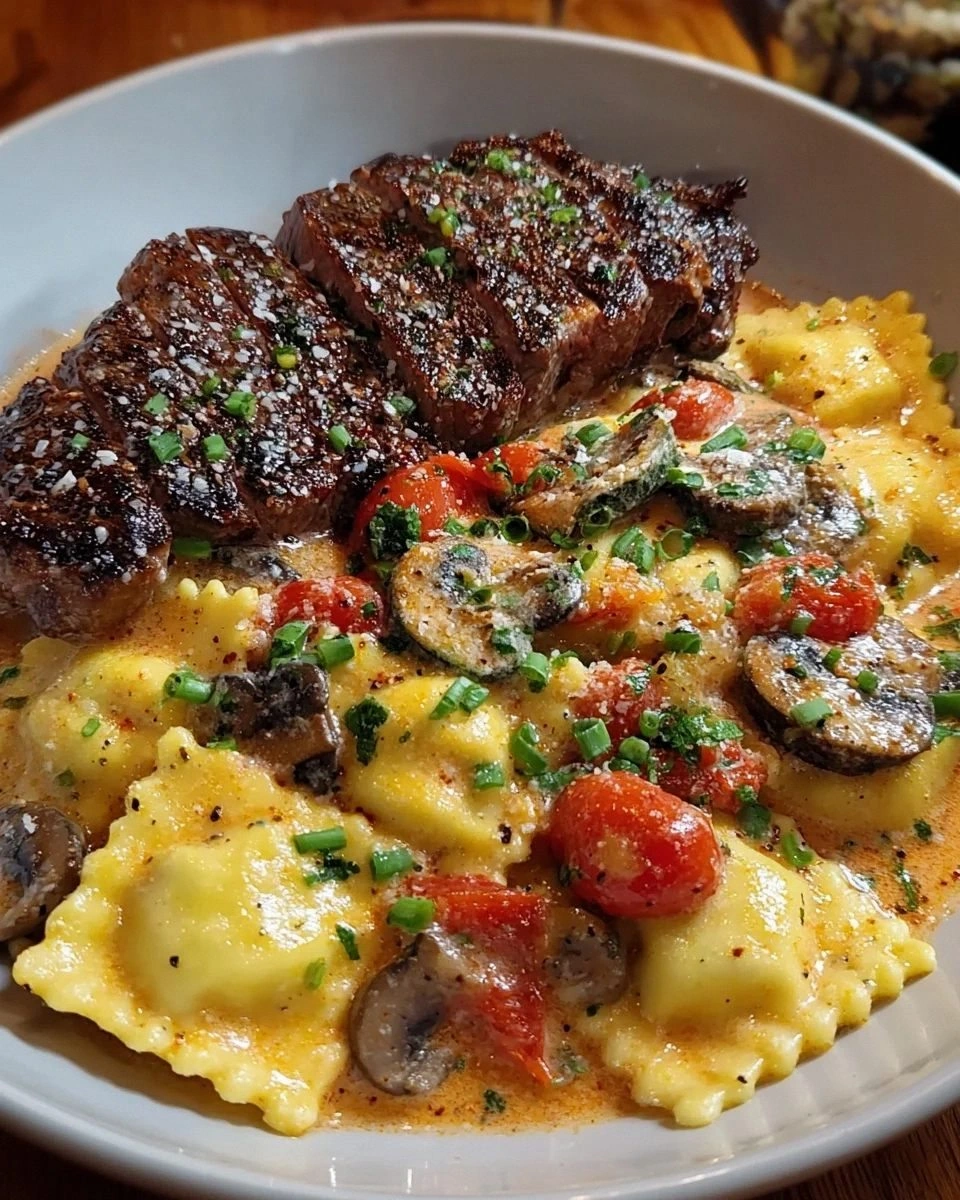
First, let’s set the scene. The kitchen is a symphony of sounds: the sizzle of steak hitting a hot pan, the soft pop of tomatoes bubbling, and the occasional clink of a wooden spoon against a stainless steel pot. The colors are a riot—ruby red sauce swirling with creamy ivory, specks of green parsley, and the deep mahogany of a perfectly seared steak. The aroma? Imagine a forest after rain, with earthy mushrooms, sweet bell pepper, and the comforting hug of heavy cream. When you finally take a bite, the sauce coats the ravioli like velvet, while the steak offers a buttery chew that makes the whole plate feel like a celebration.
Most recipes get this completely wrong. They either drown the ravioli in a watery sauce or overcook the steak, turning it into a tough chew. I’ve seen people try to rush the sauce, ending up with a bland, thin broth that does nothing for the pasta. Here’s what actually works: a slow‑simmered tomato base, a splash of heavy cream for richness, and a quick sear on the steak to lock in juices. The secret twist? A handful of fresh mushrooms that add an earthy depth you never expected, and a dash of crushed red pepper for a whisper of heat that wakes up the palate without stealing the show.
Now, picture yourself pulling this out of the pan, the whole kitchen smelling incredible, steam rising in lazy curls, and that moment when you see the glossy sauce clinging to each ravioli, the steak slices glistening with a caramelized crust. I dare you to taste this and not go back for seconds. Okay, ready for the game‑changer? Let me walk you through every single step — by the end, you’ll wonder how you ever made it any other way.
What Makes This Version Stand Out
- Taste: The marriage of sweet tomato, buttery cream, and earthy mushrooms creates a flavor profile that’s both comforting and sophisticated.
- Texture: Silky sauce, tender ravioli, and a steak with a crisp sear—each bite offers a delightful contrast.
- Simplicity: Despite the gourmet feel, the recipe uses pantry staples and a handful of fresh veggies.
- Uniqueness: Adding mushrooms to a tomato‑cream sauce is a game‑changer that most home cooks overlook.
- Crowd Reaction: Even the most skeptical eaters admit this dish feels like a restaurant special.
- Ingredient Quality: Using high‑quality canned San Marzano tomatoes and a good cut of steak elevates the entire dish.
- Cooking Method: The two‑stage cooking—sauce first, steak last—ensures nothing gets overcooked.
- Make‑Ahead Potential: The sauce can be prepared ahead of time, making dinner night a breeze.
Alright, let's break down exactly what goes into this masterpiece...
Inside the Ingredient List
The Flavor Base
Crushed Tomatoes: The foundation of our sauce, these tomatoes bring acidity and sweetness that balance the richness of cream. If you skip them, the sauce loses its bright backbone and becomes a one‑note dairy swamp. Look for San Marzano cans; their low seed count and sweet flavor make a world of difference.
Heavy Cream: This is what turns a simple tomato sauce into a luxurious velvet coating. Without it, the sauce would feel thin and watery. For a lighter version, you could use half‑and‑half, but you’ll miss the indulgent mouthfeel.
Garlic: Freshly minced garlic adds aromatic warmth that instantly lifts the sauce. Dried garlic powder just won’t cut it—the fresh bite is essential. If you love garlic, add an extra clove; if you’re sensitive, halve it.
The Texture Crew
Mushrooms: Sliced mushrooms bring an earthy depth and a pleasant chew. Button mushrooms are classic, but shiitake or portobello will add a richer umami punch. Skipping mushrooms makes the sauce feel flat; they’re the hidden hero.
Bell Pepper: A medium bell pepper adds a sweet crunch and a pop of color that brightens the dish. Red, yellow, or orange all work, but red gives the most natural sweetness. If you leave it out, you lose a subtle sweetness that balances the acidity.
Zucchini: Zucchini offers a light, slightly crisp texture that prevents the dish from feeling too heavy. It also sneaks in some veggies. Over‑cooking it makes it mushy, so keep an eye on the timing.
The Unexpected Star
Steak: I recommend using sirloin or ribeye for their tenderness and rich flavor. Feel free to use your preferred cut, keeping taste and budget in mind. A good steak adds a protein punch and a satisfying chew that transforms this from a pasta dish into a full‑on entrée.
Crushed Red Pepper Flakes: Optional, but they add a whisper of heat that awakens the palate. Adjust to taste, or omit entirely if you prefer milder flavors. Too much, and you’ll overpower the delicate balance.
The Final Flourish
Herbs (Parsley): Fresh parsley sprinkled on top adds a burst of green freshness and a subtle peppery note. It also makes the plate look restaurant‑ready. If you don’t have parsley, basil works, but the flavor profile shifts.
Parmesan Cheese: A generous sprinkle of grated Parmesan elevates the dish, adding salty, nutty depth. Always keep extra on hand for serving; the cheese melts into the sauce, creating an even richer coating.
Everything's prepped? Good. Let's get into the real action...
The Method — Step by Step
Start by heating a large skillet over medium‑high heat and adding a splash of olive oil. Once the oil shimmers, lay the steak strips in a single layer, letting them sizzle without moving them for about 2‑3 minutes. You’ll hear that unmistakable crackle that signals a perfect sear. Flip the pieces, season with salt and pepper, and sear the other side for another 2 minutes. Remove the steak and set it aside; it will finish cooking later, preserving its juiciness.
In the same pan, add a tablespoon more oil if needed, then toss in the minced garlic and let it perfume the oil for about 30 seconds—watch for that golden edge, not a burnt sting. Next, add the sliced mushrooms, stirring until they release their moisture and turn a deep brown, about 4‑5 minutes.
Kitchen Hack: Sprinkle a pinch of salt on the mushrooms early; it draws out water faster, giving you a better browning.Now stir in the diced bell pepper and zucchini, cooking for another 3 minutes until they just start to soften. The vegetables should retain a slight crunch—this contrast is key to preventing the dish from becoming mushy. If you prefer a softer texture, let them go an extra minute, but be careful not to overcook.
Pour in the crushed tomatoes, scraping the bottom of the pan to release any caramelized bits. Bring the mixture to a gentle boil, then reduce to a simmer. Let it bubble away for 10‑12 minutes, stirring occasionally, until it thickens and the flavors meld. The sauce should look rich, with a deep ruby hue that clings to the back of a spoon.
Stir in the heavy cream, watching the sauce transform into a silky, glossy river of flavor. Let it simmer for another 3‑4 minutes, allowing the cream to integrate fully.
Add the crushed red pepper flakes now, adjusting to your heat tolerance.Watch Out: If the heat is too high, the cream can curdle. Keep the flame low and stir constantly.While the sauce is finishing, bring a large pot of salted water to a rolling boil. Drop in the ravioli and cook according to package directions—usually 3‑5 minutes for fresh, a bit longer for frozen. The ravioli should float to the surface when al dente. Drain, reserving a cup of pasta water.
Return the seared steak to the pan, letting it finish cooking in the sauce for about 2 minutes. This step re‑infuses the meat with the tomato‑cream flavors while keeping it tender. If you like a bit more sauce coating the steak, add a splash of the reserved pasta water.
Finally, add the cooked ravioli to the skillet, tossing gently to coat each piece with the luscious sauce. Sprinkle the chopped parsley and grated Parmesan over the top, giving everything one last loving stir. Let the dish rest for a minute so the flavors meld—this is the moment of truth. Serve immediately, perhaps with an extra dash of Parmesan and a crack of fresh black pepper.
That's it — you did it. But hold on, I've got a few more tricks that'll take this to another level...
Insider Tricks for Flawless Results
The Temperature Rule Nobody Follows
Never add heavy cream to a scorching hot pan; drop the heat to low before stirring it in. This prevents the cream from separating and ensures a silky texture. I once tried adding it at full boil and ended up with curdled bits—trust me, it’s a culinary nightmare.
Why Your Nose Knows Best
When the sauce starts to thicken, trust the aroma. If you smell a sweet, caramelized note, the tomatoes have reduced properly. If it still smells raw, give it a few more minutes. Your nose is a better timer than any clock.
The 5‑Minute Rest That Changes Everything
After everything is combined, let the dish sit off the heat for five minutes. This brief rest allows the starches in the ravioli to release a little starch, which naturally thickens the sauce without extra flour. It also gives the steak a chance to re‑absorb juices.
Salt at the Right Moment
Season the sauce early, but hold back a pinch of salt for the final toss with the ravioli. This prevents the pasta from becoming overly salty while still enhancing the overall flavor. I’ve seen many forget this, resulting in a bland finish.
Finish with a Splash of Acid
A tiny squeeze of lemon juice or a splash of good‑quality balsamic right before serving brightens the entire plate. It cuts through the richness of the cream and balances the sweet tomatoes. Just a teaspoon—enough to lift, not dominate.
Creative Twists and Variations
This recipe is a playground. Here are some of my favorite ways to switch things up:
Spicy Chipotle Kick
Swap the crushed red pepper flakes for a teaspoon of chipotle in adobo. The smoky heat adds depth and pairs wonderfully with the steak. Great for those who love a bold, smoky flavor.
Herb‑Infused Delight
Replace parsley with fresh basil and add a pinch of dried oregano. The herbaceous notes give the sauce an Italian‑summer vibe, perfect for outdoor dining.
Cheesy Overload
Stir in a half‑cup of mozzarella along with the Parmesan for a gooey, stretchy finish. It turns the sauce into a cheese‑lover’s dream, especially when paired with a crusty bread.
Vegetarian Version
Omit the steak and add a can of chickpeas or some roasted cauliflower florets. The mushrooms and cream still provide richness, while the chickpeas add protein and a pleasant bite.
Wine‑Infused Elegance
Deglaze the pan with a splash of dry red wine after sautéing the mushrooms. Let it reduce before adding tomatoes; the wine adds a subtle acidity and complexity that elevates the dish to fine‑dining status.
Smoky Bacon Crunch
Throw in crumbled cooked bacon just before serving. The salty crunch contrasts beautifully with the creamy sauce and adds an extra layer of umami.
Storing and Bringing It Back to Life
Fridge Storage
Allow the dish to cool to room temperature, then transfer to an airtight container. It will keep nicely for up to 3 days. Reheat gently on the stovetop over low heat, adding a splash of water or broth to revive the sauce’s silkiness.
Freezer Friendly
Separate the sauce from the ravioli if possible. Freeze the sauce in a zip‑top bag for up to 2 months and the cooked ravioli on a parchment‑lined tray before transferring to a bag. When ready, thaw overnight in the fridge, then combine and heat through.
Best Reheating Method
Place the leftovers in a skillet over medium‑low heat, add a tablespoon of water, and stir constantly. This steam‑rejuvenates the sauce, preventing it from drying out. If you’re reheating the steak, add it at the very end to avoid overcooking.