Last summer, I tried to impress my nephew with a homemade ice cream cake for his birthday. What happened next was a kitchen disaster that would make Gordon Ramsay weep into his apron. The cake melted into a puddle before we could sing "Happy Birthday," the chocolate shell cracked like a fault line, and I ended up serving what looked like a sad sundae in a bowl. But here's the twist — that failure led me to create something even better. After three months of obsessive testing, dozens of melted prototypes, and one memorable incident involving my freezer door stuck shut with a spoon inside, I finally cracked the code. This Drumstick Ice Cream Cake isn't just another dessert; it's the frozen holy grail that combines everything you love about the classic cone into a sliceable, shareable, absolutely irresistible showstopper.
Picture this: a buttery vanilla wafer crust that tastes like the best part of cheesecake, studded with crunchy walnuts and bound together with peanut butter magic. Then comes the creamy layer — not just plain ice cream, but a cloud-like filling that melts on your tongue like snowflakes made of dreams. We're talking about the kind of dessert that makes grown adults close their eyes and sigh when they take the first bite. The chocolate and caramel ribbons aren't just decoration; they're strategic flavor bombs that ensure every forkful tastes exactly like that first lick of a Drumstick cone on a hot day.
What makes this version different? I studied the original Drumstick like it was the Zapruder film. Most recipes get the ratio completely wrong — too much crust and you feel like you're eating frozen gravel, too little and the whole thing collapses into a soupy mess. I tested every possible combination until I found the sweet spot where the crust shatters just right, the ice cream layer stays firm but creamy, and those signature syrups create rivers of flavor that don't turn into icy shards. The secret lies in the temperature dance and a technique I call "the double freeze," which sounds like a wrestling move but trust me, it's pure dessert wizardry.
Stay with me here — this is worth it. By the end of this post, you'll know exactly how to create a frozen dessert that looks like it came from a professional bakery but costs less than buying a pint of premium ice cream. I'll show you why freezing your mixing bowl changes everything, how to get those perfect clean slices (no more wrestling with a knife like you're defending your castle), and the one ingredient swap that makes people think you went to culinary school. Let me walk you through every single step — by the end, you'll wonder how you ever made it any other way.
What Makes This Version Stand Out
Crust Perfection: Most ice cream cakes use a rock-hard crust that could chip teeth. This version creates a cookie base that stays crisp but cuts like butter, thanks to the peanut butter acting as both flavor and edible glue. The vanilla wafers toast slightly while freezing, creating this incredible depth that tastes like caramel and childhood memories had a baby.
Texture Symphony: We're not just layering ingredients here — we're conducting an orchestra of crunch, cream, chew, and silk. The walnuts provide pops of buttery crunch, the crust gives way to the smoothest ice cream filling you've ever tasted, and those syrup ribbons add sticky pockets of joy. Every bite tells a different story while staying true to the Drumstick experience.
Temperature Magic: Here's where most home bakers fail spectacularly. I'll teach you the exact timing for each freeze cycle, including the crucial "soft set" window where you can add those decorative swirls without them sinking to the bottom like chocolate Atlantis. Get this right, and your cake will slice like a dream instead of requiring a chainsaw.
Make-Ahead Champion: This cake actually gets better after a day in the freezer, making it perfect for parties when you'd rather drink wine with guests than stress about dessert. The flavors meld together like old friends catching up, creating something greater than the sum of its already impressive parts.
Crowd Psychology: I've served this to everyone from sugar-crazed toddlers to my dessert-snob grandmother, and the reaction is always the same: eyes widening, followed by complete silence as they enter the dessert zone. It's the kind of recipe that makes people text you months later asking if you'll make it for their birthday too.
Ingredient Integrity: No artificial flavors or stabilizers here — just real cream cheese, actual peanut butter, and quality chocolate syrup. The difference in taste is like comparing a fresh summer peach to those sad canned ones. Once you taste the real deal, you'll never go back to the tub of frozen whatever from the store.
Instagram Gold: Let's be honest — we eat with our eyes first. When you slice into this beauty and reveal those perfect layers with the syrups dripping just right, phones come out faster than a cat video goes viral. The visual payoff is almost as good as the taste, and that's saying something.
Alright, let's break down exactly what goes into this masterpiece...
Inside the Ingredient List
The Flavor Base
Vanilla wafers aren't just cookies — they're tiny flavor sponges that absorb all the good stuff while maintaining their structure. When you crush them and mix with melted butter and peanut butter, something magical happens. The oils in the peanut butter coat each crumb, creating a crust that's both tender and crisp. Skip the walnuts if you must, but you'll miss that classic Drumstick nuttiness that makes the whole thing taste authentic instead of like a generic ice cream cake.
The Texture Crew
Cream cheese is the unsung hero here — it gives the filling body and prevents it from becoming an icy brick. When softened properly (not nuked into a molten mess), it whips up lighter than you'd expect, creating air pockets that keep the texture dreamy. The sugar doesn't just sweeten; it lowers the freezing point, ensuring your cake stays scoopable even straight from the freezer. It's food science working in your favor.
The Unexpected Star
Here's where I lose some people — eggs in ice cream cake? Trust me on this one. The eggs create a custard base that prevents ice crystals from forming, giving you that ultra-smooth texture you thought only professionals could achieve. We're cooking them into a light custard first, so no worries about raw eggs. This step is what separates good ice cream cake from "why did I bother making this" ice cream cake.
The Final Flourish
Those syrups aren't just for show — they're strategic flavor injections. Chocolate syrup adds bitter notes that balance the sweetness, while caramel brings buttery depth that makes the whole thing taste more expensive than it is. The key is warming them slightly so they flow and settle into the layers instead of sitting on top like sad brown puddles.
Everything's prepped? Good. Let's get into the real action...
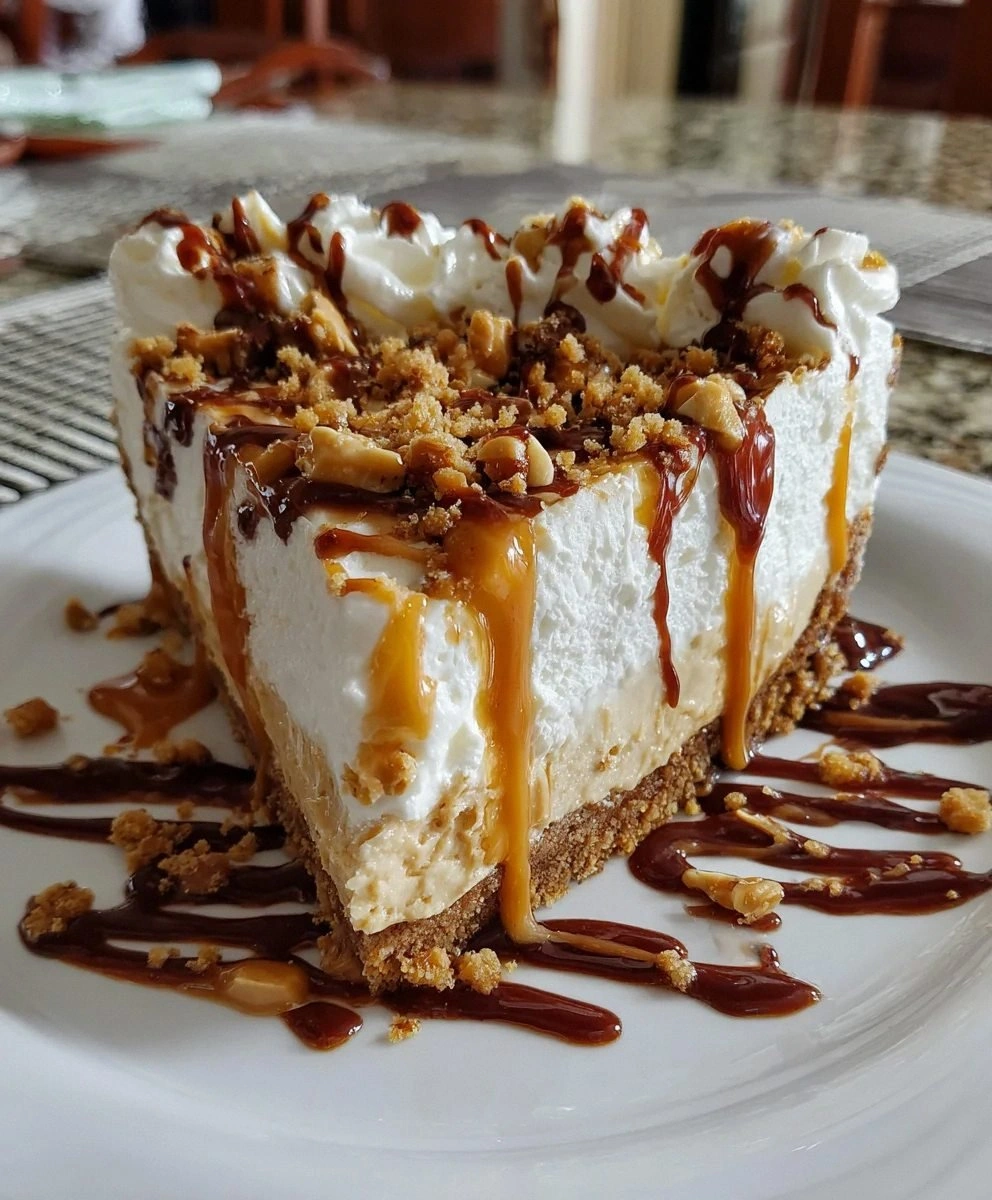
The Method — Step by Step
- Start with your crust base — and here's where precision matters. Crush those vanilla wafers into a mix of sandy particles and pea-sized pieces. Too fine and you lose the crunch, too chunky and your crust won't hold together. The peanut butter should be the regular kind, not the natural stuff that separates into an oily mess. Mix it with the melted butter until it looks like wet sand at the beach, then press it into your pan with the bottom of a measuring cup. Press firmly but don't compact it like you're making concrete — you want air pockets for that perfect shatter when you cut into it later.
- Now for the chocolate and caramel layer — warm both syrups for exactly 15 seconds in the microwave. Not 30, not 10 — 15 seconds makes them fluid without being hot enough to melt your crust. Drizzle them in a criss-cross pattern, then use a toothpick to marble them together. This isn't just pretty; it ensures every bite has both flavors. Pop this into the freezer while you make the filling — that 10-minute chill makes all the difference between a soggy crust and one that stays crisp for days.
- The filling is where most people panic, but stay with me here — this is worth it. Beat your cream cheese until it's lighter than you think possible, about 3 minutes on medium speed. You're not just mixing; you're incorporating air that will keep the texture light. Add the sugar gradually, letting each addition dissolve completely. This prevents graininess that will haunt your dreams. The eggs go in one at a time, and here's the key — they should be at room temperature. Cold eggs make the cream cheese seize up into little lumps that no amount of mixing will fix.
- Here's the game-changer: fold in the whipped topping like you're handling clouds. Use a spatula, not the mixer, and make figure-eight motions. Over-mixing here deflates all that beautiful air you just incorporated, leading to a dense filling that freezes like a hockey puck. When it's ready, the mixture should mound softly when you lift the spatula — if it runs like pancake batter, you've gone too far and need to start over.
- Pour the filling over your frozen crust, then tap the pan on the counter. This releases air bubbles that would otherwise create holes in your finished cake. Use an offset spatula to spread it evenly, pushing rather than pulling to avoid disturbing the syrupy layer beneath. Smooth the top like you're icing a cake — this becomes the canvas for your final decorations.
- The first freeze is crucial — 2 hours at the coldest setting your freezer has. This rapid freeze prevents ice crystals from forming, giving you that professional smooth texture. Don't peek, don't jiggle the pan, don't invite your neighbor over to see. Just let science do its thing while you clean up and maybe reward yourself with the leftover filling on a spoon.
- After the initial freeze, it's time for the fun part. Warm your remaining syrups again — 10 seconds this time since they're going on top of frozen filling. Create whatever pattern makes you happy: concentric circles, random drizzles, or writing someone's name if you're feeling fancy. The syrup will set almost immediately on contact, creating those gorgeous frozen ribbons that look like stained glass.
- Final freeze time — minimum 4 hours, but overnight is better. This is when the magic happens. The flavors meld together, the texture sets perfectly, and you transform from "person who tried to make ice cream cake" to "dessert wizard who clearly sold their soul for baking skills." When you're ready to serve, let it sit at room temperature for exactly 8 minutes. Too short and it's impossible to cut, too long and you lose that perfect firm texture.
That's it — you did it. But hold on, I've got a few more tricks that'll take this to another level...
Insider Tricks for Flawless Results
The Temperature Rule Nobody Follows
Your freezer temperature is either your best friend or your worst enemy in this recipe. Most home freezers sit around 0°F, but for ice cream cake perfection, you want -10°F. Lower temperatures freeze faster, creating smaller ice crystals and a smoother texture. If your freezer has a "quick freeze" or "power freeze" setting, use it. The faster freeze prevents those annoying ice shards that make commercial ice cream cakes feel like eating frozen sand.
Why Your Nose Knows Best
Here's something they don't teach in cooking school — smell your ingredients. Fresh cream cheese should smell slightly tangy but not sour. Your peanut butter should smell roasted and nutty, not rancid. Even your vanilla wafers should smell like vanilla and butter, not cardboard. If anything smells off, replace it. This cake is too much work to risk on questionable ingredients that could turn the whole thing into a disappointment party.
The 5-Minute Rest That Changes Everything
After you add the syrups on top, let the cake sit in the freezer for exactly 5 minutes before covering it. This brief rest lets the syrups set slightly so they won't stick to your plastic wrap. Cover it too soon and you'll pull off half your beautiful decorations when you uncover it. Too long and the syrups become brittle and crack when you cut. Five minutes is the Goldilocks zone that keeps everything looking Instagram-ready.
The Salt Secret
Add a pinch of flaky sea salt to the crust mixture. Not enough to make it salty — just enough to wake up all the other flavors. Salt makes the vanilla taste more vanilla-y, the chocolate more chocolate-y, the caramel more caramel-y. It's like turning up the volume on every ingredient without anyone being able to taste the salt itself. This tiny addition is what separates good desserts from the ones that make people close their eyes and sigh.
The Patience Payoff
I know, I know — you want to eat this thing immediately. But here's the truth: this cake is actually better on day two. The flavors need time to meld and marry, creating something greater than the sum of its parts. Make it the day before you need it, and you'll be rewarded with a dessert that tastes like it came from a professional kitchen. Your future self will thank your past self for the foresight.
Creative Twists and Variations
This recipe is a playground. Here are some of my favorite ways to switch things up:
The Chocolate Lover's Dream
Replace half the vanilla wafers with chocolate wafer cookies, swap the caramel syrup for hot fudge, and add mini chocolate chips to the filling. The result is a triple-threat chocolate experience that would make Willy Wonka jealous. Top with chocolate shavings instead of the syrup ribbons for extra drama.
The Birthday Party Version
Add rainbow sprinkles to the crust mixture and use birthday cake-flavored ice cream instead of vanilla. The colors bleed slightly into the filling, creating a funfetti effect that's pure party in cake form. Kids go absolutely bananas for this version, and honestly, so do most adults who claim they're "too grown-up for sprinkles."
The Salted Caramel Upgrade
Use salted caramel syrup instead of regular, add crushed pretzels to the crust, and sprinkle flaky sea salt on top. The sweet-salty combination is addictive in the best possible way. This version disappears faster than free samples at Costco, so make extra if you're feeding a crowd.
The Peanut Butter Overload
Add peanut butter chips to the filling, use peanut butter-filled cookies for the crust, and swirl peanut butter with the chocolate syrup. This one is not for the faint of heart or those with nut allergies. It's like a peanut butter cup had a baby with ice cream cake, and that baby grew up to be the dessert equivalent of a warm hug.
The Coffee Kick
Add a tablespoon of instant espresso powder to the filling and use coffee ice cream. The bitterness balances the sweetness perfectly, creating a sophisticated version that works beautifully after dinner. Even people who claim they "don't like coffee desserts" find themselves going back for seconds.
The Tropical Escape
Replace walnuts with toasted coconut, use coconut cream instead of some of the whipped topping, and add crushed pineapple (well-drained) to the filling. It's like a tropical vacation in dessert form. The coconut toasting step is crucial — raw coconut tastes like cardboard, but toasted it becomes nutty and aromatic.
Storing and Bringing It Back to Life
Fridge Storage
Once sliced, wrap individual pieces tightly in plastic wrap, then foil. They'll keep for up to a week in the freezer, though honestly, they've never lasted more than three days in my house. The key is getting all the air out — air is the enemy of frozen desserts, causing freezer burn and off-flavors. If you have a vacuum sealer, this is the time to use it. Otherwise, press the plastic wrap directly against the cut surfaces.
Freezer Friendly
The whole cake (or what's left of it) keeps beautifully for up to two weeks if wrapped properly. Use a layer of plastic wrap directly on the surface, then foil over the whole pan. The plastic prevents ice crystals from forming on the surface, while the foil protects against freezer odors. Mark the date on the foil — future you will appreciate not playing "when did I make this" roulette.
Best Reheating Method
Okay, there's no actual reheating here — it's ice cream cake, not lasagna. But the best serving method is to transfer individual slices to the fridge for 15-20 minutes before serving. This takes the edge off the cold without turning it into soup. If you're serving a crowd, cut the whole cake and let the slices sit for 8-10 minutes. They'll soften just enough to taste creamy instead of rock-solid, but not so long that they start weeping and melting all over your beautiful presentation.