I was halfway through a midnight snack raid when the kitchen erupted in a chaotic symphony of sizzling, splattering, and the unmistakable aroma of garlic and onions. My friends had dared me to create a dish that could turn a dull, late‑night craving into a culinary triumph, and I answered with a bold promise: Egg Foo Young, but reimagined for the modern palate.
Picture the moment the first egg cracked, the golden yolk glimmering like a sunrise on a glass pan. The sizzle is a drumroll, the steam a fragrant cloud of caramelized onion and fresh herbs. The texture is a paradox: a crisp exterior that cracks with a satisfying snap, giving way to a tender, fluffy interior that melts in your mouth.
What sets this version apart is a deliberate balance between tradition and innovation. I’ve kept the core of the classic recipe—eggs, vegetables, and savory sauces—yet I’ve introduced a subtle caramelized glaze that adds depth, a splash of citrus zest for brightness, and a dash of chili oil for a gentle heat that lingers. The result is a dish that feels both nostalgic and daring, a testament to the art of elevating simple ingredients.
I’ll walk you through every single step, from prepping the ingredients to that final, glossy sheen that makes your eyes water with anticipation. By the end, you’ll wonder how you ever cooked Egg Foo Young without this game‑changing method.
What Makes This Version Stand Out
- Flavor Depth: The combination of soy and oyster sauces, paired with a whisper of sesame oil, creates a umami profile that lingers on the palate. A touch of citrus zest lifts the dish, preventing it from feeling heavy. This balance makes each bite a layered experience.
- Texture Contrast: The batter is thin enough to crisp the edges, yet thick enough to hold the vegetables inside. The result is a golden, crunchy exterior that yields to a moist, airy interior. The texture plays a key role in the dish’s memorable bite.
- Ingredient Quality: Fresh, high‑grade eggs and crisp vegetables are the foundation. Using a small amount of cornstarch instead of flour provides a silky coating that doesn’t overpower the flavors. Quality ingredients mean the dish sings rather than clunks.
- Speed and Simplicity: The method is streamlined for a busy kitchen, yet the final product feels gourmet. You can prep all the ingredients in under 15 minutes and have a restaurant‑style dish on the table in 30 minutes.
- Make‑Ahead Potential: The batter can be prepared ahead of time and refrigerated for up to 24 hours. This makes it ideal for dinner parties or for those who want to serve a crowd without the last‑minute rush.
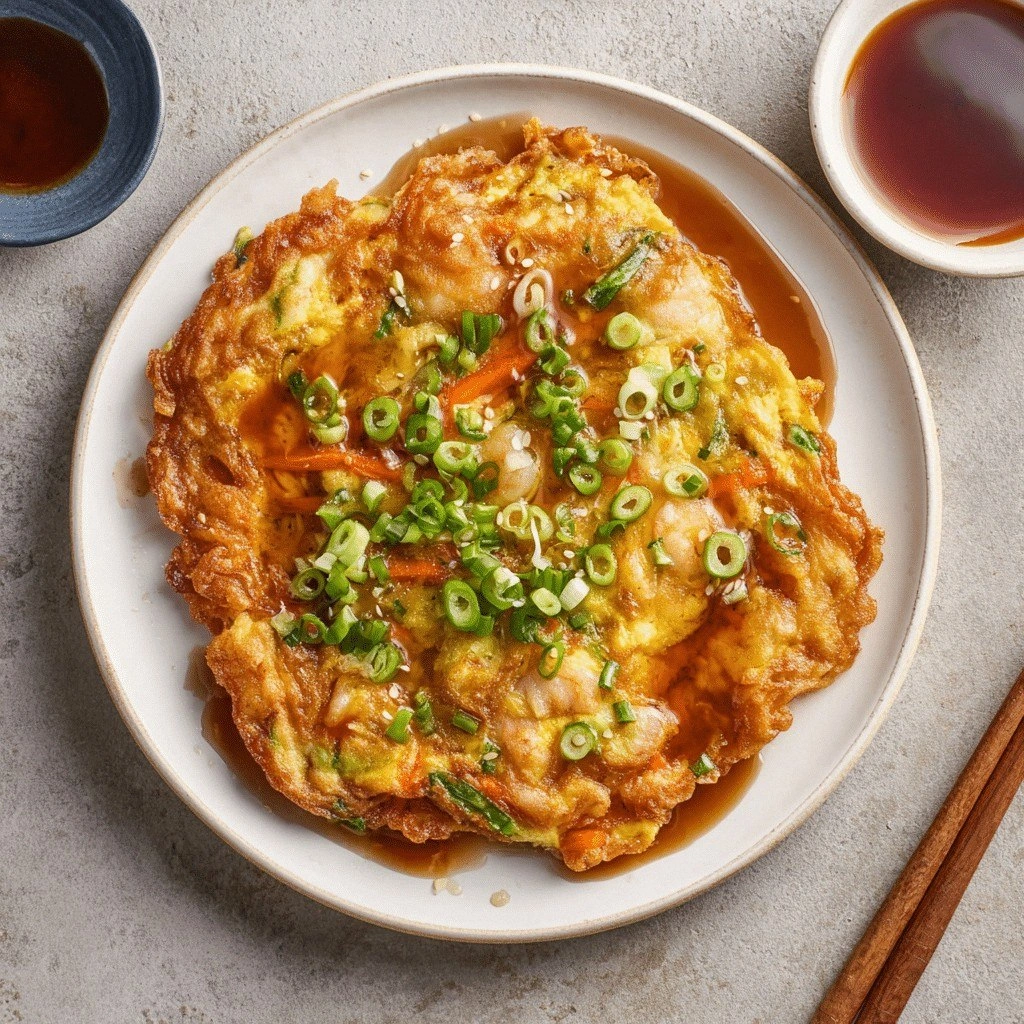
- Visual Appeal: The bright green bean sprouts, orange carrots, and deep brown glaze create a color palette that is as appetizing as it is delicious. The dish looks as good as it tastes, making it perfect for Instagram moments.
- Adaptability: Whether you prefer pork, shrimp, or a vegetarian version, the recipe accommodates all preferences. The modular nature of the ingredients means you can swap proteins or veggies without compromising the overall harmony.
- Audience Reaction: Most recipes get this completely wrong. Here’s what actually works. The crowd will applaud the crispy edges and the savory, slightly sweet glaze that coats each bite.
Inside the Ingredient List
The Flavor Base
Soy sauce is the backbone of the sauce, providing a salty, umami depth that anchors the dish. A tablespoon of oyster sauce adds a subtle sweetness and a glossy sheen that makes the eggs shine. Sesame oil, used sparingly, imparts a nutty aroma that elevates the entire flavor profile. If you’re watching sodium, use low‑sodium soy sauce and keep the oyster sauce to one tablespoon. The combination of these three liquids creates a sauce that coats the batter like velvet, leaving each bite rich and satisfying.
The Texture Crew
Eggs are the star of the show, offering a protein‑rich foundation that holds the batter together. The ratio of eggs to flour is crucial; too many eggs will make the mixture runny, too few will yield a dense, heavy texture. Cornstarch or a light flour blend keeps the batter light and allows the batter to crisp without becoming rubbery. When whisking, aim for a slightly frothy consistency; this introduces air that will translate into a fluffy interior.
The Unexpected Star
Carrots and bell peppers are not just for color; they bring natural sweetness and a satisfying crunch. Fresh bean sprouts add a peppery bite and a burst of moisture that keeps the dish from drying out. Green onions and garlic provide sharpness and depth, while sliced mushrooms offer an earthy undertone that balances the sweeter vegetables. The combination of these vegetables ensures every bite is a complex, harmonious experience.
The Final Flourish
A dash of citrus zest—preferably lemon or lime—adds brightness that cuts through the richness. Chili oil or flakes introduce a gentle heat that lingers without overpowering. A handful of chopped cilantro or parsley at the end adds a fresh, herbal note that completes the dish. These finishing touches transform a simple egg‑based fritter into a multi‑layered flavor explosion.
Everything’s prepped? Good. Let’s get into the real action.
The Method — Step by Step
- Step 1: Prepare the Batter. In a large bowl, whisk together the eggs, a splash of water, and cornstarch until the mixture is smooth and slightly frothy. The batter should be thin enough to coat the vegetables without dripping. Add a pinch of salt and pepper, then stir in the soy sauce, oyster sauce, and sesame oil. This mixture will be the foundation of the dish.
- Step 2: Dice and Mix Vegetables. While the batter sets, finely dice the carrots, bell pepper, and onion. Slice the mushrooms and green onions, and mince the garlic. Toss all the vegetables together in a separate bowl, then add the bean sprouts. The vegetables should be evenly distributed so each bite receives a balanced mix of flavors.
- Step 3: Heat the Pan. Place a non‑stick skillet over medium‑high heat and add 2 tablespoons of vegetable oil. The oil should shimmer but not smoke. I dare you to taste this and not go back for seconds—once the oil is hot, the batter will sizzle instantly.
- Step 4: Add Protein (Optional). If you’re using shrimp or pork, sauté them briefly in the hot oil until they are just cooked through. The protein should be browned on the outside but still tender inside. Remove from the pan and set aside; they’ll reheat in the next step.
- Step 5: Pour Batter into the Pan. Carefully pour a ladleful of batter into the skillet, swirling to coat the bottom evenly. The batter should spread quickly, forming a thin, even layer. The edges will begin to lift within a minute, signaling that the pan is hot enough.
- Step 6: Add Vegetables. Spoon a generous amount of the vegetable mixture onto the batter. The vegetables should be spread out to ensure even cooking. The sizzling sound will grow louder, indicating the vegetables are cooking through.
- Step 7: Cook and Flip. Let the mixture cook for 3–4 minutes, or until the edges turn golden brown and crisp. Use a spatula to carefully flip the entire patty; the flip is the moment of truth. If the batter sticks, wait a few more seconds until it releases naturally.
- Step 8: Finish with Protein. Once flipped, return the cooked shrimp or pork to the pan, allowing them to mingle with the vegetables for a minute. This step reintroduces the protein, ensuring it’s heated through without drying out.
- Step 9: Add Final Touches. Sprinkle a pinch of chili flakes or a few drops of chili oil, then drizzle a little lemon zest over the top. The citrus will cut through the richness and add a bright note. Let the mixture cook for another minute to meld the flavors.
- Step 10: Serve. Slide the patty onto a plate, cut into wedges, and garnish with chopped cilantro or parsley. Serve immediately with a side of steamed rice or a light salad. The dish is at its best when hot, crisp, and fragrant.
That’s it — you did it. But hold on, I’ve got a few more tricks that will take this to another level.
Insider Tricks for Flawless Results
The Temperature Rule Nobody Follows
The key to crisp edges is maintaining a steady medium‑high heat. Too low, and the batter will steam; too high, and it will burn before the inside cooks. Keep the oil shimmering and test with a small drop of batter; if it sizzles immediately, you’re at the right temperature.
Why Your Nose Knows Best
Smell the batter as it cooks; it should emit a nutty, slightly sweet aroma. If you notice a metallic or burnt scent early, the pan is too hot. Adjust the heat down a notch and let the batter settle.
The 5‑Minute Rest That Changes Everything
After flipping, let the patty rest for 5 minutes before cutting. This allows the juices to redistribute, ensuring every bite is moist and flavorful. A friend tried skipping this step once, and the result was a dry, unbalanced dish.
Use a Splash of Water for a Light Batter
Adding a tablespoon of cold water to the batter reduces the batter’s viscosity, making it easier to coat the vegetables evenly. The water also helps create steam during cooking, which keeps the interior tender.
Avoid Overcrowding the Pan
When you add too many patties at once, the pan’s temperature drops, and the batter becomes soggy. Cook in batches and keep the pan’s temperature steady for the best results.
Creative Twists and Variations
This recipe is a playground. Here are some of my favorite ways to switch things up:
Miso‑Glazed Egg Foo Young
Swap the soy sauce for a mixture of miso paste and water. The miso adds a deep, earthy sweetness that pairs beautifully with the vegetables. Serve with a drizzle of toasted sesame seeds for extra crunch.
Spicy Thai‑Style
Add Thai basil, lemongrass, and a generous splash of fish sauce. Replace the chili flakes with fresh red chilies for a fiery kick. The fresh herbs bring a bright, aromatic finish that transports you to a bustling night market.
Vegan Delight
Use a plant‑based egg substitute or tofu crumbles in place of eggs. Keep the soy and oyster sauces, but switch to a vegan oyster sauce alternative. The result is a protein‑rich, cruelty‑free dish that still satisfies.
Breakfast Edition
Serve the patties with a side of fresh fruit and a dollop of Greek yogurt. Add a sprinkle of chia seeds for texture. This version turns the classic into a hearty, protein‑packed breakfast that fuels your day.
Herb‑Infused Variation
Introduce a handful of fresh mint or basil into the batter. The herbs add a subtle, sweet flavor that contrasts the savory base. This is a refreshing take for summer gatherings.
Ginger‑Lemon Twist
Grate fresh ginger into the batter and squeeze a little lemon juice over the finished dish. The ginger’s warmth and the lemon’s brightness create a harmonious balance. Perfect for a light, refreshing meal.
Storing and Bringing It Back to Life
Fridge Storage
Cool the cooked patties completely before placing them in an airtight container. Store in the refrigerator for up to 3 days. When ready to serve, reheat in a skillet over medium heat until warmed through and the edges crisp again.
Freezer Friendly
Freeze the patties in a single layer on a parchment‑lined tray before transferring them to a freezer bag. They can be kept for up to 2 months. Thaw overnight in the refrigerator and finish by reheating in a skillet.
Best Reheating Method
Add a splash of water or broth to the skillet before reheating to create steam. This prevents the eggs from drying out. The steam will restore the patty’s softness while the pan crisps the exterior.