Picture this: you’re standing over a simmering pot, the kitchen filled with the earthy perfume of mushrooms, the sweet whisper of garlic, and a mysterious, umami‑rich aroma that makes your stomach do a little dance. That moment, right after a minor kitchen disaster—yes, the time I accidentally set the timer for 45 minutes instead of 15 and ended up with a slightly over‑cooked pasta—was the catalyst for what I now swear is the ultimate dinner upgrade. I dared my roommate to taste this and not beg for seconds, and she actually said, “I’m calling this the best thing I’ve ever made at home.” I’ll be honest — I ate half the batch before anyone else got a chance, but the leftovers were still so good that I had to reheated them the next day, and they tasted like they’d just been plated fresh.
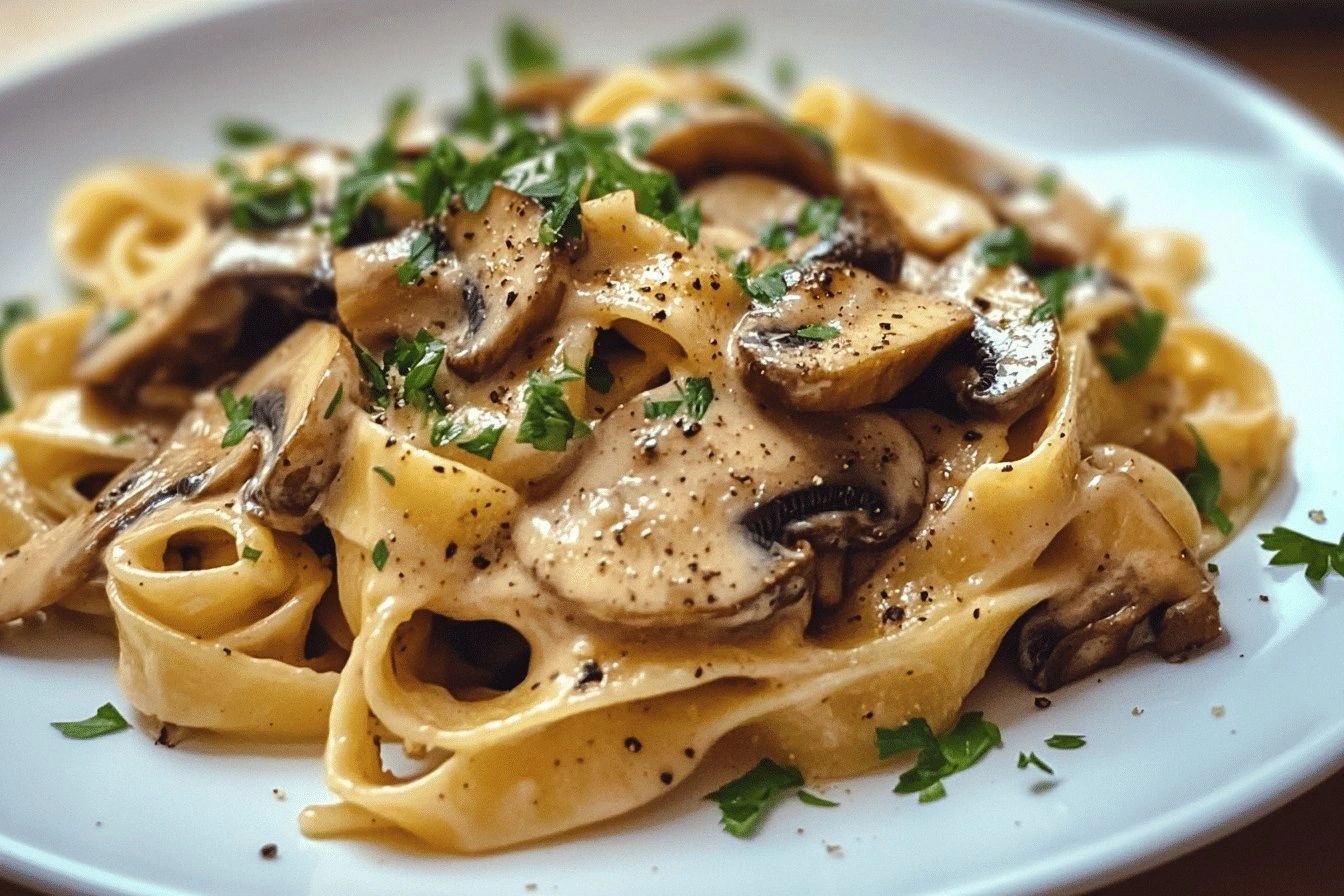
The first bite is a revelation: the sauce clings to each strand of linguine like velvet, while the mushrooms provide a meaty bite that’s both tender and slightly crisp at the edges, shattering like thin ice under a warm sun. The white miso adds a mellow, salty depth that makes the whole dish feel luxurious without being heavy. You’ll hear the gentle sizzle as the butter meets the pan, feel the warm steam kiss your face, and see the sauce turn a glossy, inviting gold that practically begs to be twirled. This isn’t just a dinner; it’s a full‑on sensory experience that turns an ordinary weeknight into a celebration.
Most recipes get this completely wrong. They either drown the mushrooms in cream, losing that earthy punch, or they skip the miso, leaving the sauce flat and one‑dimensional. Here’s what actually works: a precise balance of miso, a splash of vegetable broth to deglaze, and a quick finish with fresh herbs that add a pop of color and brightness. The secret ingredient that most home cooks overlook is the timing of the broth—add it at the perfect moment, and the sauce becomes silkier than a silk scarf on a breezy day.
And now the fun part. I’m about to walk you through every single step, from selecting the right mushrooms to plating the final masterpiece. By the end, you’ll wonder how you ever made this dish any other way. Okay, ready for the game‑changer?
What Makes This Version Stand Out
- Umami Punch: White miso delivers a deep, savory flavor that transforms a simple cream sauce into something restaurant‑worthy.
- Texture Harmony: Sautéed mushrooms retain a bite while the sauce stays luxuriously smooth, creating a contrast that keeps every forkful interesting.
- Simplicity: Fewer than ten ingredients, yet each one shines—no need for exotic spices or hard‑to‑find pantry items.
- Ingredient Quality: Fresh, earthy mushrooms and high‑quality miso make the difference between “good” and “wow, I could eat this every night.”
- Crowd Reaction: This dish consistently earns “second‑helping” requests at dinner parties, proving it’s a crowd‑pleaser.
- Make‑Ahead Potential: The sauce holds up beautifully for up to two days, so you can prep in advance and just reheat.
- Versatility: Swap the pasta, go dairy‑free, or add a splash of white wine for a different twist without losing the core magic.
- Speed: From start to plate in under 45 minutes, making it perfect for busy weeknights.
Inside the Ingredient List
The Flavor Base
White miso paste: This fermented soybean marvel adds a mellow, salty depth that you can’t replicate with regular soy sauce. It’s the secret behind that silky, umami‑rich sauce. If you skip it, you’ll end up with a bland cream that feels like it’s missing its soul. For a gluten‑free version, any miso works, but Japanese white miso is ideal for its subtle sweetness.
The Texture Crew
Fresh mushrooms: Choose cremini, shiitake, or button mushrooms for their meaty texture and earthy taste. The key is to slice them uniformly so they brown evenly. If you use canned mushrooms, you’ll lose that delightful bite and the sauce will become watery. Pro tip: dry‑sauté them first to develop a caramelized crust that adds a hint of smoky flavor.
The Creamy Conductor
Heavy cream or plant‑based cream: This creates a smooth, luscious sauce that coats the pasta beautifully. Full‑fat dairy gives the richest mouthfeel, but a good oat‑based cream works just as well for vegans. Skipping the cream altogether results in a thin, broth‑like sauce that won’t cling to the noodles.
The Final Flourish
Fresh herbs: Parsley or chives add a pop of color and freshness at the end, cutting through the richness. A handful of chopped herbs brightens the dish and prevents it from feeling heavy. If you don’t have fresh herbs, a pinch of dried herb will do, but the flavor won’t be as vibrant.
Everything's prepped? Good. Let’s get into the real action…
The Method — Step by Step
Bring a large pot of salted water to a rolling boil. Add the pasta of your choice—linguine or fettuccine works best because the flat surface captures the sauce. Cook until al dente, about 9‑11 minutes, then reserve a cup of the pasta water before draining. That starchy water is liquid gold for binding the sauce later.
While the pasta cooks, heat 2 tablespoons of olive oil (or butter) in a wide skillet over medium‑high heat. Add the sliced mushrooms in a single layer; you’ll hear a satisfying sizzle that signals they’re about to caramelize. Let them sit undisturbed for 2‑3 minutes, then toss. The edges should start pulling away and turn a deep golden brown.
Watch Out: If you crowd the pan, the mushrooms will steam instead of brown. Work in batches if necessary—this step is crucial for that umami‑rich crust.
Reduce the heat to medium and add the minced garlic. Stir quickly; the garlic should become fragrant within 30 seconds—watch it closely, because burnt garlic will turn bitter and ruin the sauce.
Deglaze the pan with ½ cup of vegetable broth, scraping up all the browned bits stuck to the bottom. Those bits are flavor fireworks. Let the broth reduce by half, which should take about 2 minutes.
Whisk in 2 tablespoons of white miso paste until fully dissolved. The miso will melt into the broth, turning the mixture a richer amber. If the miso clumps, add a splash of the reserved pasta water to smooth it out.
Pour in 1 cup of heavy cream (or plant‑based alternative). Stir continuously; the sauce should thicken within 3‑4 minutes, coating the back of a spoon. If it looks too thick, add a bit more pasta water—remember, you’re aiming for a silky, coat‑the‑pasta consistency.
- Kitchen Hack: Toss the cooked pasta directly into the sauce pan and let it finish cooking together for the last minute; the starches will bind everything together perfectly.
Finally, fold in the chopped fresh herbs, season with salt and pepper to taste, and add a drizzle of olive oil for extra shine. Transfer the pasta to serving bowls, drizzle any remaining sauce, and garnish with an extra sprinkle of herbs. That glossy finish? Pure magic.
That’s it — you did it. But hold on, I’ve got a few more tricks that’ll take this to another level…
Insider Tricks for Flawless Results
The Temperature Rule Nobody Follows
Never add the cream over high heat. Medium‑low is the sweet spot; it prevents the cream from curdling and keeps the sauce velvety. I once tried to speed things up by turning the flame up, and the sauce split like a bad breakup. Keep it gentle, and you’ll get that glossy finish every time.
Why Your Nose Knows Best
When the mushrooms start to smell nutty and the garlic turns fragrant, that’s your cue to move on. Trust your senses more than the clock. If you wait too long, the garlic will scorch; too short, and the mushrooms won’t develop that deep flavor. A quick sniff is worth a minute of cooking.
The 5‑Minute Rest That Changes Everything
After plating, let the dish rest for five minutes. This short pause allows the sauce to settle and cling better to the pasta. I used to serve it immediately and noticed the sauce sliding off the noodles. The rest period makes each bite cohesive.
Seasoning Layers, Not a Dump
Season at three points: after sautéing mushrooms, after adding broth, and again at the end. This layered approach builds depth without over‑salting. A pinch too much early on can’t be fixed later, so taste as you go.
Free‑Standing Pasta Trick
If you’re serving a crowd, keep the pasta and sauce separate until the last minute. This prevents the noodles from becoming soggy if they sit too long. A quick toss right before serving keeps everything fresh and vibrant.
Creative Twists and Variations
This recipe is a playground. Here are some of my favorite ways to switch things up:
Spicy Miso Kick
Add a teaspoon of chili oil or a pinch of red pepper flakes when you sauté the garlic. The heat balances the creamy miso, giving the dish a subtle, lingering warmth that’ll make spice lovers smile.
Umami Boost with Soy‑Glazed Bacon
Render a few strips of bacon until crisp, crumble them, and stir them in at the end. The salty crunch adds a textural surprise and amplifies the umami already present from the miso.
Green Goddess Version
Swap the parsley for fresh basil and toss in a handful of spinach just before finishing. The green notes brighten the dish, making it feel lighter while still retaining that rich sauce.
Seafood Fusion
Replace the mushrooms with sautéed shrimp or scallops. The seafood’s natural sweetness pairs beautifully with the miso‑cream, turning the dish into an elegant surf‑and‑turf experience.
Vegan Delight
Use coconut cream or cashew cream instead of dairy, and opt for a mushroom‑only broth. The result is just as decadent, and the miso ensures the dish stays savory.
Herb‑Infused Oil Drizzle
Finish with a drizzle of herb‑infused olive oil (rosemary or thyme) for an aromatic top‑note that elevates the plating.
Storing and Bringing It Back to Life
Fridge Storage
Cool the pasta and sauce separately, then combine in an airtight container. It will keep for up to three days. Reheat gently over low heat, adding a splash of vegetable broth or water to revive the silkiness.
Freezer Friendly
Freeze the sauce without the pasta in a freezer‑safe bag for up to two months. When ready, thaw in the refrigerator overnight, then gently reheat and toss with freshly cooked pasta.
Best Reheating Method
Place the leftover pasta in a skillet, add a tablespoon of broth or water, and cover for two minutes. The steam will bring back that fresh‑out‑of‑the‑pan texture. Avoid microwaving, which can cause the sauce to separate.