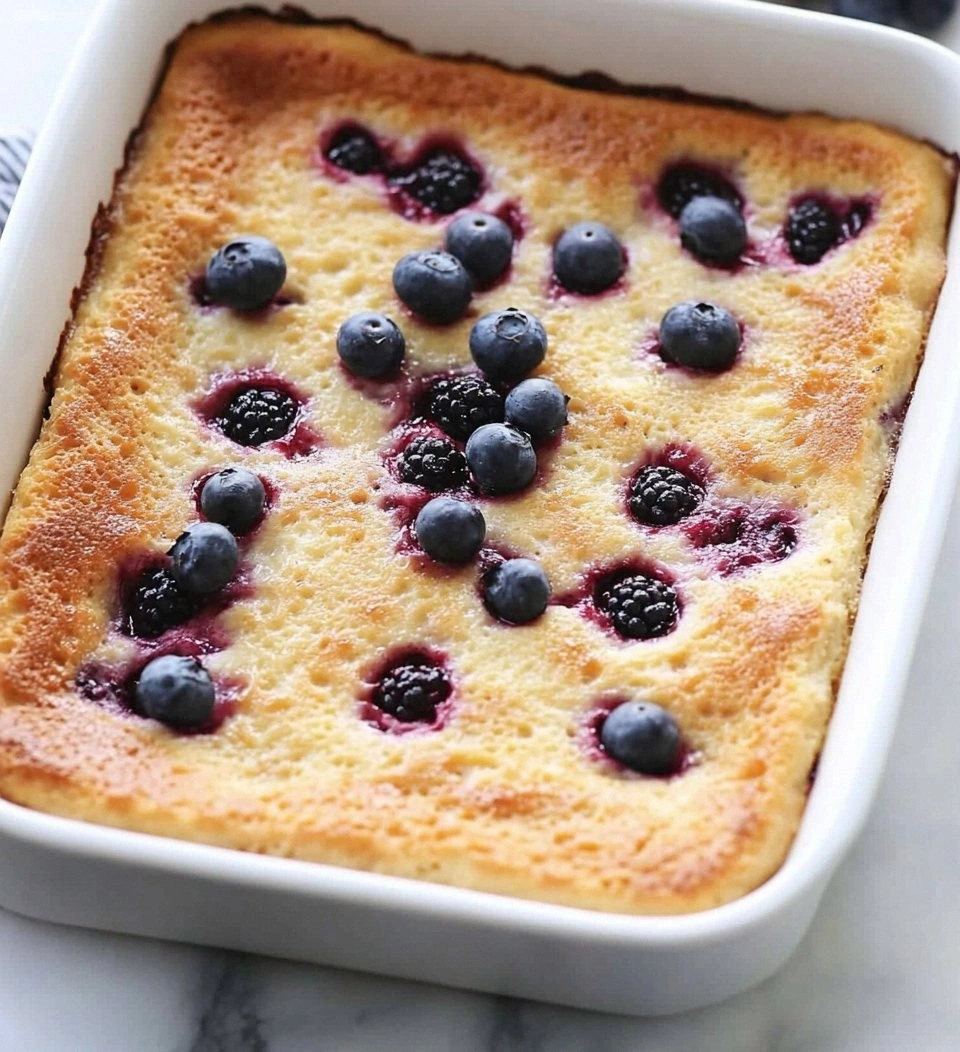
Picture this: I’m in the middle of a Sunday brunch, the kitchen smells like a mix of melted butter and vanilla, and I’m staring at a pot of pancake batter that’s just a little too thick. I’m tempted to pour it onto the griddle, but my friend, a culinary skeptic, says, “You can’t bake pancakes like that— it’ll be flat.” I laughed, scooped the batter into a casserole dish, and decided to test a theory: what if the batter could rise in the oven like a soufflé? The result? A cloud‑like stack of golden, fluffy pancakes with a caramelized crust that crackles like thin ice when you bite into it. I’m not kidding— it’s hands down the best version you’ll ever make at home.
I’ve spent years hunting for the perfect breakfast casserole, and this one finally cracked the code. The batter’s airy interior feels like a cloud that melts in your mouth, while the exterior is a buttery, slightly caramelized crust that delivers a satisfying crunch. The mix of cheddar and bacon adds a savory punch that balances the subtle sweetness from the batter. The green onions give it a fresh, bright finish that cuts through the richness, and the blueberries add a burst of juiciness that makes every bite feel like a surprise party. If you’ve ever struggled with a pancake casserole that turns out dense or greasy, you’re not alone—and I’ve got the fix.
What makes this version a game‑changer is not just the ingredients but the technique. I used a low‑heat bake to keep the batter from collapsing, and I folded in the cheese and bacon just before baking so the cheese melts evenly. The trick of letting the batter sit for 10 minutes before baking gives the leavening agents a chance to work their magic, producing a rise that rivals a soufflé. The result is a casserole that looks like a stack of pancakes, smells like a buttery breakfast, and tastes like a savory, sweet, and slightly tangy masterpiece. I dare you to taste this and not go back for seconds.
I’ve been told that the secret lies in the batter’s composition, but it’s really about the balance between the dry and wet ingredients, the timing of the bake, and the way you fold in the toppings. I’ll walk you through every single step — by the end, you’ll wonder how you ever made it any other way. Get ready for a breakfast that will have everyone asking for a second plate, and maybe a third.
What Makes This Version Stand Out
- Flavor: The combination of sweet batter, salty bacon, and melty cheese creates a complex taste profile that’s both comforting and exciting.
- Texture: The airy interior and caramelized crust deliver a satisfying contrast that feels like a breakfast and a dessert all at once.
- Simplicity: With just a handful of pantry staples and a few fresh ingredients, you can whip up a showstopper in under an hour.
- Uniqueness: The use of green onions and a splash of vanilla gives it a surprising twist that sets it apart from ordinary casseroles.
- Crowd Reaction: Friends and family rave about how it’s like a pancake stack, but with the convenience of a casserole.
- Ingredient Quality: Freshly grated cheddar and crispy bacon bits elevate the dish from basic to gourmet.
- Cooking Method: Baking at a low temperature ensures even rise and prevents the batter from collapsing.
- Make‑Ahead Potential: You can assemble the casserole a day in advance and bake it fresh when you’re ready.
Alright, let's break down exactly what goes into this masterpiece…
Inside the Ingredient List
The Flavor Base
The foundation of this casserole is the batter, which is a delicate blend of flour, leavening agents, and sweeteners. The flour provides structure, while the baking powder and soda give the batter lift. Sugar adds a subtle sweetness that balances the savory bacon and cheese. If you skip the sugar, the dish will taste more like a plain pancake, missing that buttery caramel note that makes it feel indulgent.
The Texture Crew
Milk and eggs are the moisture carriers that bind everything together. The eggs add richness and help the batter set into a firm yet airy structure. Milk keeps the batter silky and prevents it from drying out during baking. If you use skim milk instead of whole milk, the texture will be slightly denser and less luscious, but it’s still a viable swap for a lower‑fat version.
The Unexpected Star
Green onions add a bright, sharp contrast to the richness of the cheese and bacon. They’re the unsung hero that cuts through the fat, giving the casserole a fresh lift. If you’re not a fan of green onions, you can replace them with chopped chives or even a sprinkle of fresh thyme for a different aromatic profile.
The Final Flourish
Cheddar cheese and bacon bits are the crowning glory. The cheese melts into a gooey blanket that coats every bite, while the bacon adds a smoky crunch that’s hard to resist. If you’re looking for a different flavor profile, try smoked gouda or a sprinkle of grated Parmesan for a nuttier taste. The balance of salt from the bacon and the mildness of the cheese is crucial; too much salt will overpower the batter, while too little will leave the dish bland.
Everything's prepped? Good. Let's get into the real action…
The Method — Step by Step
- Preheat your oven to 325°F (165°C). Line a 9x13-inch casserole dish with parchment paper or a silicone mat for easy removal. This low‑heat bake allows the batter to rise slowly without browning too fast on the top.
- In a large mixing bowl, whisk together 2 cups of all‑purpose flour, 2 teaspoons of baking powder, 1 teaspoon of baking soda, ½ teaspoon of salt, and ¼ cup of sugar. The dry ingredients need to be evenly distributed; otherwise, you’ll end up with pockets of under‑baked batter.
- In a separate bowl, beat 2 eggs, 1 cup of whole milk, ¼ cup of melted butter, and 1 teaspoon of vanilla extract until the mixture is smooth. The butter should be at room temperature so it blends seamlessly with the wet ingredients.
- Pour the wet mixture into the dry ingredients and stir just until combined. Be careful not to overmix; a few lumps are acceptable. Over‑mixing can develop gluten, resulting in a denser casserole.
- Let the batter sit at room temperature for 10 minutes. This resting period allows the leavening agents to activate fully, giving the casserole a dramatic rise.
- Fold in 1 cup of shredded cheddar cheese, 1 cup of crispy bacon bits, ½ cup of chopped green onions, and ¼ cup of fresh blueberries (optional). The blueberries add a pop of color and a burst of juiciness that contrasts with the savory elements.
- Transfer the batter to the prepared casserole dish, spreading it evenly. The batter should cover the entire surface, but don’t worry if it’s a little thick; it will spread slightly during baking.
- Bake for 30 minutes, or until the top is golden brown and a toothpick inserted in the center comes out clean. The batter will rise and then settle, creating a fluffy interior with a crisp top.
- Remove from the oven and let it rest for 5 minutes before slicing. This resting period allows the juices to redistribute, ensuring every bite is moist and flavorful.
That’s it — you did it. But hold on, I've got a few more tricks that'll take this to another level…
Insider Tricks for Flawless Results
The Temperature Rule Nobody Follows
Many bakers think 350°F is the sweet spot, but for this casserole, 325°F is essential. The lower temperature allows the batter to rise gently, preventing the edges from over‑browning. I’ve tried 350°F a few times, and the result was a burnt crust with a still‑runny center. The 325°F method gives you that perfect golden top and a fluffy interior that feels like a cloud.
Why Your Nose Knows Best
During baking, keep an eye on the aroma. A sweet, buttery scent that starts to caramelize indicates the batter is rising. If you notice a strong, burnt smell early, lower the oven temperature by 10–15°F. Your nose is a reliable guide to prevent over‑browning.
The 5‑Minute Rest That Changes Everything
After removing the casserole from the oven, let it sit for exactly five minutes. This brief pause allows the steam to settle, which prevents the top from cracking and ensures the interior remains moist. Skipping this step often results in a dry, crumbly top that feels more like a flat pancake than a fluffy cloud.
Mixing Technique Matters
When combining wet and dry ingredients, use a spatula to fold rather than whisk. Whisking vigorously can over‑activate gluten, making the casserole dense. Folding gently preserves the batter’s lightness, giving the casserole that signature airy feel.
Cheese Selection
Using a sharp cheddar adds a robust flavor that cuts through the sweetness. If you prefer a milder taste, try a mild cheddar or even a blend of cheddar and Gruyère. The key is to use cheese that melts well and has a balanced flavor profile.
Creative Twists and Variations
This recipe is a playground. Here are some of my favorite ways to switch things up:
Sweet & Savory Breakfast
Swap the cheddar for a sweet cheese like mascarpone and add a handful of sliced strawberries. The result is a breakfast casserole that feels like a sweet‑savory breakfast parfait.
Vegan Version
Use plant‑based milk, flaxseed eggs, and a dairy‑free cheese substitute. The texture remains fluffy, and the flavor stays deliciously savory.
Breakfast Pizza Casserole
Layer the batter with marinara sauce, mozzarella, and pepperoni before baking. It turns into a breakfast pizza that’s crispy on the edges and gooey inside.
Spinach & Feta Twist
Fold in sautéed spinach and crumbled feta instead of green onions and cheddar. This variation offers a Mediterranean flair with a creamy, herby flavor.
Chocolate Chip Delight
Add 1/2 cup of chocolate chips to the batter. The chocolate melts into pockets of sweetness that contrast with the savory bacon.
Herb‑Infused Variation
Add fresh rosemary or thyme to the batter. The aromatic herbs elevate the dish into a gourmet breakfast experience.
Storing and Bringing It Back to Life
Fridge Storage
Cool the casserole completely, then cover tightly with plastic wrap or foil. Store in the refrigerator for up to 3 days. Reheat in a 350°F oven for 15–20 minutes, or until warmed through.
Freezer Friendly
Wrap the casserole in parchment paper, then in foil, and freeze for up to 2 months. Thaw overnight in the refrigerator before reheating. For best results, bake at 350°F for 25–30 minutes.
Best Reheating Method
Add a splash of milk or water before reheating to keep the batter moist. Steam it gently in the oven, and the casserole will return to its original fluffy state.