I was standing in my tiny kitchen, staring at a half‑finished batch of store‑bought pretzel sticks that had turned out soggy, flavorless, and—let’s be honest—pretty much inedible. My roommate had dared me to make something “better than a pretzel” for our movie night, and I was determined not to let a simple snack ruin the vibe. I tossed the sad pretzels into the trash, grabbed a bag of flour, and set out on a quest that felt more like a science experiment than a quick fix. The result? A batch of German Soft Pretzel Sticks that made the whole apartment smell like a Bavarian bakery, and honestly, I’ve never been so proud of a snack that I could eat it straight out of the oven while still wearing my pajamas.
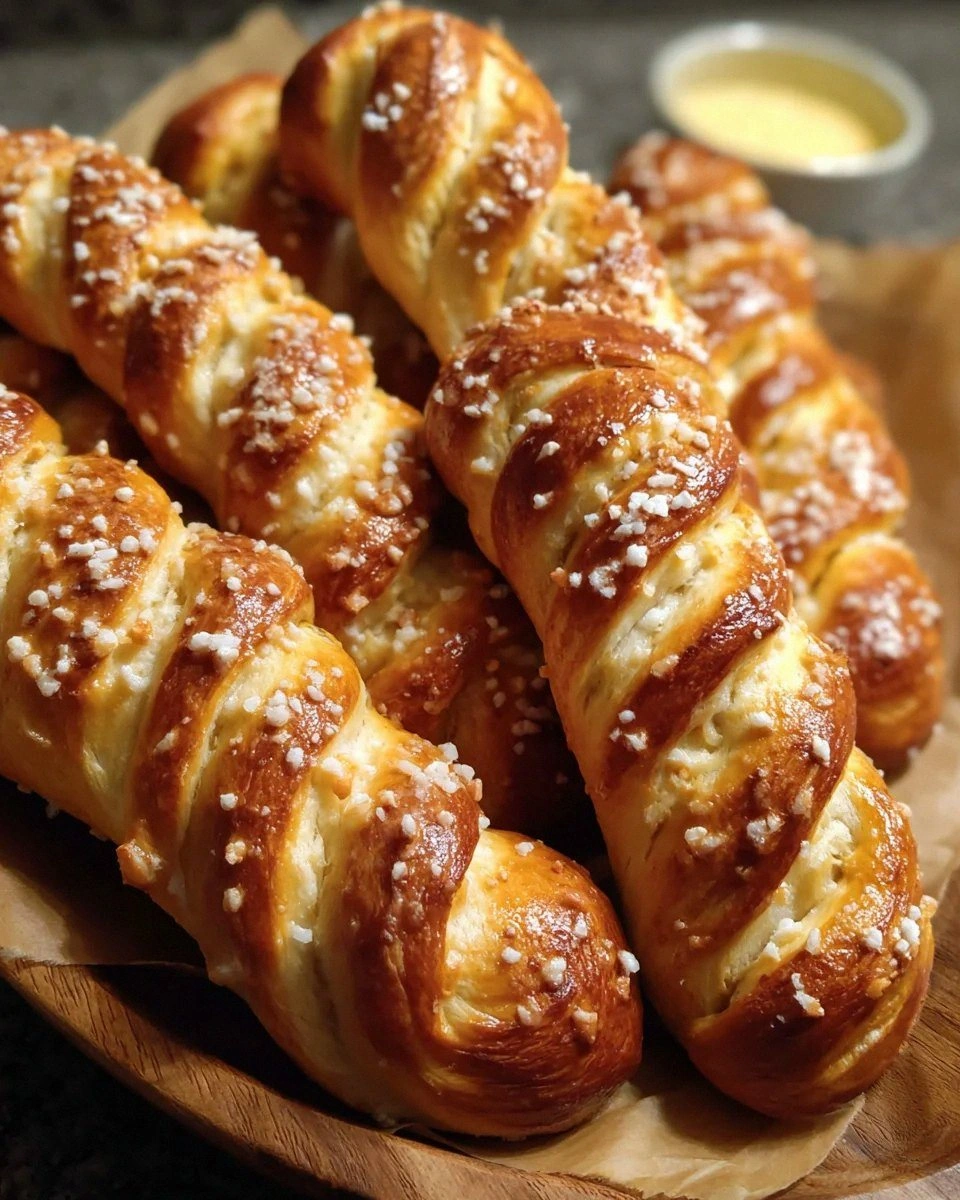
Picture this: the moment the dough hits the boiling water, it bubbles like a miniature volcano, releasing a faint, earthy aroma that makes you want to hug the pot. The sticks emerge with a glossy, mahogany crust that shimmers under the kitchen light, and when they finally come out of the oven, the scent of toasted malt, a whisper of butter, and the unmistakable bite of coarse sea salt fills every corner of the room. The first bite is a perfect marriage of chewy interior and crisp, salty exterior—soft enough to bite through without a struggle, yet sturdy enough to hold a generous smear of mustard or cheese dip without crumbling.
Most pretzel recipes I’ve tried either skip the crucial boil‑in‑baking‑soda step, resulting in a bland, bread‑like texture, or they over‑complicate things with fancy flours and obscure spices that never really pay off. This version, however, sticks to the fundamentals but adds a few game‑changing twists: a dash of light brown sugar for a subtle caramel note, a warm water‑yeast marriage that guarantees a lofty rise, and a quick‑cool hack that locks in moisture for an ultra‑soft bite. The secret? A precise temperature control during the boil and a clever egg‑wash technique that gives each stick a glossy, golden finish without the need for a professional bakery’s equipment.
I dare you to taste this and not go back for seconds. I’ll be honest—I ate half the batch before anyone else got a chance to try it, and that’s saying something because I was supposed to be the host. If you’ve ever struggled with pretzels turning into rock‑hard sticks or soggy dough, you’re not alone—and I’ve got the fix. Okay, ready for the game‑changer? Let me walk you through every single step — by the end, you’ll wonder how you ever made it any other way.
What Makes This Version Stand Out
- Flavor Balance: The hint of light brown sugar adds a caramelized depth that perfectly counters the coarse sea salt, creating a taste that’s both sweet and savory without being cloying.
- Chewy Texture: By using a warm water‑yeast combo and a brief boil in baking soda, the interior stays airy and pillowy while the crust remains delightfully crisp.
- Simplicity: Only ten ingredients, all pantry staples, mean you won’t need a trip to the specialty store—just a little patience and a sense of adventure.
- Visual Appeal: The egg‑wash gives each stick a glossy, golden sheen that makes them look like they belong on a high‑end brunch menu, not a college dorm kitchen.
- Crowd Reaction: These sticks have a built‑in “wow” factor; guests often ask for the recipe before the first bite is even taken.
- Make‑Ahead Potential: Freeze‑proof and easily reheated, they’re perfect for meal‑prep, party snacks, or a quick comfort bite on a rainy day.
- Ingredient Quality: Using all‑purpose flour and a modest amount of oil keeps the dough tender without unnecessary heaviness.
- Cooking Method: The two‑step process—boiling then baking—locks in flavor and texture in a way that no single‑method recipe can match.
Inside the Ingredient List
The Flavor Base
Light brown sugar isn’t just for sweetness; it brings a subtle molasses undertone that deepens the overall flavor profile. If you skip it, the pretzel sticks will taste flat, missing that whisper of caramel that makes the salty crust sing. A good swap is coconut sugar, which adds a similar depth but with a hint of tropical nuance. When buying, look for a fine‑grained variety that dissolves quickly in the warm water.
The Leavening Crew
Warm water (around 110°F) is the perfect temperature to coax the active dry yeast into a frothy frenzy. Too hot and the yeast dies; too cold and it never fully awakens, leaving you with dense, un‑airy sticks. A reliable tip: dip your finger into the water—if it feels comfortably warm, you’re golden. If you’re missing active dry yeast, instant yeast works, but reduce the warm water by a tablespoon to keep the dough from becoming overly wet.
The Texture Crew
All‑purpose flour is the backbone of the dough, providing the gluten network that gives pretzel sticks their signature chew. Substituting with whole‑wheat flour will make the sticks heavier and denser, while bread flour can make them too tough. For a lighter bite, you can blend half all‑purpose with half pastry flour, but be prepared for a slightly softer crust. When measuring, spoon the flour into the cup and level it off—packing it will make the dough too dry.
The Unexpected Star
Baking soda is the unsung hero that creates the iconic pretzel flavor and that beautiful brown crust. When dissolved in hot water for the boil, it creates an alkaline environment that encourages the Maillard reaction, giving the pretzels their deep, caramelized color. Skipping this step yields a bland, pale product that looks more like a plain roll than a pretzel. If you’re out of baking soda, you can use a mixture of 1 part baking powder and 2 parts baking soda, but the flavor won’t be quite as authentic.
The Final Flourish
Coarse sea salt isn’t just for garnish; its large crystals provide a satisfying crunch and a burst of briny flavor that contrasts beautifully with the sweet undertones. If you use fine table salt, you’ll lose that textural contrast and the pretzels may taste overly salty. For a gourmet twist, try a flavored sea salt—smoked, rosemary, or even a hint of truffle salt. When sprinkling, do it while the sticks are still hot from the oven so the salt adheres perfectly.
Everything's prepped? Good. Let's get into the real action...
The Method — Step by Step
Start by activating the yeast. In a large mixing bowl, combine 1 cup warm water, 2 tbsp light brown sugar, and 2 tsp active dry yeast. Stir gently, then let it sit for 5‑7 minutes until it becomes foamy and fragrant—like a tiny cloud of buttery perfume. This is the moment of truth; if you don’t see bubbles, your yeast might be dead, and you’ll need to start over.
While the yeast is doing its thing, whisk together 3 cups all‑purpose flour, 1 tsp salt, and 2 tbsp vegetable oil in a separate bowl. The oil adds tenderness, making the final sticks soft enough to bite through without a fight. Once the yeast mixture is bubbly, pour it into the dry ingredients and stir until a shaggy dough forms.
Turn the dough onto a lightly floured surface and knead for about 8‑10 minutes. You’re looking for a smooth, elastic texture that springs back when you press it—think of a well‑trained rubber band. If the dough feels sticky, sprinkle a little more flour, but be careful not to over‑flour or you’ll end up with tough pretzels.
Shape the dough into a ball, lightly coat it with a drizzle of oil, and place it back in the bowl. Cover with a clean kitchen towel and let it rise in a warm spot for 45 minutes to an hour, or until it has doubled in size. This is the perfect time to prep your baking sheets: butter two sheet pans generously; the butter adds a subtle richness and prevents sticking.
Divide the risen dough into 12 equal pieces. Roll each piece into a long rope about 12‑14 inches long, then twist it into a pretzel shape or simply cut it into 1‑inch sticks for a more snack‑friendly look. Place the sticks on the buttered sheets, spacing them a little apart to allow for expansion.
Now for the magical boil. In a large pot, bring 8 cups of hot water to a gentle simmer, then whisk in 1/4 cup baking soda (be careful, it will bubble up). One by one, dip the pretzel sticks into the boiling bath for exactly 30 seconds. You’ll hear a soft sizzle that signals the starches are setting—That sizzle when it hits the pan? Absolute perfection.
Using a slotted spoon, lift the boiled sticks and place them back on the buttered sheets. While they’re still wet, brush each stick with an egg wash (1 beaten egg mixed with 1 tbsp water). This will give them a glossy, golden finish that makes them look bakery‑ready.
Immediately sprinkle the sticks with coarse sea salt—be generous, the salt is the final flavor punch. Slide the sheet pans into a preheated oven at 425°F (220°C) and bake for 12‑15 minutes, or until the sticks are a deep, caramel‑brown color and sound hollow when tapped on the bottom. The aroma at this stage is intoxicating; you’ll start dreaming about pretzels for days.
Remove the pretzel sticks from the oven and let them cool on a wire rack for 5 minutes. This short rest lets the interior set while the crust remains crisp. Serve warm with mustard, cheese dip, or simply enjoy them plain—trust me, you’ll be tempted to eat them straight off the rack.
That's it — you did it. But hold on, I've got a few more tricks that'll take this to another level...
Insider Tricks for Flawless Results
The Temperature Rule Nobody Follows
Never, ever let your water dip below 105°F when activating yeast. A quick tip: use a kitchen thermometer or the “finger test” (the water should feel warm, not hot). If the temperature is off, the yeast either dies or works sluggishly, leading to dense pretzel sticks. I once tried to speed things up with hotter water and ended up with a dough that smelled like burnt toast—lesson learned.
Why Your Nose Knows Best
During the boil, you’ll notice a faint, nutty aroma as the baking soda reacts with the dough. That scent is your cue that the pretzel is developing its signature flavor. If you don’t smell anything, the water isn’t hot enough; give it a quick boost. Trust your nose more than the clock.
The 5‑Minute Rest That Changes Everything
After shaping the sticks but before the boil, let them rest uncovered for 5 minutes. This short pause allows the gluten to relax, preventing the sticks from snapping back when you twist them. A friend tried skipping this rest and ended up with pretzels that curled into strange spirals—definitely not the classic shape we’re after.
Egg Wash Secrets
For a deeper gold, add a pinch of paprika or a drizzle of honey to the egg wash. The paprika gives a subtle smoky undertone, while honey adds a caramelized sheen. Whisk thoroughly; any streaks of egg white will create uneven coloring.
The Steam Finish
After baking, place a shallow pan of hot water on the bottom rack of the oven for 2 minutes. The steam will re‑hydrate the crust just enough to keep it soft on the inside while preserving the crunch on the outside. This is the secret I use for my bakery‑style pretzels, and it works every single time.
Creative Twists and Variations
This recipe is a playground. Here are some of my favorite ways to switch things up:
Cheddar‑Infused Sticks
Add 1 cup shredded sharp cheddar to the dough during the mixing stage. The cheese melts into the interior, giving each bite a gooey, savory surprise that pairs perfectly with a mustard dip. Kids love the extra cheesiness.
Cinnamon‑Sugar Dream
Swap the coarse sea salt for a mixture of 2 tbsp cinnamon and 2 tbsp granulated sugar. Brush the sticks with melted butter before sprinkling the cinnamon‑sugar blend for a sweet‑savory snack that’s perfect for brunch.
Garlic‑Herb Delight
Mix 1 tsp garlic powder and 1 tsp dried oregano into the flour before adding the wet ingredients. After baking, drizzle with a little extra‑virgin olive oil and a pinch of flaky sea salt. This variation turns the pretzel sticks into an Italian‑style antipasto.
Whole‑Wheat Health Boost
Replace half of the all‑purpose flour with whole‑wheat flour for a nuttier flavor and added fiber. The texture will be slightly denser, but the taste is wonderfully rustic—great for a wholesome snack.
Spicy Jalapeño Kick
Finely chop 1‑2 jalapeños and fold them into the dough. Add a pinch of cayenne to the egg wash for an extra heat boost. Serve with a cooling ranch dip to balance the fire.
Sweet Chocolate Drizzle
After the pretzels have cooled, melt dark chocolate and drizzle it over the sticks. Sprinkle a pinch of sea salt on the chocolate for that irresistible sweet‑salty combo. This is my go‑to for a dessert‑style snack that still feels like a pretzel.
Storing and Bringing It Back to Life
Fridge Storage
Place cooled pretzel sticks in an airtight container lined with a paper towel to absorb excess moisture. They’ll stay fresh for up to 4 days. For maximum crispness, reheat in a preheated 350°F oven for 5 minutes before serving.
Freezer Friendly
Arrange the sticks on a baking sheet and freeze until solid, then transfer to a zip‑top freezer bag. They’ll keep for up to 2 months. When you’re ready, bake them straight from the freezer at 425°F for 10‑12 minutes; the heat will revive that golden crust.
Best Reheating Method
To bring them back to life, sprinkle a tiny splash of water over the sticks (just enough to create steam) and heat in a 350°F oven for 6‑8 minutes. The steam re‑hydrates the interior, while the oven restores the crisp exterior. Avoid microwaving—they’ll become rubbery.