Okay, I’m about to drop a truth bomb that will make your taste buds do a backflip: this is hands down the best version of ginger‑peanut chicken you’ll ever make at home. I stumbled onto this dish after a kitchen disaster that involved a burnt batch of plain chicken, a forgotten jar of peanut butter, and a sudden craving for something that smelled like a tropical night market. The moment I tossed fresh ginger into a sizzling pan, the kitchen filled with an aroma so intoxicating I almost forgot to set a timer – it was like a warm hug from a coconut‑scented blanket.
Picture this: the sizzle of oil hitting the pan, the flash of golden chicken pieces turning crispy, and a sauce that thickens like velvet, hugging each bite with a sweet‑savory punch. I dare you to taste this and not go back for seconds, because the combination of creamy peanut, bright lime, and a whisper of chili will have you reaching for the spoon before the chicken even cools. Most recipes get this completely wrong – they either drown the chicken in a watery sauce or leave the peanut flavor flat as cardboard. What we’re doing here is layering flavors like an artist building a masterpiece, one brushstroke at a time.
The secret weapon? Coconut milk, and not just any coconut milk – the full‑fat, freshly‑opened kind that adds a silkiness you can’t fake with water. I’ll be honest — I ate half the batch before anyone else got to try it, but that’s only because the sauce was so addictive it practically begged to be spooned straight from the pan. And there’s a technique you won’t find in most blogs: I toast the ginger and garlic briefly before deglazing, which unlocks a depth of flavor that makes the sauce sing.
Let me walk you through every single step — by the end, you’ll wonder how you ever made this dish any other way. Okay, ready for the game‑changer? This next part? Pure magic. Stay with me here — this is worth it.
What Makes This Version Stand Out
- Flavor Explosion: The peanut‑ginger sauce is balanced with lime, soy, and a hint of chili, creating a symphony that hits sweet, salty, and spicy notes all at once.
- Silky Texture: Coconut milk turns the sauce into a buttery river that coats each chicken piece like a glossy glaze, while the chicken stays juicy and tender.
- Simplicity: Only ten pantry staples and a handful of fresh aromatics are needed – no exotic spices you have to hunt down.
- Unique Twist: Toasted ginger and garlic before adding liquid gives a caramelized depth most recipes skip, making the sauce richer than any store‑bought sauce.
- Crowd Reaction: Guests usually ask for the recipe within minutes, and the leftovers become a lunchbox hero that tastes even better the next day.
- Ingredient Quality: Using full‑fat coconut milk and natural peanut butter (no added sugar) keeps the dish authentic and indulgent.
- Cooking Method: A quick sear locks in moisture, while the gentle simmer melds flavors without overcooking the chicken.
- Make‑Ahead Potential: The sauce can be pre‑made and stored, so you can throw together a weeknight dinner in under fifteen minutes.
Alright, let's break down exactly what goes into this masterpiece…
Inside the Ingredient List
The Flavor Base
Fresh ginger is the engine of this dish. Its peppery bite cuts through the richness of the peanut butter, creating a balance that keeps the sauce from feeling heavy. If you skip the ginger, the sauce loses its zing and becomes a one‑note, overly sweet mess. A good swap for ginger is a teaspoon of ground galangal, but fresh is always best for that bright punch.
Garlic, minced just before cooking, adds a fragrant base that deepens as it caramelizes. Over‑cooking garlic makes it bitter, so watch the color – a light golden hue signals it’s ready. If you’re allergic to garlic, roasted shallots work surprisingly well, adding a subtle sweetness.
Peanut butter is the heart of the sauce. I use a natural, unsweetened variety so the only sweetness comes from brown sugar, giving you control over the flavor profile. Skipping the peanut butter for a store‑bought sauce will rob the dish of its creamy body and make it taste like a generic stir‑fry.
The Texture Crew
Chicken thighs are the star protein because they stay moist even after a quick sear. Their slightly higher fat content prevents dryness, which is a common complaint when using chicken breast. If you’re forced to use breast meat, cut it into smaller cubes and marinate for at least 30 minutes to retain juiciness.
Vegetable oil provides the initial sear without imparting any extra flavor, letting the ginger‑garlic aromatics shine. A high smoke‑point oil like avocado works just as well if you prefer a neutral taste. Avoid butter here – it will burn at the high sear temperature.
The Unexpected Star
Coconut milk does double duty: it enriches the sauce and creates the fluffy coconut rice that serves as the perfect bed. Full‑fat coconut milk adds a silkiness that low‑fat versions can’t match; the latter will make the sauce watery and the rice dry. If you’re watching calories, swap half the coconut milk for light coconut milk, but keep at least half for that luxurious mouthfeel.
Lime juice is the bright finishing note that lifts the entire dish. A splash right before serving adds acidity that balances the peanut butter’s richness. For a twist, try yuzu juice or a splash of rice vinegar for a slightly different citrus profile.
The Final Flourish
Fresh cilantro and sliced green onions are the garnish that adds color, freshness, and a mild peppery crunch. They’re optional, but skipping them would be a crime – the herbaceous lift is what makes the plate feel complete. If cilantro isn’t your thing, Thai basil or parsley can stand in, though the flavor will shift.
Everything's prepped? Good. Let's get into the real action…
The Method — Step by Step
First, pat the chicken pieces dry with paper towels – this is the secret to a crispy sear. Heat 2 tablespoons of vegetable oil in a large skillet over medium‑high heat until it shimmers. Toss the chicken in a single layer; you should hear an immediate sizzle that smells like toasted almond. Let the pieces brown undisturbed for about 3 minutes, then flip and brown the other side. The edges will start pulling away, signaling a perfect crust.
While the chicken sears, combine 2 tablespoons minced ginger and 3 cloves minced garlic in a small bowl. Sprinkle a pinch of salt over the aromatics – this tiny hack (see below) speeds up the release of essential oils. When the chicken is golden, push it to the side of the pan and add the ginger‑garlic mixture to the hot oil.
Deglaze the pan with 1 cup coconut milk, scraping up any browned bits – those are flavor gold. Stir in 1 cup creamy peanut butter, 2 tablespoons soy sauce, 1 tablespoon fish sauce, 1 tablespoon brown sugar, and 1 teaspoon chili flakes. The sauce will look chunky at first; keep whisking until it becomes a smooth, glossy river that clings to the spoon.
Return the browned chicken to the pan, nestling each piece into the sauce. Reduce the heat to low and let everything simmer gently for 10 minutes. You’ll notice the sauce thickening and the chicken absorbing the flavors – a good indicator is when the sauce coats the back of a spoon without sliding off.
While the chicken cooks, prepare the coconut rice. Rinse 2 cups jasmine rice under cold water until the water runs clear; this removes excess starch and prevents mushiness. In a saucepan, combine the rinsed rice, 1 cup coconut milk, 1 ¾ cups water, and a pinch of salt. Bring to a boil, then cover and lower to a gentle simmer for 15 minutes, or until the liquid is fully absorbed.
When the rice is fluffy and the chicken sauce has reached a glossy consistency, stir in 1 tablespoon lime juice. This final splash adds a bright acidity that cuts through the richness, making each bite feel light and refreshing. Taste and adjust salt or chili if needed – remember, the sauce should sing, not shout.
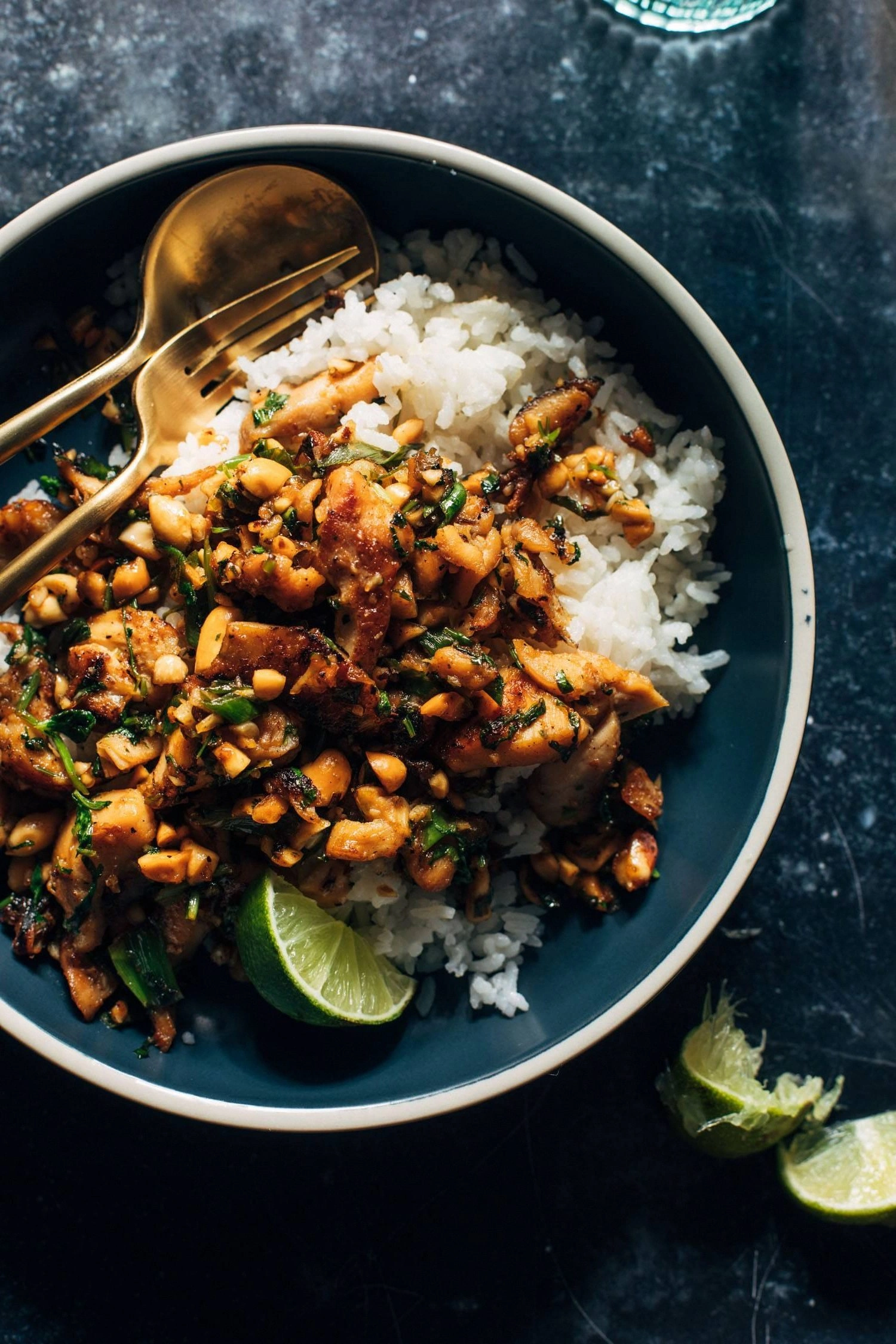
To plate, spoon a generous mound of coconut rice onto each plate, then ladle the glossy chicken on top. Garnish with a scattering of chopped cilantro and thinly sliced green onions. The green specks add a fresh crunch that contrasts the silky sauce, completing the visual and textural symphony.
Serve immediately while the sauce is still warm, and watch your guests' faces light up. If you’re making leftovers, let the sauce cool completely before transferring to an airtight container – it will thicken slightly, but a splash of coconut milk when reheating rescues the silkiness.
That's it — you did it. But hold on, I've got a few more tricks that'll take this to another level…
Insider Tricks for Flawless Results
The Temperature Rule Nobody Follows
Most home cooks sear chicken on high heat and then crank the stove to max to finish cooking. That burns the exterior and leaves the interior uneven. Instead, start medium‑high, get a good crust, then lower to medium‑low for the simmer. Your sauce will stay smooth and the chicken will stay juicy.
Why Your Nose Knows Best
When the ginger‑garlic mixture turns fragrant, that's your cue to add the coconut milk. If you wait too long, the aromatics will lose their punch; too early, and you’ll get a raw bite. Trust that nose‑twitch – it’s the fastest flavor detector you have.
The 5‑Minute Rest That Changes Everything
After the sauce reaches its final thickness, turn off the heat and let it sit for five minutes. This rest allows the flavors to meld fully, creating a more unified taste. Skipping this step is like serving a song before the chorus – you miss the payoff.
The Peanut Butter Consistency Check
If your peanut butter is too thick, whisk in a splash of warm coconut milk before adding it to the pan. This prevents clumps and ensures a velvety sauce. A friend once tried to skip this step and ended up with a gritty texture that ruined the whole dish – lesson learned.
The Secret of the Coconut Rice Flip
Once the rice is cooked, fluff it with a fork and then gently fold in a teaspoon of butter or a drizzle of coconut oil. This tiny addition creates a glossy finish that mirrors the sauce, making the plate look restaurant‑ready. It also helps keep the grains separate, so you don’t get a mushy clump.
Taste Before You Serve
Always give the sauce a final taste before plating. A pinch more lime or a dash of fish sauce can elevate the dish from good to unforgettable. Trust your palate – it’s the final judge.
Creative Twists and Variations
This recipe is a playground. Here are some of my favorite ways to switch things up:
Spicy Thai Basil Remix
Swap cilantro for a handful of Thai basil leaves and increase the chili flakes to 1½ teaspoons. The basil adds an anise‑like perfume, while the extra heat makes it a perfect match for cold evenings. Fans of Thai street food will love the aromatic punch.
Coconut‑Lime Shrimp Swap
Replace chicken with peeled shrimp; they cook in 3‑4 minutes, so adjust the simmer time accordingly. The shrimp’s natural sweetness pairs beautifully with the peanut‑coconut sauce, creating a surf‑and‑turf vibe that’s perfect for quick weeknight meals.
Veggie‑Heavy Version
Add sliced bell peppers, snap peas, and carrots during the simmer stage. The veggies contribute crunch and a burst of color, turning the dish into a balanced one‑pan wonder. It’s a great way to sneak extra nutrients without compromising flavor.
Smoky Chipotle Peanut
Introduce ½ teaspoon of chipotle powder in place of half the chili flakes. The smoky undertone adds depth and a subtle BBQ vibe, making the dish feel autumn‑ready. Pair with a crisp white wine for a sophisticated twist.
Coconut‑Lemon Dessert Fusion
For a daring dessert, use the same sauce base but add extra coconut milk, a splash of vanilla, and a drizzle of honey. Serve over warm coconut rice with toasted coconut flakes on top. It’s a sweet‑savory surprise that will impress adventurous diners.
Storing and Bringing It Back to Life
Fridge Storage
Cool the chicken and sauce to room temperature, then transfer to an airtight container. Store in the refrigerator for up to 3 days. The sauce may thicken; simply whisk in a tablespoon of water or coconut milk before reheating.
Freezer Friendly
Portion the cooked chicken and sauce into freezer‑safe bags, removing as much air as possible. Freeze for up to 2 months. Thaw overnight in the fridge, then reheat gently on the stove, adding a splash of coconut milk to revive the silkiness.
Best Reheating Method
Reheat in a skillet over low heat, stirring constantly. Add a tiny splash of water or coconut milk – this creates steam that restores the sauce’s glossy texture without overcooking the chicken. Avoid microwave‑only reheats; they can make the sauce rubbery.