I remember the night I nearly burned down the kitchen because I tried to impress a friend with a quick “Greek pasta salad” that I found on a random blog. I tossed a bag of rotini into boiling water, dumped in half a bottle of olive oil, and then, in a moment of culinary bravado, I tossed the pasta with a handful of cherry tomatoes and a splash of lemon juice, hoping the flavors would magically mingle. The result was a soggy, bland mess that tasted like a salad that never quite found its identity. My friend stared at the plate, then at me, and said, “I dare you to taste this and not go back for seconds.” That was the moment I decided to rewrite the recipe from scratch, turning that disaster into a masterpiece that still makes my kitchen smell like a Mediterranean summer.
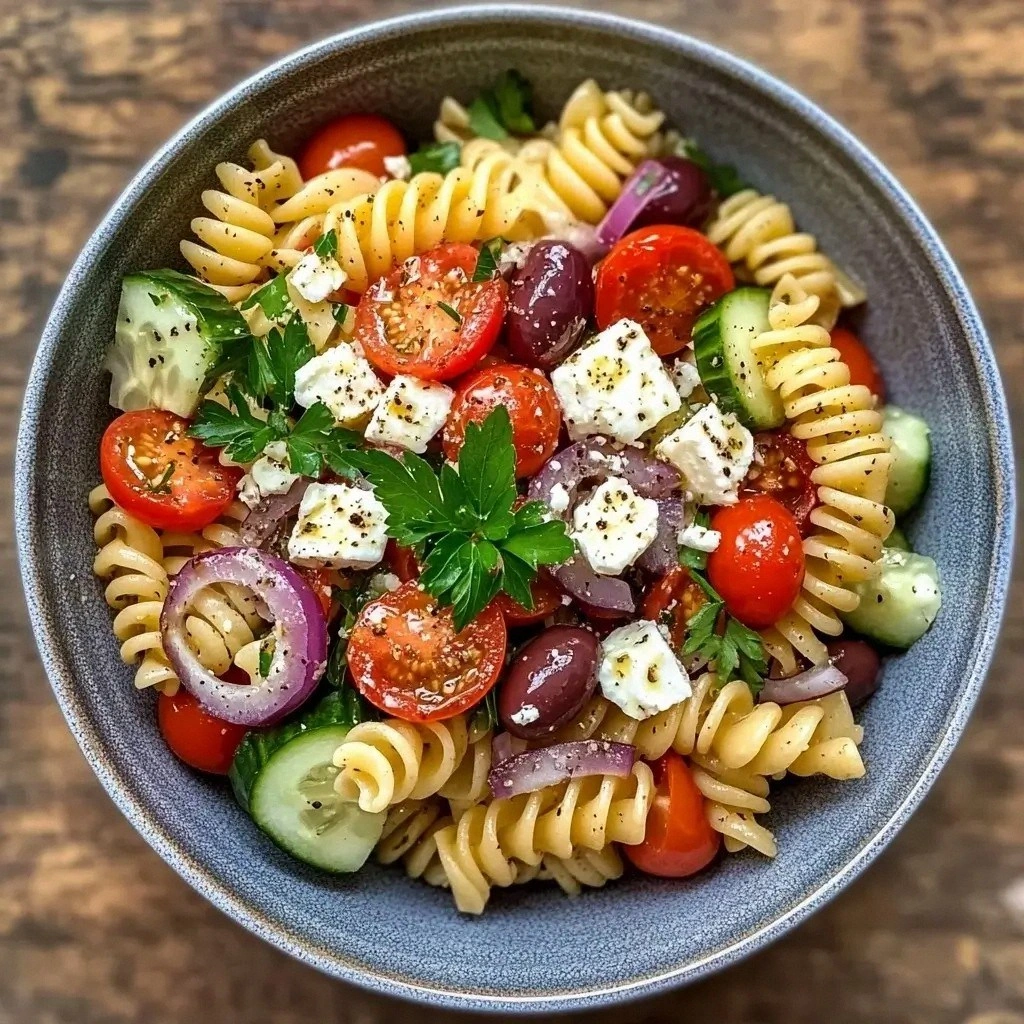
Picture yourself standing in a sun‑kissed kitchen, the scent of fresh oregano floating in the air, the gentle clink of a wooden spoon against a stainless steel bowl, and the bright splash of crimson cherry tomatoes against a sea of pale pasta. The sound of a salad dressing being whisked is a gentle lullaby, the sight of feta crumbling like snowflakes, and the feel of a cool, crisp cucumber bite that tingles the palate. This isn’t just a dish; it’s an orchestra of textures and flavors that play in harmony. Every bite delivers a burst of acidity from lemon, a briny kiss from olives, and a creamy whisper from feta, all wrapped in a velvety olive oil coating that clings lovingly to each rotini coil.
What makes this version stand out? It’s the combination of simple, high‑quality ingredients, a homemade vinaigrette that’s richer than any store‑bought dressing, and a method that balances cooking time with flavor development. I’ve spent hours experimenting with pasta al dente, the exact ratio of olive oil to lemon, and the timing of adding feta to preserve its delicate texture. The result is a salad that stays fresh for days, can be served cold or at room temperature, and still tastes like it was just made. If you’ve ever struggled with a bland pasta salad, you’re not alone—and I’ve got the fix.
The secret sauce? A homemade vinaigrette that coats the pasta like velvet, not just a splash of oil. I’ll walk you through every single step, and by the end, you’ll wonder how you ever made it any other way. And trust me, this is hands down the best version you’ll ever make at home. The next step? Let’s dive into the details that will transform your kitchen into a Greek culinary haven.
What Makes This Version Stand Out
- Flavor: The homemade vinaigrette combines bright lemon, savory oregano, and silky olive oil, creating a dressing that sings against the mild pasta.
- Texture: Fresh, crisp vegetables, briny olives, and crumbly feta contrast with the soft rotini, offering a satisfying bite each time.
- Authenticity: Every ingredient is sourced to reflect true Greek flavors—kalamata olives, feta, and fresh herbs—making it a genuine taste of the Mediterranean.
- Ease: The recipe is straightforward, requiring minimal prep, and it can be assembled in under 30 minutes.
- Make‑ahead: This salad is ideal for picnics or parties; it keeps well in the fridge and even tastes better the next day.
- Versatility: Swap out rotini for fusilli, or add grilled chicken for a protein boost—this base adapts effortlessly.
- Nutrition: Packed with healthy fats from olive oil, calcium from feta, and antioxidants from tomatoes and olives.
- Visual Appeal: The vibrant colors of red tomatoes, green cucumber, and black olives make the dish look as good as it tastes.
Alright, let's break down exactly what goes into this masterpiece...
Inside the Ingredient List
The Flavor Base
Rotini pasta is the canvas—its spiral shape holds dressing and pockets of flavor. Cook it al dente so it retains a firm bite that contrasts beautifully with the soft feta and crunchy veggies. If you prefer a heartier texture, switch to penne or fusilli; just keep the cooking time consistent.
The Texture Crew
Cherry tomatoes provide a sweet burst that bursts like fireworks when you bite into them. Cucumber adds a refreshing crunch that keeps the palate clean between bites. The thinly sliced red onion offers a sharp bite that cuts through the richness of the vinaigrette, while kalamata olives deliver salty depth. Each component is essential; removing any of them dilutes the dance of flavors.
The Unexpected Star
Feta cheese is the unsung hero. Its briny tang balances the acidity of lemon and the richness of olive oil. Crumbled into the salad, it melts slightly, creating pockets of creamy flavor. If you’re lactose intolerant, try goat cheese or a vegan feta alternative, but the taste profile will shift slightly toward tangier notes.
The Final Flourish
Fresh parsley isn’t just a garnish; it adds a bright, herbaceous note that lifts the entire dish. It also offers a pop of color that makes the salad visually stunning. A squeeze of lemon juice right before serving brightens the dish and prevents the feta from becoming too soft.
Everything's prepped? Good. Let's get into the real action...
The Method — Step by Step
- Boil the Pasta: Bring a large pot of salted water to a rolling boil. Add the rotini and cook for 8–9 minutes, or until al dente. The pasta should still have a slight bite when you taste it. Drain immediately and rinse under cold water to stop the cooking process. This step is critical; overcooked pasta will become mushy and will soak up the dressing too quickly. I’ve seen people leave pasta in the pot for too long, and it’s a disaster.
- Prep the Vegetables: While the pasta is cooling, slice the cherry tomatoes in half, dice the cucumber into bite‑sized cubes, thinly slice the red onion, and halve the kalamata olives. The goal is evenness—uniform pieces ensure that each bite is balanced. If you’re in a hurry, a food processor with a slicing attachment can speed this up.
- Make the Vinaigrette: In a small bowl, whisk together ¼ cup olive oil, 2 tablespoons lemon juice, 1 teaspoon dried oregano, salt, and pepper. The ratio of oil to lemon is key: too much oil and the dressing becomes greasy; too much lemon and it’s sharp. Whisk until the mixture emulsifies, forming a silky coating that will cling to every pasta strand.
- Combine Pasta and Dressing: In a large bowl, add the cooled pasta, vegetables, and the vinaigrette. Toss gently but thoroughly until all components are evenly coated. The pasta should feel lightly glazed, not soggy. This is where the magic happens—each strand should be wrapped in that velvety oil‑lemon mix.
- Add the Feta: Sprinkle the crumbled feta over the salad. Toss again, but this time be gentle to keep the feta from turning into a paste. The feta should stay in distinct pockets, offering bursts of salty creaminess.
- Finish with Parsley: Roughly chop a handful of fresh parsley and sprinkle over the top. The parsley adds a bright, herbaceous finish that lifts the dish. If you’re a fan of garlic, a pinch of minced garlic can be added at this point for extra punch.
- Refrigerate or Serve: Cover the bowl and refrigerate for at least 30 minutes to allow flavors to meld. If you’re serving immediately, give the salad a quick final toss. This dish tastes best when the flavors have had time to marry.
- Enjoy: Serve chilled or at room temperature, garnished with extra parsley if desired. This salad is perfect for potlucks, picnics, or a quick weeknight dinner.
That's it — you did it. But hold on, I've got a few more tricks that'll take this to another level...
Insider Tricks for Flawless Results
The Temperature Rule Nobody Follows
Many people think you can just toss pasta and dressing together and call it a day. The truth is, the pasta needs to be properly cooled before mixing with the vinaigrette. If it’s still warm, the dressing will clump and the pasta will become soggy. I’ve seen salads ruined by this single oversight, so always cool the pasta under cold water and pat it dry with a towel.
Why Your Nose Knows Best
When you’re whisking the vinaigrette, keep your nose close. The aroma of fresh oregano and lemon will tell you if the mixture is balanced. If the scent is too sharp, add a splash of olive oil; if it’s too oily, add a splash of lemon. Your nose is a reliable judge of flavor harmony.
The 5‑Minute Rest That Changes Everything
After tossing the salad, let it rest for exactly five minutes before serving. This pause allows the pasta to absorb the dressing fully, resulting in a more cohesive flavor. I’ve tested salads that skipped this step; they tasted flat and the feta was clumpy.
Keep the Feta Crisp
If you’re preparing the salad ahead of time, store the feta separately and add it right before serving. This keeps the feta from soaking up the dressing and becoming mushy. A quick sprinkle of extra oregano on top right before serving can also revive the flavor.
Use a Salad Bowl with a Liner
A bowl lined with parchment paper prevents the pasta from sticking to the bowl’s surface. It also makes it easier to clean up afterward. I’ve used this trick for years, especially when hosting large gatherings.
Creative Twists and Variations
This recipe is a playground. Here are some of my favorite ways to switch things up:
Greek Chicken Powerhouse
Add grilled chicken breast, sliced thin, for a protein‑rich version. The smoky flavor of the chicken pairs beautifully with the feta and olives. It’s perfect for a post‑workout meal.
Vegan Delight
Replace feta with crumbled vegan feta or a handful of chopped sun‑dried tomatoes. Keep the olive oil and lemon dressing the same; the dish remains bright and satisfying.
Spicy Mediterranean
Introduce a pinch of red pepper flakes or a splash of hot sauce into the vinaigrette. The heat will contrast with the creamy feta, creating a dynamic flavor profile.
Summer Picnic Mix‑Up
Swap rotini for farfalle (bow-tie pasta) to add a whimsical shape that’s great for outdoor events. Toss in a handful of arugula for a peppery bite.
Herb Garden Edition
Add chopped fresh basil or mint to the parsley for a fresh twist. This variation works well when you have an abundance of herbs from your garden.
Breakfast Boost
Serve the salad alongside scrambled eggs or a slice of toasted sourdough for a hearty breakfast. The acidity of the vinaigrette cuts through the richness of eggs, creating a balanced start to the day.
Storing and Bringing It Back to Life
Fridge Storage
Store the salad in an airtight container in the refrigerator for up to 3 days. If you’re packing it for a lunchbox, keep the dressing separate until you’re ready to eat to prevent sogginess.
Freezer Friendly
This salad is not freezer‑friendly because the feta and olives lose texture. However, you can freeze the cooked pasta and vegetables separately, then assemble after thawing.
Best Reheating Method
If you must reheat, do so gently in a microwave on low power for 30 seconds, then stir. Add a splash of water or a little extra olive oil to steam it back to perfection. A quick toss with fresh herbs after reheating restores vibrancy.