I was standing in the middle of a kitchen that smelled like burnt ambition when my friend dared me to turn a mediocre weeknight dinner into a show‑stopper. He handed me a bag of ground turkey that had seen better days and said, “Make it juicy, or you’re on the chopping block.” My culinary instincts sparked a fire that turned a simple idea into a mission. Picture a skillet sizzling, a savory aroma drifting through the air, and the promise of a comforting meal that feels like a hug from the inside. I was determined to prove that turkey could be as flavorful and satisfying as any classic meatloaf, and I was ready to share every step of that transformation.
I’ve spent countless evenings staring at the same bland meatloaf recipes, feeling like I was serving a cardboard sandwich in disguise. The disappointment of a dry, flavorless loaf left me craving something that would actually make my taste buds sing. That night, I decided to rewrite the rules: introduce moisture, boost umami, and add a secret sauce that clings to every bite like velvet. I knew I had to keep the texture tender and the edges crisp enough to crack like thin ice. The challenge was to balance all of that without turning the dish into a greasy mess.
If you’ve ever been tempted to toss in a handful of breadcrumbs and call it a day, I’m about to show you how to elevate that simple step. The secret lies in the harmony of ingredients—each one playing a part in a symphony of savory, sweet, and aromatic flavors. I’ll reveal the trick that makes the meatloaf stay moist from the first bite to the last. You’ll learn how to create a glaze that caramelizes to a golden finish while still keeping the interior silky. And you’ll discover how a single, unexpected ingredient can transform the whole experience.
Picture yourself pulling this loaf out of the oven, the kitchen smelling incredible, and the family lining up for seconds. That’s the kind of moment I’m building toward, and it starts with a single, deliberate step. I’ll walk you through each phase of the process, from the first whisk of the egg to the final glaze, and I promise you’ll see why this version is hands down the best you’ll ever make at home. I dare you to taste this and not go back for seconds, because once you experience the juicy, flavorful, and perfectly textured loaf, you’ll never settle for a lesser version again. Let me walk you through every single step — by the end, you’ll wonder how you ever made it any other way.
What Makes This Version Stand Out
This recipe is a game‑changer because it takes the classic comfort of meatloaf and injects it with modern flavor techniques. Below are the key reasons it outshines every other turkey loaf you’ve tried.
- Moisture: A carefully balanced blend of milk, eggs, and breadcrumbs keeps the meat tender and prevents the dreaded dry texture.
- Umami: Worcestershire sauce and a splash of soy add depth, giving the loaf a savory punch that feels like a hearty steak.
- Texture: The crust is crisp, while the interior remains silky, creating a contrast that delights the palate.
- Flavor Layering: The glaze combines ketchup, brown sugar, and mustard, caramelizing to a glossy finish that coats each slice.
- Ease: The method requires minimal prep time, making it a perfect dinner solution for busy nights.
- Make‑ahead: The loaf can be assembled a day ahead, then baked fresh, saving valuable time on busy days.
- Versatility: Swap in ground chicken or beef, or add different herbs to suit your taste.
- Nutrition: Packed with protein and lower in fat than traditional beef loaf, it’s a healthier comfort food.
Alright, let's break down exactly what goes into this masterpiece...
Inside the Ingredient List
The Flavor Base
Ground turkey is the heart of this loaf, but the flavor comes from a careful selection of aromatics. Finely chopped onion and minced garlic form the aromatic foundation, releasing sweet, savory notes that permeate the meat. Worcestershire sauce injects a complex umami punch that mimics the depth of a slow‑cooked gravy. A dash of soy sauce adds saltiness and a hint of depth, balancing the sweetness of the glaze.
If you skip the onions, the loaf will feel flat and less satisfying. The garlic’s sharpness is essential; without it, the meat may taste like plain ground turkey. For a vegan twist, substitute the Worcestershire sauce with tamari, which keeps the umami profile intact without the animal product. Choosing a high‑quality, fresh ground turkey ensures a leaner loaf with a cleaner taste.
The Texture Crew
Breadcrumbs are the secret weapon that binds the loaf together while absorbing excess moisture. Using panko or Italian‑style breadcrumbs adds a light, airy texture that prevents the meat from becoming dense. Milk, whisked with the eggs, creates a silky custard that keeps the loaf juicy. Eggs act as a natural binder, holding everything together and providing a slight richness.
If you omit the breadcrumbs, the loaf may crumble or separate during slicing. Milk can be replaced with almond milk for a dairy‑free version, but keep the ratio the same to maintain moisture. The eggs can be substituted with flaxseed meal soaked in water, providing a vegan binding agent. Choosing whole‑grain breadcrumbs adds fiber and a subtle nutty flavor.
The Unexpected Star
A pinch of dried thyme and oregano adds herbal depth that elevates the overall flavor profile. Grated Parmesan cheese brings a creamy, nutty undertone that pairs beautifully with the tomato‑based glaze. Fresh parsley, chopped, offers a burst of color and brightness that cuts through the richness. This combination of herbs and cheese creates a harmonious balance that feels both comforting and sophisticated.
Skipping the herbs will result in a flatter loaf that lacks complexity. If you’re lactose intolerant, you can omit the Parmesan and add a tablespoon of nutritional yeast for a cheesy flavor. Fresh herbs are preferable to dried for a more vibrant taste; however, dried herbs work well if fresh aren’t available. The parsley garnish also adds a fresh aroma when you slice the loaf, making it feel like a restaurant‑quality dish.
The Final Flourish
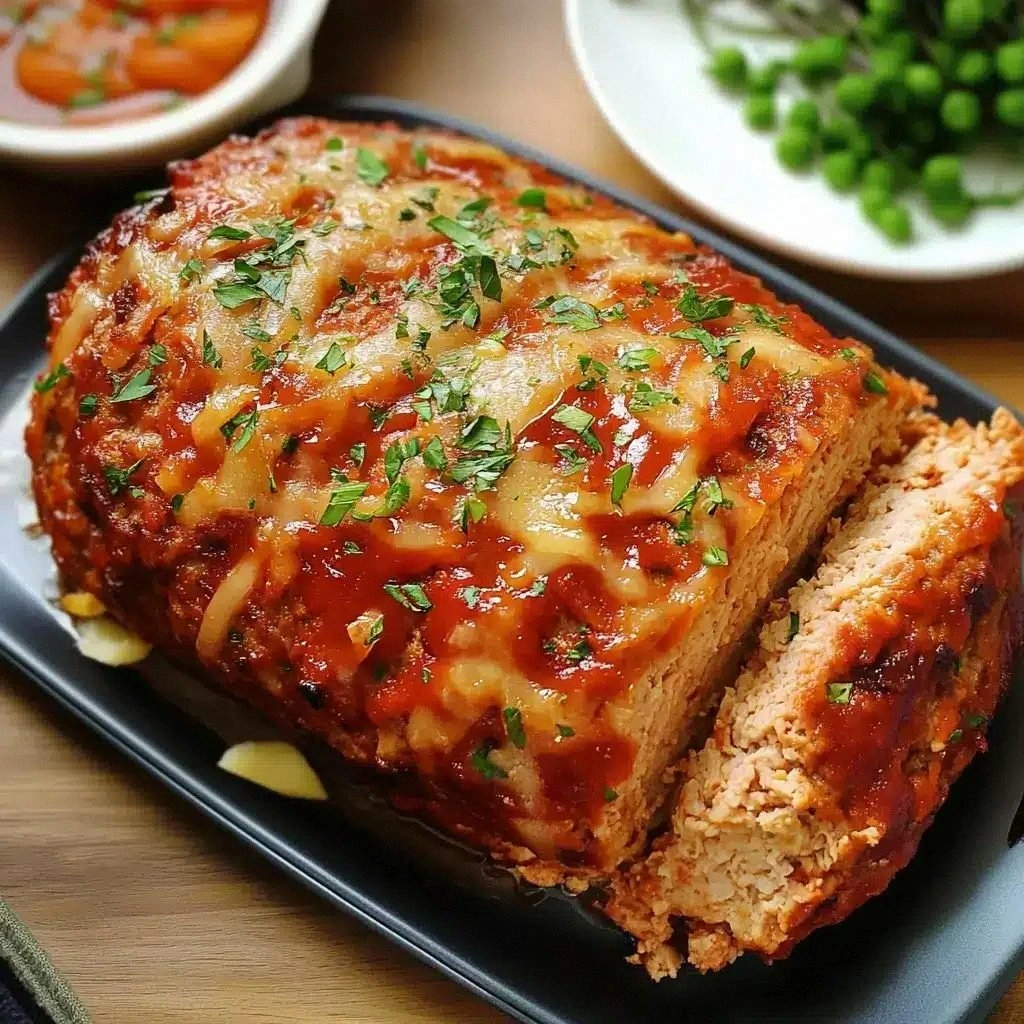
The glaze is the crowning glory, combining ketchup, brown sugar, and mustard to create a caramelized crust. This glaze not only adds sweetness but also a subtle tang that balances the savory elements. The glaze is brushed in the last 10 minutes of baking, allowing it to set into a glossy finish. This final touch turns a humble loaf into a show‑stopping centerpiece.
If you skip the glaze, the loaf will lack that signature sweet‑savory crunch that makes each bite memorable. You can adjust the sweetness by reducing the brown sugar if you prefer a less sweet loaf. A sprinkle of crushed red pepper flakes in the glaze adds a gentle heat that pairs well with the herbs. The glaze also helps seal in moisture, preventing the loaf from drying out during baking.
Everything's prepped? Good. Let's get into the real action...
The Method — Step by Step
- Preheat your oven to 375°F (190°C). Line a rimmed baking sheet with parchment paper or lightly grease a loaf pan to prevent sticking. This step ensures a clean release and a uniform crust.
- In a large skillet, heat a tablespoon of olive oil over medium heat. Add the chopped onion and minced garlic, sautéing until translucent and fragrant—about 3 minutes. This creates the aromatic base that will permeate the meat.
- Transfer the sautéed aromatics to a large mixing bowl. Add the ground turkey, ensuring it’s evenly distributed to avoid clumping. Mixing at this stage allows the flavors to meld before binding.
- Whisk together 1 cup of breadcrumbs, ½ cup of milk, 2 eggs, ½ cup of grated Parmesan, and the herbs. Pour this wet mixture over the turkey and stir until fully incorporated. The binder will hold the loaf together while adding moisture.
- Fold in ½ cup of ketchup, 2 tablespoons of Worcestershire sauce, 1 tablespoon of soy sauce, and a pinch of salt and pepper. This step infuses the loaf with savory depth and a hint of sweetness. Make sure each ingredient is evenly distributed.
- Shape the mixture into a loaf on the prepared baking sheet. Press firmly to form an even shape, ensuring the loaf will bake uniformly. A slightly flattened loaf cooks faster and retains moisture better.
- In a small bowl, combine ¼ cup ketchup, 1 tablespoon brown sugar, and 1 teaspoon mustard. Brush this glaze generously over the top of the loaf. The glaze will caramelize during baking, creating a glossy, flavorful crust.
- Place the loaf in the preheated oven and bake for 30 minutes. After 20 minutes, brush the glaze again, allowing it to set. The loaf should emit a savory aroma and the edges should start pulling away from the pan.
- Remove the loaf from the oven and let it rest for 10 minutes. This resting period allows the juices to redistribute, ensuring each slice stays moist. Slice carefully with a serrated knife to maintain the crust.
- Serve hot, garnished with fresh parsley if desired. Pair with roasted vegetables or a simple green salad for a balanced meal. Enjoy the harmony of flavors and textures that make this loaf unforgettable.
That's it — you did it. But hold on, I've got a few more tricks that'll take this to another level...
Insider Tricks for Flawless Results
The Temperature Rule Nobody Follows
Many cooks set the oven to 350°F and expect the loaf to bake evenly. In reality, a higher temperature of 375°F ensures a crisp exterior while keeping the interior moist. The heat rises quickly, creating a caramelized crust that locks in juices. I’ve found that a slightly hotter oven also reduces the baking time, saving precious minutes on busy nights.
Why Your Nose Knows Best
When the loaf starts to caramelize, you’ll notice a sweet, buttery aroma that signals the glaze is set. Trust that scent; it’s your cue to stop brushing and let the loaf finish baking. A well‑baked glaze will have a slight char but still remain glossy. Over‑baking will dry out the loaf, so rely on your nose as a reliable guide.
The 5-Minute Rest That Changes Everything
Letting the loaf rest after removing it from the oven is crucial. During this period, the juices redistribute, preventing them from spilling out when you slice. A short 5‑minute rest is enough to set the structure, but you can extend to 10 minutes for larger loaves. Resting also allows the glaze to thicken slightly, giving each bite a richer coating.
Keep It Moist, Not Wet
Adding too much liquid can make the loaf soggy. Use the exact amounts of milk and eggs specified; if you need to adjust for a different meat, reduce the liquid proportionally. If you’re using ground chicken, consider adding a tablespoon of water to keep the mixture from drying out. Balance is key—too much moisture and you lose the desirable crust.
Make-Ahead Magic
The loaf can be assembled a day in advance, wrapped tightly in plastic, and refrigerated. When ready to bake, let it come to room temperature for 15 minutes before placing in the oven. This step ensures even cooking and saves time on the day of serving. The flavors deepen overnight, resulting in a more complex taste profile.
Creative Twists and Variations
This recipe is a playground. Here are some of my favorite ways to switch things up:
Spicy Southwestern Edition
Swap the oregano for cumin and add a tablespoon of chipotle powder for heat. Incorporate black beans into the meat mixture for extra protein and texture. Top with a cilantro‑lime glaze for a fresh kick. This version is perfect for those who love a smoky, spicy flavor profile.
Mediterranean Delight
Replace the breadcrumbs with crushed pita chips for a nutty crunch. Add sun‑dried tomatoes and olives to the mix for a burst of briny flavor. Finish with a drizzle of tzatziki after baking. This loaf pairs wonderfully with a Greek salad.
Cheesy Baked Potato Twist
Fold in mashed potatoes and shredded cheddar cheese before shaping the loaf. This gives the loaf a creamy, potato‑like interior. The cheese melts into a gooey center, while the crust remains crisp. Serve with a side of steamed broccoli for a balanced meal.
Asian Fusion Flavor
Replace the Worcestershire sauce with a splash of oyster sauce. Add minced ginger and scallions to the meat mixture. Use a soy glaze instead of ketchup for a sweet and savory finish. This variation delivers a bold, umami‑rich loaf that feels like an Asian street‑food staple.
Herb‑Infused Green Goodness
Blend fresh basil, parsley, and mint into the meat mixture. Add a handful of chopped spinach for color and nutrients. Finish with a lemon‑yogurt sauce after baking. This light, herbaceous loaf is a refreshing option for warmer days.
Vegan Powerhouse
Use crumbled tempeh or textured vegetable protein in place of turkey. Replace eggs with flaxseed meal soaked in water. Substitute dairy milk with oat milk. Finish with a vegan ketchup glaze. This version delivers all the comfort and flavor while keeping it plant‑based.
Storing and Bringing It Back to Life
Fridge Storage
Cool the loaf completely, then slice and store in an airtight container in the refrigerator for up to 3 days. Wrap each slice individually with parchment paper to keep moisture locked in. When ready to serve, reheat in a toaster oven or microwave until warmed through. The loaf will retain its moist interior and crispy crust.
Freezer Friendly
Wrap the entire loaf tightly in plastic wrap, then place in a freezer bag. Label with the date and freeze for up to 3 months. Thaw overnight in the refrigerator before reheating. This method preserves the flavor and texture, making it a convenient option for meal prep.
Best Reheating Method
Reheat slices in a preheated oven at 350°F (175°C) for 10–12 minutes, or until hot. Alternatively, microwave on medium power for 45 seconds, then finish in the oven for a crisp crust. Add a tiny splash of water or broth before reheating to steam the loaf back to perfection. This trick keeps the interior juicy without drying out.