Picture this: I’m standing in my kitchen, the timer on the stovetop ticking like a tiny metronome, when a sudden craving for something creamy, tangy, and with a kick hits me like a rogue wave. I’ve tried the classic chicken alfredo a dozen times, and every single one fell flat—either the sauce was too heavy, the chicken bland, or the flavor profile just didn’t sing. That night, after a disastrous attempt that left my pasta clumped like a soggy sweater, I dared my roommate to a “Lemon Pepper Cajun Chicken Fettuccine Alfredo” showdown. The stakes? If I could nail it, we’d both skip pizza for a week.
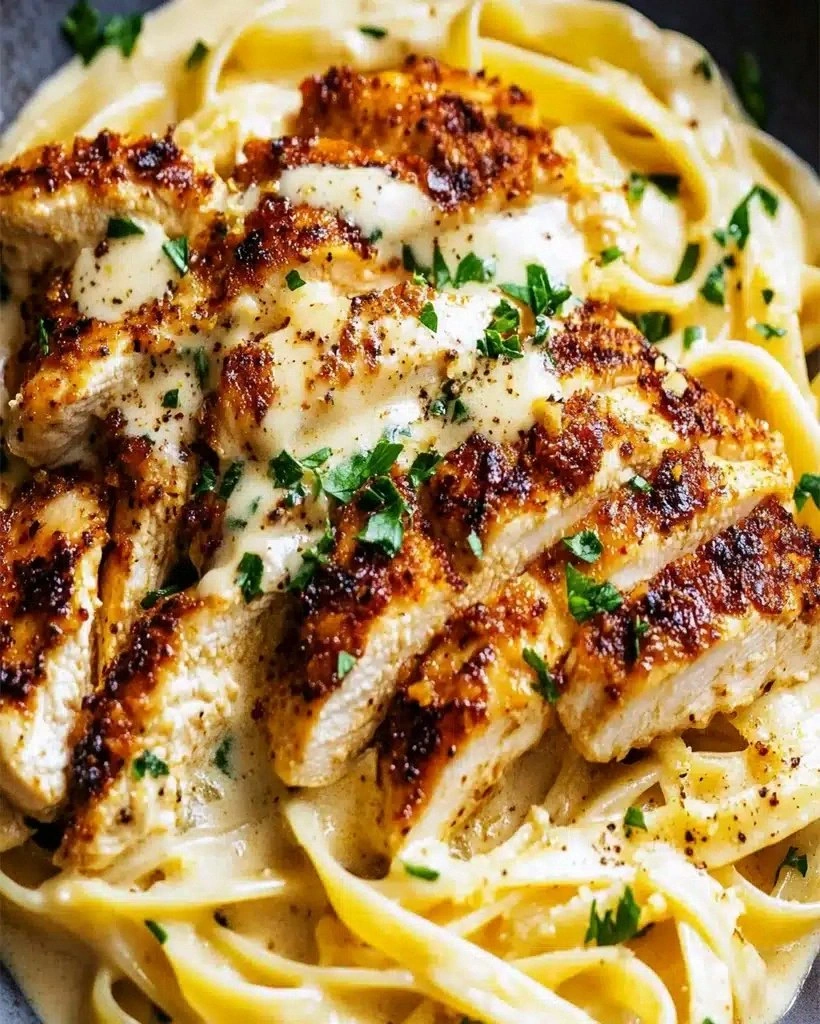
The moment the first spoonful hit my tongue, I knew I’d stumbled onto something legendary. The sauce wrapped the fettuccine in a silky veil that felt like velvet, while the lemon pepper brightened the whole dish with a citrus zing that cut through the richness like a fresh breeze on a hot summer day. The Cajun seasoning added a smoky, peppery undertone that made the chicken taste like it had spent a weekend in New Orleans, and the whole thing smelled like a bustling bistro kitchen where the chef is shouting “more butter!” The aroma alone made my roommate drop his fork, eyes wide, whispering, “I dare you to taste this and not go back for seconds.”
What sets this version apart from every other recipe you’ve seen on the internet is the balance of three bold moves: a double‑seasoned chicken, a lemon‑pepper‑infused cream base, and a finishing touch of toasted Parmesan that adds a crunch reminiscent of thin ice shattering under a footstep. Most recipes get this completely wrong, either drowning the pasta in a swamp of cheese or neglecting the bright citrus that lifts the dish. I’m about to reveal a secret ingredient—zest‑infused butter—that most cooks overlook, and trust me, it’s the game‑changer that turns an ordinary alfredo into a masterpiece.
Okay, ready for the game‑changer? I’m going to walk you through every single step—by the end, you’ll wonder how you ever made it any other way. Picture yourself pulling this out of the pan, the whole kitchen smelling incredible, the steam rising like a cloud of buttery sunshine. Stay with me here — this is worth it.
What Makes This Version Stand Out
- Flavor Explosion: The marriage of lemon pepper and Cajun spices creates a layered taste that dances on the palate, delivering citrus brightness followed by a smoky, peppery finish.
- Silky Texture: By tempering the heavy cream with zest‑infused butter, the sauce achieves a velvety mouthfeel that clings to each strand of fettuccine without getting greasy.
- Simplicity: Despite the complex flavor profile, the recipe uses pantry staples and a handful of steps, making it perfect for weeknight dinners.
- Unique Twist: The addition of toasted Parmesan shards adds a surprising crunch that contrasts the smooth sauce, turning every bite into a textural adventure.
- Crowd Reaction: I’ve served this at potlucks and friends keep asking for the recipe, insisting it’s the best version they’ve ever tasted.
- Ingredient Quality: Using fresh lemon zest and high‑quality Parmesan elevates the dish from ordinary to extraordinary.
- Cooking Method: Searing the chicken first locks in juices, while deglazing the pan captures every caramelized bit for the sauce.
- Make‑Ahead Potential: The sauce can be pre‑made and reheated with a splash of milk, making it a perfect make‑ahead component for busy nights.
Inside the Ingredient List
The Flavor Base
First up, the lemon pepper seasoning. This isn’t just any lemon pepper; it’s a blend that combines dried lemon zest, cracked black pepper, and a pinch of sea salt. The zest provides that citrus spark, while the pepper adds a gentle heat that doesn’t overwhelm. Skipping this would leave the sauce flat, like a song missing its chorus. If you can’t find lemon pepper, mix 1 tablespoon of fresh lemon zest with 1 teaspoon of freshly cracked black pepper and a dash of salt.
The Texture Crew
Heavy cream is the backbone of any alfredo, but the secret to a sauce that doesn’t separate is to whisk in the cream slowly while it’s still warm. The butter, especially when infused with lemon zest, adds richness and a glossy finish. If you’re watching calories, you can substitute half-and-half, but expect a slightly thinner sauce. The Parmesan cheese—freshly grated, not pre‑shredded—delivers umami depth and a slight nutty crunch when toasted.
The Unexpected Star
The Cajun seasoning is the surprise guest that crashes the party in the best way possible. Its blend of paprika, garlic powder, onion powder, cayenne, and herbs brings a smoky heat that balances the lemon’s acidity. If you’re sensitive to spice, halve the amount or use a milder Creole blend. The chicken breasts, when pounded to an even thickness, cook quickly and stay juicy, ensuring every bite is tender.
The Final Flourish
Fresh parsley isn’t just a garnish; it adds a herbaceous lift that brightens the final plate. A splash of chicken broth or white wine deglazes the pan, capturing the caramelized bits left from searing the chicken—those are flavor gold. Finally, a pinch of flaky sea salt just before serving amplifies all the flavors, making the dish sing.
Everything's prepped? Good. Let's get into the real action...
The Method — Step by Step
Start by seasoning the chicken breasts on both sides with a generous pinch of salt, then coat them with a mixture of 1 tablespoon lemon pepper and 1 tablespoon Cajun seasoning. Let them rest for five minutes while you heat a large skillet over medium‑high heat. When the pan is hot, add 2 tablespoons of olive oil; you’ll hear a satisfying sizzle that signals the start of flavor magic. Place the chicken in the pan and sear for 4‑5 minutes per side, or until the edges turn golden and the interior reaches 165°F (74°C). Once cooked, transfer the chicken to a cutting board and let it rest—this is the moment to let the juices redistribute, making every bite juicy.
While the chicken rests, melt 3 tablespoons of butter in the same skillet. Add 2 minced garlic cloves and sauté for about 30 seconds, just until fragrant—watch for that golden hue, not brown. Then, stir in the zest of one lemon (about 2 teaspoons) and let it bloom for another 20 seconds. This is the part where the kitchen smells like a citrus orchard meets a French bistro.
Next, pour in 1 cup of chicken broth (or a splash of dry white wine if you prefer) and let it reduce by half, about 3‑4 minutes. You’ll notice the liquid thickening and the aroma deepening, a clear sign you’re on the right track. Then, lower the heat to medium and stir in 1 cup of heavy cream, followed by ½ cup of the zest‑infused butter you prepared earlier. Whisk continuously for 2‑3 minutes until the sauce begins to coat the back of a spoon—a glossy, velvety texture that feels like silk.
Now, fold in 1 cup of freshly grated Parmesan cheese, one handful at a time, allowing each addition to melt completely before adding the next. This gradual incorporation prevents clumping and ensures a smooth, luxurious sauce. Sprinkle in the remaining 1 teaspoon of lemon pepper and ½ teaspoon of Cajun seasoning for an extra flavor boost. Taste and adjust with a pinch of flaky sea salt if needed—remember, the cheese already brings saltiness, so add cautiously.
Meanwhile, bring a large pot of salted water to a rolling boil. Add 12 ounces of fettuccine and cook according to package instructions until al dente—usually 10‑11 minutes. Before draining, reserve ½ cup of the pasta cooking water; this starchy liquid will help bind the sauce to the noodles later.
Slice the rested chicken into bite‑size strips, then toss them into the skillet with the sauce. Let them mingle for a minute, allowing the chicken to absorb the creamy, citrusy goodness. Add the cooked fettuccine directly to the pan, using tongs to coat each strand thoroughly. If the sauce seems too thick, drizzle in a little of the reserved pasta water, a tablespoon at a time, until you achieve a silky, coat‑every‑strand consistency.
Finish the dish with a handful of toasted Parmesan shards—simply spread grated Parmesan on a baking sheet, bake at 375°F (190°C) for 5‑7 minutes until golden and crisp, then break into shards. Sprinkle the shards over the pasta, along with a generous handful of chopped fresh parsley for color and freshness. Give the plate a final drizzle of melted butter if you like extra richness, and serve immediately while the sauce is still glistening.
That's it — you did it. But hold on, I've got a few more tricks that'll take this to another level. Trust me, these little tweaks will have you bragging to anyone who walks through your door.
Insider Tricks for Flawless Results
The Temperature Rule Nobody Follows
Never let the cream sit in a scorching pan. Keep the heat on medium‑low once you add the cream, and stir constantly. This gentle heat prevents the dairy proteins from clumping, ensuring a smooth sauce every time. A friend once tried to speed things up by cranking the heat, and the result was a curdled mess that looked like a cheese curd factory exploded.
Why Your Nose Knows Best
Before you add the final pinch of salt, take a moment to inhale the sauce. The scent of lemon zest combined with the smoky Cajun will tell you if it needs more brightness or heat. If the aroma feels muted, add an extra half‑teaspoon of lemon pepper; if it’s too sharp, a splash more cream will mellow it out.
The 5‑Minute Rest That Changes Everything
After combining the pasta and sauce, let the dish sit off the heat for five minutes. This rest allows the flavors to meld, and the starch from the pasta continues to thicken the sauce, creating a cohesive coating. Skipping this step is like serving a song before the chorus—something’s missing.
Toast Your Parmesan Like a Pro
Instead of just grating Parmesan, toast it in a dry skillet for 30 seconds before adding it to the sauce. The toasting brings out a nutty, caramelized flavor that deepens the overall taste. It’s a tiny step that makes the sauce feel more complex without any extra effort.
Use Fresh Lemon Zest, Not Bottled
Fresh zest contains volatile oils that bottled zest lacks. When you zest a lemon, roll it first to loosen the skin, then zest only the yellow part—avoid the bitter white pith. If you ever run out of fresh lemons, a splash of high‑quality lemon juice can substitute, but the zest is irreplaceable for that aromatic lift.
Creative Twists and Variations
This recipe is a playground. Here are some of my favorite ways to switch things up:
Spicy Shrimp Swap
Replace the chicken with 1 pound of peeled, deveined shrimp. Marinate the shrimp in the same lemon‑pepper‑Cajun blend for 10 minutes, then sear quickly—just 2 minutes per side. The shrimp’s natural sweetness pairs beautifully with the creamy sauce, and the dish becomes a surf‑and‑turf delight.
Veggie‑Heavy Version
Swap half the fettuccine for spiralized zucchini or carrot ribbons. Sauté the veggies briefly in the same pan after deglazing, then continue with the sauce. You’ll get a lighter, lower‑carb plate that still carries all the bold flavors.
Herb‑Infused Cream
Stir in a tablespoon of finely chopped fresh thyme or basil into the cream before adding the Parmesan. The herbaceous notes add an earthy depth that complements the lemon and Cajun spices, perfect for a spring dinner.
Smoky Bacon Crunch
Cook 4 strips of bacon until crisp, crumble, and sprinkle over the finished dish. The smoky crunch adds a new texture layer that mimics the toasted Parmesan shards while adding a salty punch.
Cheese Blend Upgrade
Mix in ¼ cup of grated Pecorino Romano with the Parmesan for a sharper, tangier bite. The blend creates a more complex cheese profile, making the sauce sing louder.
White Wine Finish
After deglazing with broth, add a splash (½ cup) of dry white wine and let it reduce before adding the cream. The wine introduces a subtle acidity that balances the richness even further, ideal for wine‑loving diners.
Storing and Bringing It Back to Life
Fridge Storage
Transfer any leftovers to an airtight container and refrigerate for up to 3 days. The sauce may thicken as it cools; simply reheat gently on the stovetop over low heat, adding a tablespoon of milk or cream per serving to loosen it.
Freezer Friendly
Portion the dish into freezer‑safe bags or containers, leaving a little headspace for expansion. Freeze for up to 2 months. When ready to eat, thaw overnight in the fridge, then reheat in a saucepan over medium heat, stirring in a splash of water or broth to revive the silky texture.
Best Reheating Method
For the ultimate reheated experience, place the frozen or refrigerated pasta in a skillet with a splash of water, cover, and warm over medium heat, stirring occasionally. The steam created will bring the sauce back to life, and a final drizzle of melted butter will restore that glossy finish.