Remember that night when the kitchen turned into a smoky battlefield? I was chasing a last‑minute dinner for a group of friends and, in a frantic rush, I tossed a handful of raw shrimp into a pan that was still hot from a forgotten steak. The shrimp came out charred, dry, and more rubber than seafood. I stared at the pan, feeling the sting of disappointment, and swore that I would never again let shrimp suffer that fate. That moment sparked a mission: to create a pan‑seared shrimp dish that would melt in your mouth, not in your regret.
The air was thick with the scent of garlic sizzling in olive oil, a citrus tang cutting through the steam, and the faint, earthy aroma of fresh herbs dancing in the heat. I could hear the gentle pop of shrimp as they kissed the pan, a satisfying crack that promised caramelized edges. My fingers tingled against the hot skillet, the heat radiating a comforting warmth that made the kitchen feel like a sanctuary. The first bite was a burst of briny sweetness, followed by a velvety sauce that coated the shrimp like a silk robe. The texture was a symphony of crisp edges and tender interiors, a contrast that made each mouthful a revelation.
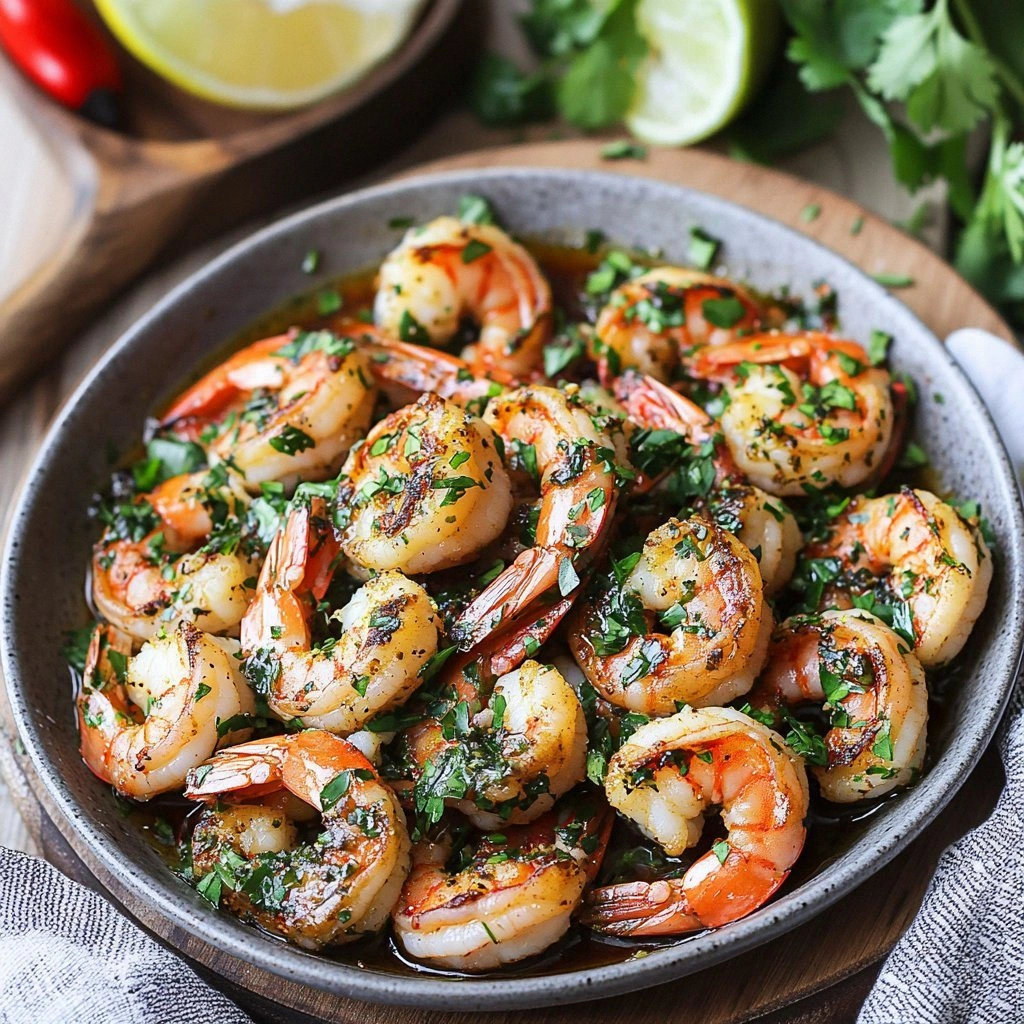
This version of pan‑seared shrimp is not just another recipe—it’s a culinary revelation that transforms a humble protein into a showstopper. The sauce is a bright chimichurri that layers parsley, cilantro, oregano, and a splash of red wine vinegar, creating a flavor profile that’s both herbaceous and zesty. The shrimp are seared to perfection, maintaining a juicy center while achieving a golden, slightly charred exterior. Unlike many recipes that rely on heavy butter or bland seasoning, this dish uses simple, high‑quality ingredients that let each component shine. The result? A dish that feels both sophisticated and comforting, ready to impress at any dinner table.
And there’s a twist you won’t expect—adding a whisper of lemon zest and a splash of fresh lemon juice elevates the chimichurri to a sparkling, citrusy finish that cuts through the richness of the shrimp. I dare you to taste this and not go back for seconds. If you’re ready for a flavor adventure that will have you saying, “This is hands down the best version you’ll ever make at home,” then let me walk you through every single step—by the end, you’ll wonder how you ever made it any other way.
What Makes This Version Stand Out
- Flavor: The chimichurri is packed with fresh herbs and a bright citrus lift, giving the shrimp a lively, herbaceous punch that cuts through the natural sweetness of the shellfish.
- Texture: A high‑heat sear locks in moisture, producing a tender interior while the exterior develops a caramelized crust that’s slightly crisp.
- Simultaneous Cooking: Shrimp and sauce are cooked together, allowing the flavors to mingle in real time for a depth that dry‑mixing can’t match.
- Visual Appeal: The vibrant green of the chimichurri against the pink shrimp creates a striking plate that’s Instagram‑ready.
- Time Efficiency: Prep is quick, and the entire dish comes together in under 45 minutes, making it perfect for weeknight dinners.
- Ingredient Quality: Using high‑quality olive oil, fresh herbs, and a splash of red wine vinegar ensures each bite is rich and authentic.
- Make‑Ahead Potential: The sauce can be prepared hours in advance, allowing the shrimp to cook fresh when you’re ready to serve.
- Crowd Reaction: Guests rave about the bright, herbaceous sauce and the juicy shrimp, making it a conversation starter at any gathering.
Alright, let’s break down exactly what goes into this masterpiece...
Inside the Ingredient List
The Flavor Base
The heart of this dish is the chimichurri sauce—a vibrant blend that balances herbaceous freshness with a subtle heat. Fresh parsley provides a bright, grassy note that lifts the entire sauce, while cilantro adds a citrusy undertone that keeps the flavor from feeling flat. Oregano contributes a warm, slightly peppery bite that grounds the bright herbs, preventing the sauce from becoming overly sharp. Together, these herbs create a harmonious flavor profile that complements the natural brininess of the shrimp.
Red wine vinegar is the acid that gives the sauce its bright snap. It cuts through the richness of the shrimp and the olive oil, leaving a clean finish that encourages diners to keep coming back for more. A splash of lemon juice and zest further amplifies the acidity, adding a fresh, zesty brightness that keeps the sauce lively and prevents it from becoming cloying. If you’re looking for a slightly sweeter twist, a drizzle of honey or agave can be added, but be careful not to overpower the herbs.
The olive oil serves as the medium that carries the herbs and acid through the pan. Opt for a high‑quality extra‑virgin olive oil with a robust flavor; it will add depth and a silky mouthfeel to the sauce. If you’re sensitive to the oil’s pungency, a light neutral oil can be used, but you’ll lose some of the sauce’s character.
The Texture Crew
Shrimp are the star of this dish, and their texture hinges on proper handling. Choose large, fresh shrimp that are firm to the touch and have a slightly translucent center. Pat them dry before seasoning; moisture on the surface will create steam and prevent a crisp sear. Season the shrimp with a simple blend of sea salt and freshly ground black pepper; this brings out the natural sweetness without masking the herbs.
The garlic, minced finely, releases a mellow, sweet aroma when sautéed. It’s crucial to let the garlic cook just until fragrant—over‑cooking turns it bitter and diminishes the sauce’s complexity. Red pepper flakes add a subtle heat that balances the herbaceousness; adjust the amount based on your spice tolerance. If you prefer a milder sauce, use only a pinch of flakes or omit them entirely.
Optional add‑ons like chopped red onion and scallions add a delicate crunch and a fresh, mild sweetness that contrast nicely with the smoky shrimp. Mint and basil can be swapped in for a different herbal note; both lend a fresh, aromatic quality that pairs wonderfully with citrus.
The Unexpected Star
A small splash of capers can introduce a briny burst that complements the shrimp’s natural flavor. Capers are not mandatory, but they add a depth of flavor that can elevate the dish. If you’re avoiding capers, a pinch of sea salt can fill the same role, providing a subtle brine that enhances the sauce’s complexity.
The use of lemon zest is a secret weapon. It’s not just about adding citrus; the zest’s essential oils bring a bright, aromatic note that lingers on the palate. The zest should be fresh—dried zest loses its potency quickly. The zest’s bright oils also help balance the richness of the olive oil and butter, creating a perfectly balanced sauce.
The Final Flourish
Finish the sauce with a squeeze of fresh lemon juice right before serving. This brightens the flavor profile and adds a final pop of acidity that keeps the dish from feeling flat. The lemon also helps to mellow the heat from the red pepper flakes, creating a well‑rounded flavor. If you’re serving the dish with a side of rice or crusty bread, the lemon will cut through the starch, making each bite more balanced.
Everything’s prepped? Good. Let’s get into the real action...
The Method — Step by Step
-
First, pat the shrimp dry with paper towels to remove excess moisture. Then, season them lightly with sea salt and freshly ground black pepper. Let them sit at room temperature for about 5 minutes; this short rest helps the seasoning penetrate the shrimp’s flesh. Keep the shrimp chilled until you’re ready to cook to prevent them from cooking too quickly when they hit the pan.
-
While the shrimp rest, whisk together the olive oil, lemon juice, red wine vinegar, minced garlic, red pepper flakes, and a pinch of sea salt in a medium bowl. Stir in the finely chopped parsley, cilantro, and oregano. Add the lemon zest and, if using, the chopped red onion and scallions. This mixture will be the sauce that will coat the shrimp and infuse them with flavor.
-
Heat a large, heavy‑bottomed skillet over medium‑high heat until it’s shimmering but not smoking. Add a splash of olive oil to coat the bottom of the pan. When the oil is hot, carefully arrange the shrimp in a single layer, making sure they aren’t touching. This ensures even searing and prevents steaming. Let the shrimp cook undisturbed for 2 minutes, then flip them with a tongs.
-
After flipping, cook the shrimp for an additional 2 minutes. The shrimp should be pink, opaque, and slightly caramelized on the edges. Watch the edges closely—they’ll start pulling away from the pan once they’re ready. If you’re cooking a larger batch, you may need to cook in two batches to avoid overcrowding.
-
Transfer the shrimp to a plate and tent them with foil to keep them warm. While the shrimp rest, reduce the heat to medium and pour the remaining chimichurri sauce into the same skillet. Stir to combine and let the sauce simmer for 2 minutes, allowing it to thicken slightly and the flavors to meld.
-
Return the shrimp to the skillet and toss them gently in the sauce until they’re well coated. Let the shrimp simmer in the sauce for an additional 30 seconds—this final touch warms the shrimp without overcooking them. The sauce should coat the shrimp like a glossy, herbaceous glaze.
-
Plate the shrimp on a warm platter, drizzle any remaining sauce over the top, and sprinkle with freshly chopped scallions for a burst of color and freshness. If desired, add a final squeeze of fresh lemon juice to brighten the dish even further. This step is optional but adds a layer of brightness that elevates the overall flavor.
-
Serve immediately with a side of crusty bread, grilled vegetables, or a simple rice pilaf. The warm, aromatic shrimp pairs beautifully with a light salad or a glass of chilled white wine. The dish is so versatile that it can be plated as an appetizer or a main course, depending on your appetite.
-
If you’re a fan of a little extra heat, sprinkle a pinch of cayenne pepper over the finished shrimp. This subtle kick will keep the dish lively without overpowering the delicate herbs. Remember, the goal is balance—each element should complement the others rather than compete.
-
Enjoy the moment of triumph as you taste the first bite—juicy shrimp, a vibrant green sauce, and a satisfying crunch from the caramelized edges. The flavors should sing together, and the texture should feel like a gentle, savory hug. This is the moment you’ll want to savor and share with your guests.
That’s it— you did it. But hold on, I’ve got a few more tricks that will take this to another level.
Insider Tricks for Flawless Results
The Temperature Rule Nobody Follows
Many cooks assume that medium heat is enough for shrimp, but the secret to a perfect sear lies in a high, consistent temperature. Heat the skillet until it shimmers just before adding the shrimp—this creates a quick crust that locks in moisture. If the skillet is too hot, the shrimp will brown too quickly and become rubbery; if it’s too cool, they’ll steam instead of sear. A simple test is to drop a small piece of shrimp into the oil; if it sizzles immediately, you’re ready.
Why Your Nose Knows Best
The aroma of garlic sizzling in olive oil is a reliable indicator that the oil is hot enough. If the garlic starts to brown and emit a nutty scent, the pan is at the right temperature. A subtle aroma of fresh herbs emerging from the sauce signals that the flavors are blooming. Trust your nose—it’s a seasoned chef’s best friend.
The 5-Minute Rest That Changes Everything
After the shrimp finish cooking, let them rest for 5 minutes before plating. This short rest allows the juices to redistribute, ensuring each bite is juicy rather than dry. If you skip this step, the shrimp will continue to cook from residual heat, potentially turning them overdone.
Use Fresh, Not Frozen
While frozen shrimp can be convenient, fresh shrimp offers a superior texture and flavor. Frozen shrimp often contains added preservatives that can affect the taste and mouthfeel. If you must use frozen, thaw them in cold water, pat dry, and season immediately to avoid excess moisture.
Don’t Skimp on the Herbs
The chimichurri’s brightness comes from the generous use of fresh herbs. Skimping on parsley or cilantro will result in a flat sauce. Use a good amount of each herb, and feel free to add a little extra oregano for depth. If you’re in a pinch, a handful of fresh basil can substitute for cilantro, giving a sweeter, milder flavor.
Finish with a Splash of Acid
A final squeeze of fresh lemon juice right before serving brightens the dish and cuts through the richness of the shrimp and oil. The acidity also helps to balance the heat from the red pepper flakes. If you prefer a sweeter finish, a drizzle of honey or agave can replace the lemon juice, but keep the quantity small to avoid overpowering the herbs.
Creative Twists and Variations
This recipe is a playground. Here are some of my favorite ways to switch things up:
Grilled Shrimp Version
Swap the skillet for a preheated grill. Skewer the shrimp and grill for 2 minutes per side. The smoky char adds a new dimension, and the chimichurri still coats the shrimp beautifully.
Citrus-Infused Shrimp
Add a tablespoon of orange zest to the sauce and replace half of the lemon juice with orange juice. The citrus blend gives the dish a sweet, fragrant twist that pairs well with a light salad.
Mushroom and Shrimp Fusion
Sauté sliced mushrooms in the skillet before adding the shrimp. The earthy flavor of the mushrooms complements the herbaceous sauce, creating a hearty, one‑pan meal.
Spicy Chipotle Variation
Replace red pepper flakes with finely chopped chipotle in adobo. The smoky heat adds depth and pairs wonderfully with the shrimp’s natural sweetness.
Vegetarian Chimichurri “Shrimp”
Use large, thick slices of portobello mushroom as the “shrimp.” Marinate them in the chimichurri for 15 minutes, then sear. The result is a meaty, herbaceous bite that satisfies any seafood craving.
Pasta with Chimichurri Shrimp
Toss the cooked shrimp and sauce with al dente linguine. The pasta absorbs the bright sauce, creating a cohesive, flavorful dish that’s perfect for a quick weeknight dinner.
Storing and Bringing It Back to Life
Fridge Storage
Store leftover shrimp and sauce separately in airtight containers. Keep the shrimp in a shallow container to avoid pooling liquid, and seal the sauce in a small jar. The shrimp can stay fresh for up to 2 days in the refrigerator.
Freezer Friendly
Freeze the shrimp in a single layer on a parchment‑lined tray before transferring to a freezer bag. The sauce can also be frozen, but it may separate slightly; stir well before use. Both can be kept for up to 3 months.
Best Reheating Method
To reheat, gently warm the shrimp in a skillet over low heat, adding a splash of water or broth to keep them moist. The sauce can be reheated in a small saucepan, stirring frequently, until it’s hot and glossy again. A tiny splash of water before reheating helps the sauce steam back to perfection.