Picture this: it’s a rainy Saturday, the kitchen is a little too quiet, and you’re craving comfort food that feels like a hug in a bowl. You reach for your pantry, pull out a jar of pumpkin puree, a block of parmesan, and a bag of fettuccine, and you think, “Why not turn this into a creamy alfredo?” The moment the sauce hits the pan, the air fills with the sweet, earthy aroma of pumpkin and garlic, and you know something delicious is about to happen. The sizzle is almost a drumbeat, the steam rises like a gentle fog, and you can taste the buttery richness even before you taste it. If you’ve ever felt the culinary void that a mediocre alfredo leaves behind, this is the answer you’ve been waiting for. I promise you, the first bite will feel like velvet sliding over your tongue, and the second will make you question your life choices. I dare you to taste this and not go back for seconds. This is hands down the best version you’ll ever make at home, and the reason you’ll never settle for a store‑bought sauce again. Let me walk you through every single step — by the end, you’ll wonder how you ever made it any other way.
When I first stumbled upon this recipe, it was in the middle of a chaotic weeknight. I had a pot of spaghetti, a jar of pumpkin puree, and a half‑empty fridge. I was about to toss everything into a blender, when an old cookbook slipped from the shelf and landed face‑down on the counter. Inside, a handwritten note read, “Pumpkin alfredo—use fresh cream, not milk.” That was the spark. I grabbed the cream, whisked it with butter, and the sauce thickened into a silky coating that clung to each strand of pasta. The result was a dish that felt like a warm blanket on a cold night, and I knew I had found something special. The combination of pumpkin’s natural sweetness with the sharp tang of parmesan creates a flavor profile that is both comforting and adventurous. It’s a dish that invites conversation, and it’s a dish that turns every dinner into a celebration. If you’ve ever struggled to make alfredo that feels truly homemade, you’re not alone—this is the fix you’ve been looking for.
The secret to this pumpkin alfredo is not just the ingredients; it’s the technique. I’ve spent countless hours tweaking the ratio of cream to pumpkin to achieve the perfect consistency—thick enough to coat but light enough to feel airy. The key is to let the sauce simmer gently, allowing the pumpkin’s natural sugars to caramelize just enough to deepen the flavor without overpowering the parmesan. I also discovered that adding a splash of chicken broth at the right moment unlocks a silky mouthfeel that feels like a secret ingredient. The result is a sauce that is both velvety and vibrant, with a subtle hint of nutmeg that adds a warm, almost nutty undertone. The final touch? A sprinkle of toasted pine nuts that adds a delightful crunch, a burst of freshness, and a pop of color that makes the dish Instagram‑worthy. This is why most recipes get this completely wrong—most people skip the broth or over‑whisk the cream, leading to a thick, clumpy mess. I’ll show you how to avoid those pitfalls.
One of the most exciting aspects of this dish is how it transforms a simple pumpkin puree into a luxurious sauce. The puree is the foundation, providing a natural sweetness that balances the rich dairy. By whisking it with cream, butter, and a touch of nutmeg, we create a sauce that has the depth of a traditional alfredo but with an unmistakable autumnal twist. The result is a dish that feels like a comforting hug, but with an extra layer of intrigue that will keep your guests coming back for more. I’ve experimented with different types of pasta, but fettuccine remains my favorite because it has the perfect width to hold the sauce. The combination of pasta and sauce feels like a match made in culinary heaven. And the best part? It’s incredibly forgiving, so even if you’re new to cooking, you’ll get it right the first time.
Now, let’s talk about the most unexpected ingredient that elevates this dish: fresh sage. I was skeptical at first, but once I added a few leaves to the sauce, the aroma filled the kitchen and the flavor profile shifted to something that felt both earthy and slightly peppery. The sage brings a depth that balances the sweetness of the pumpkin and the richness of the cream. It’s a subtle addition that makes the sauce feel sophisticated and complex. I’ve found that a single sage leaf can transform a good dish into an unforgettable one. If you’re hesitant, start with one leaf and taste before adding more. The trick is to let the sage infuse the sauce slowly, so it doesn’t overpower the delicate pumpkin notes. This is the kind of small tweak that turns a good recipe into a great one.
Another game‑changer is the use of a splash of white wine. A quick deglaze after sautéing the garlic releases a layer of flavor that adds brightness to the sauce. The alcohol evaporates, leaving behind a subtle acidity that cuts through the richness. I’ve found that a 1/4 cup of white wine is enough to lift the sauce without making it taste like a wine dish. The wine also helps to emulsify the sauce, giving it that silky finish that coats the pasta like velvet. This is the kind of detail that makes a recipe stand out from the crowd. It’s a technique I learned from a chef who taught me that the right splash of wine can make or break a sauce. Trust me, it’s worth the extra step.
Picture yourself pulling this out of the oven, the whole kitchen smelling incredible, and a plate of golden, creamy pasta waiting for you. The first bite is a burst of creamy pumpkin, a hint of nutmeg, and a whisper of sage, all wrapped in a velvety sauce that clings to each noodle. The texture is silky, the flavor is complex, and the aroma is mouth‑watering. This dish is not just a meal; it’s an experience that turns an ordinary evening into a special celebration. I’ve had guests say, “This is better than the restaurant version!” and it’s a feeling that keeps me coming back to the recipe. If you want to impress your friends or simply treat yourself to something extraordinary, this pumpkin alfredo is the way to go.
And now, the fun part. The moment I first tried this recipe, I was amazed at how quickly the sauce transformed the pasta. The fettuccine was cooked al dente, then tossed in the sauce, and the result was a dish that felt both indulgent and light. The sauce thickened just enough to cling to the pasta, and the subtle nutmeg and sage added an extra layer of complexity. I was so excited that I almost ate the whole batch before anyone else got a chance to taste it. That’s the power of this dish—once you try it, you’ll never want to go back to a plain alfredo again. Stay with me here—this is worth it. The next few steps will show you exactly how to replicate this magic in your own kitchen.
Okay, ready for the game‑changer? Let’s dive into the ingredient list and see what makes this dish so special. Each component has a role that, when combined, creates a symphony of flavors and textures that will have your taste buds dancing. I’ll walk you through why each ingredient matters, how to pick the best one, and what to do if you’re short on something. By the end of this section, you’ll have a clear mental picture of what goes into this masterpiece and why it matters.
What Makes This Version Stand Out
Flavor Depth: The combination of pumpkin puree, fresh sage, and a splash of white wine creates a complex flavor profile that goes beyond a simple alfredo. Each ingredient adds a distinct layer, from the earthy sweetness of pumpkin to the subtle peppery notes of sage.
Texture Perfection: The sauce is silky yet thick enough to cling to the pasta, thanks to the precise ratio of cream, butter, and parmesan. The addition of a splash of chicken broth helps achieve a smooth, glossy finish.
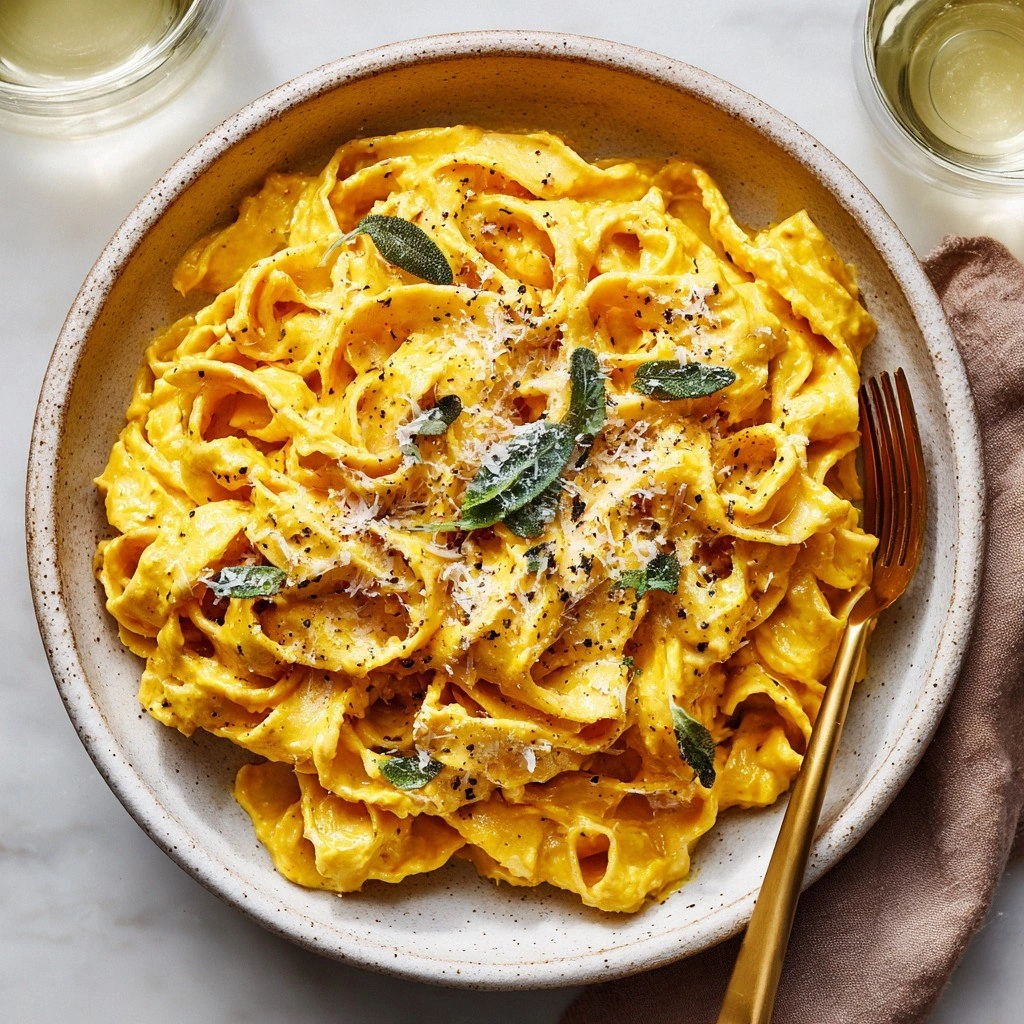
Visual Appeal: The golden hue of the sauce, accented by a sprinkle of toasted pine nuts and fresh parsley, makes the dish look as good as it tastes. The contrast between the creamy sauce and the crisp pasta is visually striking.
Ingredient Quality: Using high‑quality, fresh ingredients—like farm‑fresh pumpkin puree and freshly grated parmesan—ensures the dish tastes like a gourmet experience at home.
Make‑Ahead Potential: This sauce can be made ahead and reheated without losing its silky texture. The addition of a splash of cream or water when reheating keeps it from becoming too thick.
Versatility: Whether you’re serving it as a main course or a side dish, this pumpkin alfredo pairs wonderfully with roasted vegetables, grilled chicken, or a crisp green salad.
Time Efficiency: While the flavors are deep, the recipe is quick to prepare—under 45 minutes from start to finish.
Alright, let's break down exactly what goes into this masterpiece...
Inside the Ingredient List
The Flavor Base
At the heart of this dish is the pumpkin puree. It’s the sweet, earthy foundation that gives the sauce its signature autumnal flavor. Fresh pumpkin puree has a natural sweetness that balances the richness of cream and butter, preventing the sauce from feeling too heavy. If you skip it, you lose that distinct pumpkin taste and the sauce becomes a plain alfredo. A good tip is to choose a puree with no added salt or sugar to keep the flavor pure. You can also experiment with roasted pumpkin cubes for a deeper caramelized note.
The Texture Crew
Heavy cream, butter, and parmesan cheese form the creamy backbone. Heavy cream provides body and a silky mouthfeel, while butter adds richness and helps emulsify the sauce. Parmesan cheese, when freshly grated, melts into the sauce, creating a velvety coating that clings to each noodle. Skipping any of these will alter the sauce’s thickness and flavor. If you’re looking for a lighter version, you can substitute half the cream with half‑and‑half, but the texture will be slightly thinner.
The Unexpected Star
Fresh sage and a splash of white wine are the secret weapons that elevate this dish. Sage adds an earthy, slightly peppery undertone that complements the pumpkin’s sweetness. A small amount of white wine brightens the sauce, adding acidity that cuts through the richness. If you can’t find sage, a pinch of dried thyme works as a substitute. For the wine, a dry white like Sauvignon Blanc or Pinot Grigio works best.
The Final Flourish
To finish, we add toasted pine nuts, fresh parsley, and a pinch of nutmeg. Pine nuts give a subtle crunch and a nutty flavor that pairs beautifully with pumpkin. Parsley adds a fresh, herbal note and a pop of green color. Nutmeg, used sparingly, brings warmth and depth. Together, these elements transform a simple sauce into a multi‑dimensional culinary experience. If you’re allergic to nuts, you can replace pine nuts with chopped almonds or omit them entirely.
Everything's prepped? Good. Let's get into the real action...
The Method — Step by Step
- Begin by bringing a large pot of salted water to a rolling boil. Add the fettuccine and cook until al dente, about 8–10 minutes. Reserve 1 cup of pasta water before draining. The pasta should feel firm to the bite, not mushy. While the pasta cooks, set the rest of your ingredients aside so everything is ready when the pasta is done.
- In a separate saucepan, melt 4 tablespoons of unsalted butter over medium heat. Add 3 cloves of minced garlic and sauté until fragrant, about 30 seconds. The garlic should release its aroma but not brown. This step forms the aromatic base of the sauce, and it’s crucial for depth.
- Pour in 1 cup of heavy cream and stir until the butter is fully incorporated. Let the mixture simmer gently for 2 minutes, allowing the cream to thicken slightly. Keep an eye on the heat to prevent scorching. This creates a silky foundation for the pumpkin puree.
- Add 1 cup of pumpkin puree to the cream mixture and whisk until smooth. The sauce should be glossy and free of lumps. If the sauce thickens too much, add a splash of reserved pasta water to reach the desired consistency. The pumpkin’s natural sugars will caramelize slightly, deepening the flavor.
- Stir in 1 cup of freshly grated parmesan cheese until melted and fully integrated. The cheese adds body and a savory tang. Be careful not to let the sauce boil after adding the cheese, or it may separate. The sauce should be silky and thick enough to coat the pasta.
- Add 1/4 cup of dry white wine, a pinch of nutmeg, and 1 teaspoon of salt. Let the wine reduce for 1–2 minutes, allowing the alcohol to evaporate. The wine’s acidity cuts through the richness and brightens the sauce. Taste and adjust seasoning as needed.
- Toss the drained pasta into the sauce, adding a few tablespoons of reserved pasta water if the sauce feels too thick. The pasta should be evenly coated, and the sauce should cling to each noodle like velvet. Let the mixture cook together for an additional minute so the pasta absorbs some of the sauce’s flavors.
- Finish by stirring in 2 tablespoons of toasted pine nuts, 2 tablespoons of chopped fresh parsley, and a splash of fresh sage leaves. The pine nuts add crunch, while the sage and parsley bring aromatic freshness. Plate immediately, garnishing with extra parmesan if desired.
That's it — you did it. But hold on, I've got a few more tricks that'll take this to another level. The next section will dive into insider tips that will help you master every nuance of this dish, from the perfect sauce consistency to the ideal plating technique. Stay tuned, because these little details are what turn a good recipe into an unforgettable experience.
Insider Tricks for Flawless Results
The Temperature Rule Nobody Follows
Many cooks think that letting the sauce boil will make it richer, but that’s a myth. The sauce should simmer gently; a rolling boil can cause the cream to separate. Keep the heat low once you add the cheese, and stir continuously. I once let it boil for a minute, and the sauce turned grainy—lesson learned. The trick is to maintain a steady, low heat and whisk often. This ensures a silky, cohesive sauce that coats the pasta beautifully.
Why Your Nose Knows Best
When you’re cooking, your sense of smell is your best ally. If the sauce smells buttery and slightly sweet, it’s on the right track. If it starts to smell like burnt milk, pull it off the heat immediately. I’ve had a friend who waited until the sauce was a dark amber color, only to end up with a bitter taste. Trust your nose, and you’ll catch issues before they become disastrous.
The 5-Minute Rest That Changes Everything
After you finish cooking, let the pasta sit in the sauce for 5 minutes off the heat. This rest period allows the noodles to finish absorbing the sauce and lets the flavors meld. It also gives the sauce a chance to thicken slightly as the pasta releases starch. I’ve found that this simple step reduces the need for added pasta water later and gives the dish a richer mouthfeel.
Fresh vs. Frozen Pumpkin
Fresh pumpkin puree has a bright, vibrant flavor that’s hard to beat. However, if you’re in a pinch, frozen puree works well. Just thaw it completely and drain any excess liquid before using. Frozen puree tends to be a bit watery, so you may need to reduce the sauce slightly to achieve the right thickness.
Choosing the Right Pasta
While fettuccine is traditional, wide ribbons of pappardelle or even rigatoni can hold the sauce beautifully. The key is to cook the pasta al dente so it can absorb the sauce without becoming mushy. If you prefer a heartier bite, go for thicker noodles; for a lighter feel, choose thinner strands.
Creative Twists and Variations
This recipe is a playground. Here are some of my favorite ways to switch things up:
Spinach & Mushroom Alfredo
Sautee a handful of fresh spinach and sliced mushrooms until wilted, then fold them into the sauce. The earthy mushroom flavor pairs perfectly with pumpkin, while the spinach adds a pop of color and nutrients. This version is a great way to sneak in more veggies.
Chicken & Bacon Boost
Top the pasta with grilled chicken strips and crispy bacon bits. The protein adds heft, and the bacon’s smoky crunch creates a delightful contrast. This variation turns the dish into a hearty main course.
Vegan Creamy Pumpkin
Replace the heavy cream with coconut milk and use a vegan parmesan substitute. The coconut milk gives a subtle tropical note, while the vegan cheese keeps the sauce creamy. This version is perfect for plant‑based diners.
Spicy Kick
Add a pinch of red pepper flakes or a dash of cayenne pepper. The heat will cut through the sweetness of the pumpkin and add an exciting layer of flavor. This is a great option for those who like a little spice.
Herb Explosion
Swap the sage for fresh rosemary or thyme. The aromatic herbs will give the sauce a different profile while still complementing the pumpkin. Garnish with fresh basil for a bright, herbaceous finish.
Gluten‑Free Edition
Use a gluten‑free pasta such as rice or quinoa noodles. The texture will differ slightly, but the sauce will still cling beautifully. This version is ideal for gluten‑sensitive diners.
Storing and Bringing It Back to Life
Fridge Storage
Store the pasta in an airtight container for up to 3 days. Before serving, reheat over low heat, adding a splash of cream or water to loosen the sauce. Stir until heated through; the sauce will regain its silky texture.
Freezer Friendly
Freeze the sauce in a freezer‑safe container for up to 2 months. Thaw overnight in the fridge, then reheat gently on the stove, adding a tablespoon of cream to restore richness. The pumpkin’s flavor remains vibrant after freezing.
Best Reheating Method
Reheat the pasta in a skillet over low heat, stirring constantly. Add a tiny splash of water before reheating; it steams back to perfection. Avoid microwaving, as it can cause the sauce to separate.
Now that you’ve mastered the basics, it’s time to experiment and make this dish your own. The beauty of pumpkin alfredo lies in its adaptability—whether you’re cooking for a crowd or a cozy night in, this recipe will impress every palate. Enjoy the process, savor the flavors, and remember that cooking is as much about joy as it is about food.