I was standing in my kitchen on a rainy Tuesday, staring at a half‑cooked batch of store‑bought gnocchi that had turned into a soggy, sad heap on the counter. The rain outside was pounding like a drum, and my stomach was growling louder than the thunder. I dared my roommate to a challenge: “I’ll make something so good you’ll forget the weather ever existed.” Fast forward an hour, and I was wielding a bowl of pumpkin‑infused dough that smelled like autumn in a spice shop, while the butter and sage were sizzling like a tiny fireworks show. The moment the sauce hit the gnocchi, the kitchen filled with an aroma that made the rain feel like a distant memory.
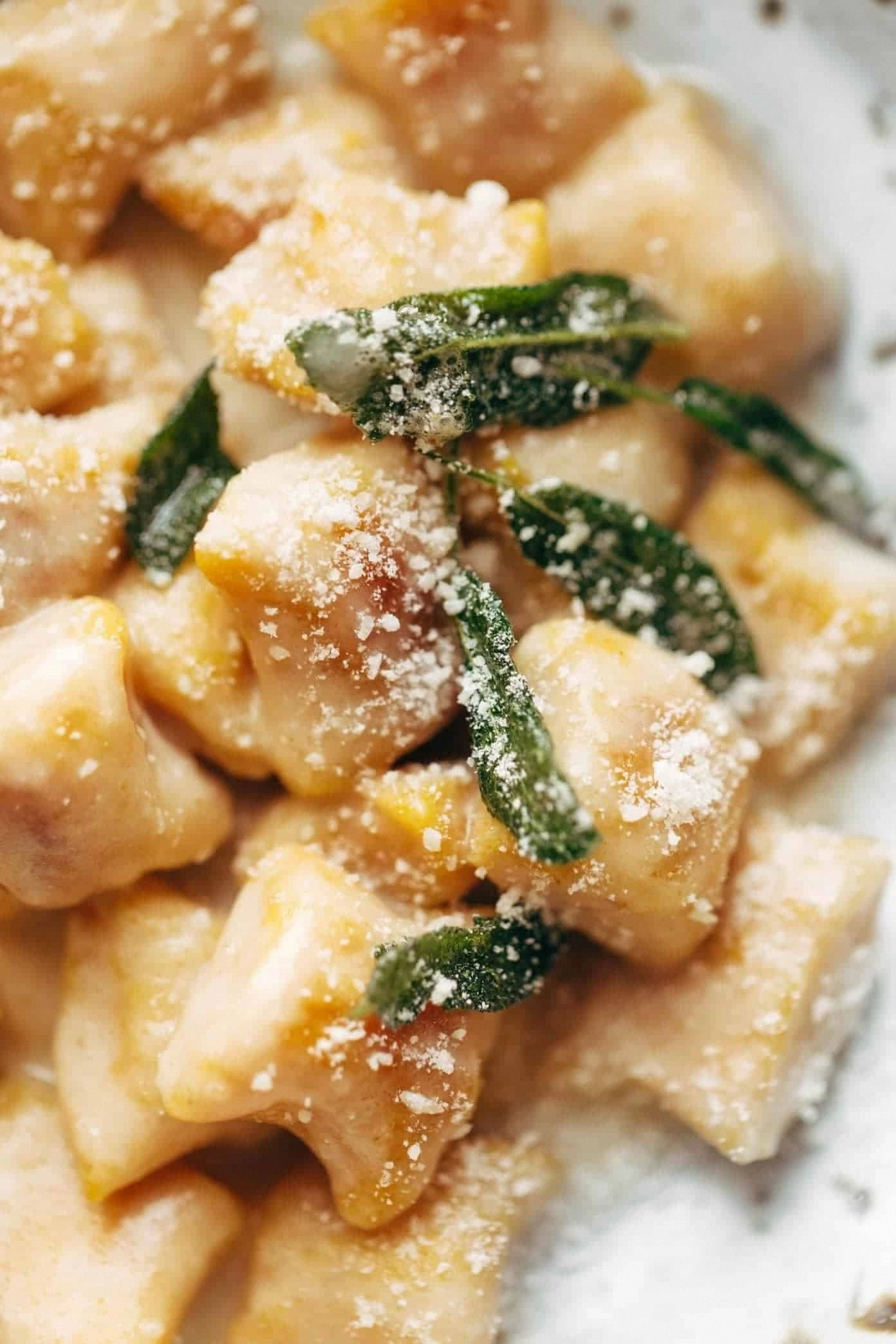
Picture this: golden‑brown pillows of pumpkin gnocchi, each bite melting like a cloud of buttery silk, while the sage‑butter sauce clings to them like a velvety cloak. You hear the gentle hiss of butter meeting hot pan, the crackle of sage leaves turning crisp, and the faint pop of caramelizing edges. The taste? A perfect marriage of sweet pumpkin, salty Parmesan, and earthy sage, with a hint of nutmeg that whispers “comfort” with each chew. The texture? Light, pillowy inside, with just enough bite on the outside to keep you interested. You can almost feel the warmth spreading through your chest as you take that first forkful.
Most recipes I’ve tried either drown the gnocchi in a watery sauce or make the dough too dense, turning the whole thing into a culinary tragedy. This version flips the script by using a pumpkin‑ricotta blend that keeps the dough feather‑light, while the sage butter finishes the dish with a glossy, aromatic glaze that never pools. The secret? A quick resting period for the dough that lets the gluten relax, and a finishing splash of Parmesan that creates a glossy finish. I’ll be honest — I ate half the batch before anyone else got a chance to try it, and every bite still tasted like the first, which is a rare miracle in the world of homemade pasta.
I dare you to taste this and not go back for seconds. Okay, ready for the game‑changer? The unexpected star here is a pinch of freshly grated nutmeg, which adds a subtle warmth that makes the whole dish feel like a hug. Let me walk you through every single step — by the end, you’ll wonder how you ever made gnocchi any other way.
What Makes This Version Stand Out
- Flavor: The pumpkin brings a natural sweetness that pairs perfectly with the earthy sage, while the butter creates a luxurious mouthfeel that coats each bite like velvet.
- Texture: The ricotta‑infused dough stays pillowy yet holds its shape, giving you that perfect “bite‑and‑chew” sensation without turning gummy.
- Simplicity: Only a handful of pantry staples are needed, and the technique is straightforward enough for a weekday dinner but impressive enough for guests.
- Uniqueness: Most gnocchi recipes rely on potato; this pumpkin version adds a seasonal twist that makes it stand out on any table.
- Crowd Reaction: Expect the “wow” moment when the sage butter hits the pan – it’s a sensory fireworks display that gets applause from even the most skeptical eaters.
- Ingredient Quality: Using fresh, pure pumpkin puree (or roasted pumpkin) guarantees a deep, authentic flavor that canned versions can’t match.
- Cooking Method: The pan‑sear creates crispy edges that shatter like thin ice, giving you contrast between soft interior and crunchy exterior.
- Make‑Ahead Potential: The gnocchi can be frozen raw and cooked straight from the freezer, perfect for busy weeknights.
Inside the Ingredient List
The Flavor Base
Pumpkin puree is the heart of this dish. It brings a sweet, earthy depth that replaces the traditional potato and adds a beautiful orange hue. Choose a puree that’s 100 % pumpkin, not a mix with carrots, to keep the flavor clean. If you’re feeling adventurous, roast a small sugar pumpkin, scoop out the flesh, and puree it yourself for an even richer taste.
The Texture Crew
All‑purpose flour provides structure, while ricotta adds moisture and a tender crumb. The ricotta’s mild tang balances the pumpkin’s sweetness and keeps the gnocchi from becoming dense. If you’re dairy‑free, swap ricotta for a plant‑based alternative like almond ricotta, but expect a slightly firmer texture.
The Unexpected Star
A pinch of freshly grated nutmeg is the secret whisper that elevates the dish. Nutmeg’s warm, slightly sweet notes amplify the pumpkin without overwhelming it. It’s the same spice that makes eggnog magical, but here it plays a subtle supporting role. If you’re out of nutmeg, a dash of cinnamon works as a fallback, though it will shift the flavor profile toward dessert.
The Final Flourish
Fresh sage leaves and unsalted butter create the iconic sage‑butter sauce. The sage’s piney aroma cuts through the richness of the butter, while the butter provides that glossy, luxurious coating. When the butter starts to foam, it’s time to add the sage – you’ll hear a gentle crackle as the leaves crisp up. Finish with a generous shower of grated Parmesan; it adds umami depth and helps the sauce cling to each gnocchi.
Everything's prepped? Good. Let's get into the real action...
The Method — Step by Step
Start by whisking together 1 cup of pumpkin puree, ½ cup of ricotta, 1 egg, 1 tsp salt, ¼ tsp nutmeg, and ¼ tsp black pepper in a large mixing bowl. The mixture should be smooth, fragrant, and a vivid orange color. Pro tip: Use a hand whisk to fully incorporate the egg without over‑mixing, which can toughen the dough later.
Gradually add 2 cups of all‑purpose flour, sprinkling it in small increments while stirring with a wooden spoon. The dough will start to come together and feel slightly sticky at first, then become a cohesive ball that pulls away from the sides of the bowl. Watch Out: Adding too much flour will make the gnocchi heavy; stop when the dough is just barely manageable.
Transfer the dough onto a lightly floured surface and gently knead it a few times—just enough to bring it into a smooth, uniform consistency. This should take about 30 seconds; you don’t want to over‑work it.
Kitchen Hack: Lightly dust your hands with flour to prevent sticking, and use a bench scraper to lift the dough without tearing it.Shape the dough into a long rope about ¾ inch thick, then cut it into ¾‑inch pieces. Roll each piece over the tines of a gnocchi board or a fork to create the classic ridges that capture sauce. If you don’t have a board, simply press each piece gently with the back of a fork. That sizzle when it hits the pan? Absolute perfection.
Place the shaped gnocchi on a parchment‑lined baking sheet, ensuring they don’t touch. Cover loosely with a clean kitchen towel and let them rest for 15 minutes. This rest period allows the flour to hydrate fully, which prevents the gnocchi from falling apart during cooking.
Bring a large pot of salted water to a rolling boil. Gently drop the gnocchi in batches; they’re ready when they float to the surface, usually after 2–3 minutes. Use a slotted spoon to lift them out and transfer directly to a warm skillet.
In the skillet, melt 4 tablespoons of unsalted butter over medium‑high heat. As the butter foams, add 12 fresh sage leaves. The leaves will sizzle and become crisp within 30 seconds, releasing a perfume that fills the kitchen.
Watch Out: If the butter starts to brown too quickly, lower the heat; burnt butter will turn the sauce bitter.Add the boiled gnocchi to the skillet, tossing gently to coat each piece in the sage‑butter sauce. Let them cook for an additional 2 minutes, allowing the edges to turn golden brown and achieve that coveted crispness. The sauce should glisten, hugging each gnocchi like a buttery veil.
Finish with a generous sprinkle of ½ cup grated Parmesan cheese, stirring until it melts into the sauce. Taste and adjust seasoning with a pinch of salt or extra pepper if needed. Serve immediately, garnished with a few fresh sage leaves for visual flair.
That's it — you did it. But hold on, I've got a few more tricks that'll take this to another level. Stay with me here — this is worth it.
Insider Tricks for Flawless Results
The Temperature Rule Nobody Follows
Keep your butter at a medium‑high heat, not a roaring blaze. If the butter is too hot, it will brown before the sage has a chance to release its aroma, resulting in a bitter undertone. I once tried a high‑heat blast and ended up with a burnt‑butter disaster that ruined the whole dish. The sweet spot is when the butter foams and begins to turn a light amber color – that’s when magic happens.
Why Your Nose Knows Best
Your nose is the ultimate doneness detector. When the sage leaves sizzle, listen for that faint crackle; it indicates the leaves are crisping without burning. The moment the butter starts to give off a nutty, toasted scent, you know the sauce is ready to embrace the gnocchi. Trust that aromatic cue more than a timer; it’s the secret weapon of seasoned chefs.
The 5‑Minute Rest That Changes Everything
After shaping the gnocchi, let them rest for at least five minutes (ideally fifteen). This short pause lets the flour fully absorb the moisture, giving the gnocchi a firmer surface that resists disintegrating in boiling water. I once skipped this step in a rush and ended up with a soggy mess that dissolved the moment it hit the pot. So, set a timer, sip a glass of wine, and let the dough settle.
Sauce Consistency Shortcut
If the sage‑butter sauce looks too thin after tossing the gnocchi, simply add a splash of the gnocchi cooking water. The starchy water will bind the butter to the gnocchi, creating a silkier coating that clings perfectly. A tablespoon or two is all you need; any more and you risk a soupy mess.
The Parmesan Timing Trick
Add the Parmesan at the very end, off the heat, to prevent it from clumping. The cheese should melt into the butter, forming a glossy sheen. If you add it too early, it can seize and create gritty bits. This final touch also adds a salty depth that balances the pumpkin’s natural sweetness.
Creative Twists and Variations
This recipe is a playground. Here are some of my favorite ways to switch things up:
Spicy Sage Inferno
Add a pinch of red pepper flakes to the butter when the sage starts to crisp. The heat will contrast beautifully with the sweet pumpkin, creating a warm, lingering spice that’s perfect for cooler evenings.
Brown Butter Bliss
Swap regular butter for browned butter (beurre noisette). Cook the butter until it turns a deep amber and smells nutty, then proceed with the sage. The nutty depth adds an extra layer of sophistication.
Herb Medley
Mix fresh thyme or rosemary with the sage for a more complex herb profile. The piney notes of rosemary complement the pumpkin, while thyme adds a subtle earthiness.
Cheese Fusion
Replace half of the Parmesan with grated Pecorino Romano for a sharper, saltier bite. The blend of cheeses creates a richer umami backdrop that makes the dish even more addictive.
Vegan Velvet
Use coconut cream instead of ricotta and a plant‑based butter alternative. Swap Parmesan for nutritional yeast or a vegan hard cheese. The result is a dairy‑free version that still delivers on creaminess and flavor.
Storing and Bringing It Back to Life
Fridge Storage
Place cooled gnocchi in an airtight container, layering parchment paper between layers to prevent sticking. They’ll stay fresh for up to 3 days. When reheating, melt a knob of butter in a skillet and gently toss the gnocchi until heated through.
Freezer Friendly
Freeze raw gnocchi on a baking sheet in a single layer, then transfer to a zip‑top bag. They’ll keep for up to 2 months. No need to thaw; drop them straight into boiling water and they’ll be ready in the same 2–3 minutes.
Best Reheating Method
For the ultimate texture, reheat in a hot skillet with a splash of water and a pat of butter. The water creates steam, reviving the pillowy interior, while the butter restores the glossy sauce. Add a pinch of fresh sage at the end for a burst of aroma.