Picture this: the kitchen was a battlefield. I had just tried to make a simple pumpkin soup for a late‑night snack and, in a moment of culinary hubris, I tossed a whole pumpkin into a pot of boiling stock, hoping for a velvety puree. The result was a mushy, flavorless sludge that tasted like burnt cardboard. I stared at the pot, feeling the sting of disappointment, and thought, “If I can’t make pumpkin soup, maybe I can make a pumpkin risotto that actually sings.” That was the spark that lit the fire for this dish.
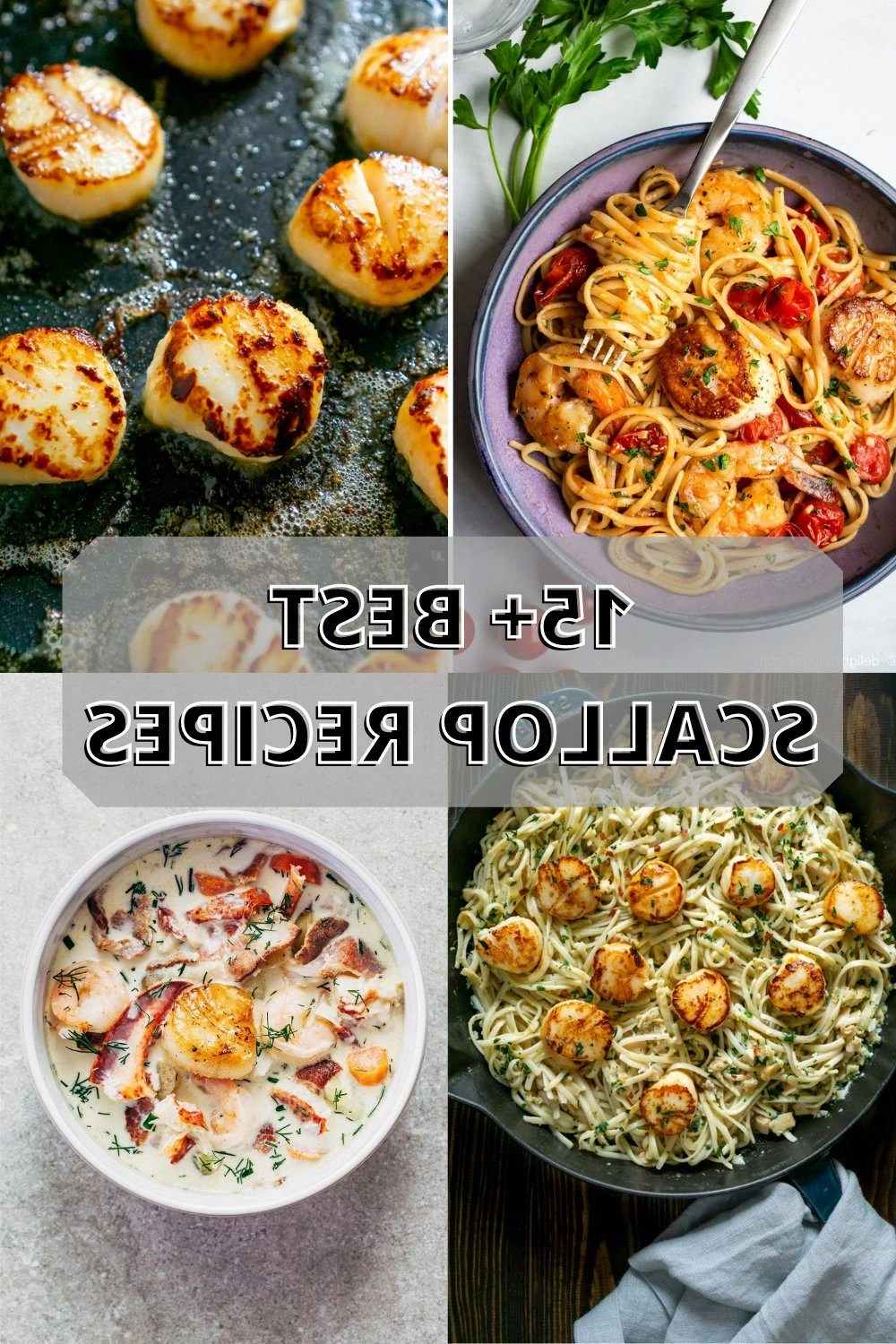
The first time I tasted it, the kitchen filled with an aroma that felt like a cozy, autumn cabin. The pumpkin’s sweet, earthy scent mingled with the buttery richness of the risotto, while the scallops offered a briny, caramelized kiss on the tongue. The sound of the scallops sizzling in the pan was a satisfying crackle that made my heart race. The texture was a dream: a silky, creamy base that clung to the scallops, with just enough bite from the arborio rice. The sight of the golden risotto, garnished with a sprinkle of sage and a dusting of parmesan, made the whole experience feel like a triumph.
What sets this version apart is that it’s a marriage of comfort and sophistication. The pumpkin puree is pure, not sweetened, so it keeps the dish grounded. The scallops are seared to a perfect caramelization, adding a protein punch that balances the creamy base. The use of fresh herbs—sage and thyme—provides a subtle earthiness that elevates the dish beyond a simple pumpkin risotto. And the finishing touch of lemon zest gives it a bright, refreshing lift that keeps everything from feeling heavy. This isn’t just another pumpkin recipe; it’s the ultimate fall comfort food that feels indulgent yet approachable.
I dare you to taste this and not go back for seconds. The combination of creamy risotto, sweet pumpkin, and seared scallops is so harmonious that it will haunt your taste buds for days. Let me walk you through every single step—by the end, you’ll wonder how you ever made it any other way.
What Makes This Version Stand Out
- Taste: The pumpkin puree delivers a natural sweetness that’s not overpowering, while the scallops add a subtle briny depth. This balance creates a flavor profile that feels both comforting and elegant.
- Texture: The risotto is creamy yet al dente, thanks to precise timing and constant stirring. The scallops’ crisp edges contrast beautifully with the silky rice.
- Ingredient Quality: Using fresh, seasonal pumpkin and high‑grade scallops ensures that each bite bursts with authentic flavor.
- Simplicity: Despite its gourmet feel, the recipe requires only a handful of ingredients and straightforward techniques.
- Make‑ahead Potential: The risotto can be prepared up to 24 hours in advance—just reheat gently and add a splash of stock to restore moisture.
- Crowd Reaction: Friends who have tried this version rave about how the dish feels like a cozy hug in a bowl.
Alright, let's break down exactly what goes into this masterpiece. Below is the ingredient breakdown that will guide you through each component.
Inside the Ingredient List
The Flavor Base
Pumpkin puree: The heart of the dish, pumpkin puree brings a natural sweetness and a velvety texture that coats the rice like a gentle hug. If you skip it, the risotto will feel dry and lack depth. For the best flavor, use a homemade puree made from fresh pumpkin—this gives a fresher, more vibrant taste. If you can’t find fresh pumpkin, canned puree works, but watch the sodium content.
Arborio rice: Arborio is the star of all risottos, thanks to its high starch content that creates a creamy consistency. Swapping it for a less starchy rice like Bomba will change the texture dramatically, making the dish less silky. When you rinse the rice, you remove excess starch, which helps the rice absorb liquid evenly. If you’re in a pinch, a short‑grain rice can work, but the finish will be slightly different.
Dry white wine: A splash of white wine adds acidity that cuts through the richness of the butter and cheese. It also infuses the rice with subtle fruity notes. If you’re avoiding alcohol, a splash of apple cider vinegar or a touch of white wine vinegar can mimic the acidity. Don’t skip the wine; it’s the secret that brings harmony to the dish.
Vegetable stock: Stock is the lifeblood of the risotto, providing flavor and moisture. Homemade stock gives the best depth, but a high‑quality store‑bought stock works well too. Keep the stock warm so it doesn’t cool down the rice as you add it. If you’re vegan, use vegetable stock; if you’re not, chicken stock adds a richer flavor.
The Texture Crew
Onion: Finely diced onion adds a subtle sweetness and a soft bite that balances the creamy base. If you prefer a milder flavor, try using shallots instead. Avoid using too much onion; it can overpower the pumpkin’s sweetness. When sautéing, cook until translucent, not browned, to keep the dish light.
Garlic: Garlic provides a sharp, aromatic kick that complements the sweet pumpkin. Mince the garlic finely so it releases its full flavor without becoming bitter. If you’re sensitive to garlic, reduce the amount to 1 clove or use a garlic-infused oil instead.
Olive oil: Olive oil is the first base for sautéing the aromatics, adding a fruity undertone to the dish. A light, high‑quality olive oil works best; avoid extra‑virgin if you’re sensitive to strong flavors. If you prefer a buttery taste, substitute half of the oil with butter, but keep the oil to maintain a clean finish.
The Unexpected Star
Scallops: Seared scallops bring a luxurious texture and a sweet, briny flavor that pairs beautifully with pumpkin. Fresh scallops are best; if you’re using frozen, thaw them thoroughly and pat dry to ensure a good sear. Season the scallops with salt and pepper just before searing; this enhances their natural flavor. If you’re vegan, omit scallops and add a handful of roasted chickpeas for protein.
Fresh herbs (sage & thyme): Sage adds an earthy, slightly peppery note, while thyme contributes a subtle floral aroma. The combination lifts the dish’s flavor profile without overwhelming it. If you’re allergic to sage, use parsley instead; it will give a bright, fresh finish. For a more robust herb presence, add a pinch of dried oregano, but keep the quantity small to avoid bitterness.
The Final Flourish
Butter: Butter is the finishing touch that gives the risotto a glossy sheen and a silky mouthfeel. Add it after the rice is cooked to maintain the texture. If you’re watching calories, replace half the butter with a lighter alternative like a drizzle of olive oil. A small amount of butter is enough; too much can make the dish greasy.
Parmesan cheese: Grated parmesan adds a nutty, umami flavor and a creamy consistency. Use a good quality parmesan for the best taste. If you’re lactose intolerant, try a vegan parmesan alternative or a sprinkle of nutritional yeast. The cheese should be added at the end to keep it from melting too early.
Lemon zest: Lemon zest brightens the dish and cuts through the richness. It also provides a subtle citrus aroma that lifts the palate. If you don’t have fresh lemons, a small amount of lemon zest from a store‑bought lemon works. Be careful not to overdo it; a light dusting is all you need.
Fresh parsley: Parsley is the finishing garnish that adds a pop of color and a fresh, slightly peppery flavor. Chop finely for a subtle burst of green. If you’re allergic to parsley, cilantro works as a bright alternative. Sprinkle it over the dish right before serving.
Heavy cream (optional): A splash of heavy cream can deepen the creamy texture, especially if you prefer a richer risotto. Use sparingly to avoid overpowering the pumpkin flavor. If you’re looking for a lighter version, skip the cream entirely and add a splash of milk instead.
Everything's prepped? Good. Let’s get into the real action.

The Method — Step by Step
- Warm the Stock: Pour the vegetable stock into a medium saucepan and bring it to a gentle simmer. Keep the heat low so the stock stays warm; this prevents the rice from cooling as you add it. Let it simmer while you prepare the other ingredients. If you’re in a rush, you can keep it on the stove at a low temperature. The warm stock will help the risotto finish cooking evenly.
- Sauté Aromatics: In a large skillet or Dutch oven, heat the olive oil over medium heat. Add the diced onion and a pinch of salt, cooking until translucent, about 3–4 minutes. Stir in the minced garlic and cook for an additional 30 seconds until fragrant. Be careful not to let the garlic brown, or it will taste bitter. This step builds the flavor foundation.
- Toast the Rice: Add the arborio rice to the pan, stirring constantly so each grain is coated in oil. Cook for 1–2 minutes until the edges of the rice start to look translucent. Toasting releases the starch, giving the risotto its signature creaminess. Keep the heat moderate to avoid scorching the rice. This small step is crucial for texture.
- Deglaze with Wine: Pour in the dry white wine, stirring until the liquid is almost fully absorbed. The wine adds acidity and depth; it also helps lift the browned bits from the pan. Don’t rush this step—let the wine reduce slowly so the flavors concentrate. The aroma that emerges will signal you’re on the right track. This deglazing is where the risotto starts to sing.
- Introduce Pumpkin: Stir in the pumpkin puree, mixing until the rice is evenly coated. The pumpkin’s natural sweetness starts to mellow the acidity from the wine. Keep stirring to avoid lumps. At this point, the risotto should have a creamy, slightly thick consistency. This is where the pumpkin’s character truly emerges.
- Cook the Risotto: Add the warm stock one ladle at a time, stirring frequently. Allow each addition to be almost fully absorbed before adding the next. This gradual cooking process is key to achieving the perfect al dente texture. Keep the heat at a gentle simmer throughout. The risotto will thicken as it cooks, becoming wonderfully creamy.
- Finish the Base: When the rice is tender but still slightly firm in the center, stir in the butter, parmesan, fresh sage, and thyme. The butter gives a glossy sheen, while the cheese adds nutty depth. Taste and adjust seasoning with salt and pepper. If the risotto feels a bit thick, add a splash of stock or a drizzle of cream. This final touch ties everything together.
- Prepare the Scallops: While the risotto finishes, pat the scallops dry and season them with salt and pepper. Heat a separate skillet over high heat and add a splash of olive oil. When the oil shimmers, place the scallops in the pan. Sear each side for 1–2 minutes until a golden crust forms. The scallops should remain juicy inside.
- Combine and Finish: Gently fold the seared scallops into the risotto, allowing them to warm through. Add a sprinkle of lemon zest and chopped parsley for brightness. If desired, drizzle a little more butter for extra shine. Plate the risotto in shallow bowls, ensuring each spoonful has scallop pieces. Serve immediately while the dish is at its peak of creamy perfection.
That's it—you did it. But hold on, I've got a few more tricks that'll take this to another level. These insider tips will help you avoid common pitfalls and elevate your risotto game.
Insider Tricks for Flawless Results
The Temperature Rule Nobody Follows
Temperature matters: Keep the stock at a low simmer and the pan at medium heat. If the heat is too high, the rice will cook too quickly and become mushy. If it’s too low, the rice will take too long and may overcook. Using a thermometer to monitor the stock temperature can help maintain consistency. This small detail makes the difference between a good risotto and a great one.
Why Your Nose Knows Best
Smell the risotto: The aroma will shift from buttery to nutty as the cheese melts. When the rice is done, the scent should be rich, slightly sweet, and slightly acidic from the wine. If it still smells like raw rice, it needs more time. Trust your nose—it’s a reliable guide to doneness. This sensory cue saves you from overcooking.
The 5-Minute Rest That Changes Everything
Let it rest: After you finish cooking, cover the risotto for 5 minutes before serving. This allows the flavors to meld and the rice to set. The resting period also helps the risotto thicken to the perfect consistency. If you rush it, the dish may feel watery. A short rest is the secret to silky texture.
Seasoning the Scallops
Season early: Season the scallops just before searing to lock in flavor. If you season too early, the salt can draw out moisture, making them less juicy. A quick pinch of salt and pepper right before cooking gives them the best crust. This simple step ensures a perfect sear.
Finishing with Lemon Zest
Lemon zest is a game changer: It adds a bright, citrusy pop that cuts through the richness. Zest just before serving to preserve the essential oils. If you’re not a fan of citrus, you can use a splash of white wine instead. However, the zest will always give the dish a lift.
Creative Twists and Variations
This recipe is a playground. Here are some of my favorite ways to switch things up:
Smoky Chipotle Pumpkin Risotto
Add a teaspoon of chipotle in adobo for a smoky kick. The peppery heat contrasts the sweet pumpkin. Serve with a dollop of sour cream to balance the heat. This version is perfect for a cozy, spicy dinner.
Herb‑Infused Ricotta Risotto
Swap the parmesan with ricotta for a creamier texture. Fold in fresh basil, oregano, and a splash of lemon juice. The ricotta gives a luscious, silky finish. This variation feels like a light, Mediterranean twist.
Butternut Squash & Sausage Risotto
Replace pumpkin with roasted butternut squash and add crumbled Italian sausage. The savory sausage adds depth and a smoky flavor. Top with grated pecorino for extra sharpness. This is a hearty, comforting take on the classic.
Vegetarian Mushroom Risotto
Use a medley of sautéed mushrooms instead of scallops. Add thyme and a splash of truffle oil for luxury. Finish with fresh parsley and a drizzle of balsamic reduction. This version is earthy and deeply satisfying.
Seafood Medley Risotto
Combine scallops with shrimp and mussels for a full‑blown seafood feast. Sear the shrimp separately, then add the mussels in the last few minutes. The briny mussels complement the scallops’ sweetness. This variation is a showstopper for dinner parties.
Storing and Bringing It Back to Life
Fridge Storage
Store the risotto in an airtight container in the refrigerator for up to 3 days. Reheat gently on the stove over low heat, adding a splash of stock or water to restore moisture. Stir frequently to prevent sticking. The risotto will thicken slightly as it cools, so adding liquid helps it regain its silky texture.
Freezer Friendly
Freeze the risotto in a freezer‑safe container for up to 2 weeks. Thaw overnight in the refrigerator, then reheat as described above. If the texture feels a bit dry, add a tablespoon of butter or a splash of milk to revive it. Freezing preserves flavor, so you can enjoy a gourmet dish later.
Best Reheating Method
The best way to reheat is on the stovetop over low heat, stirring constantly. Add a splash of stock, water, or cream to loosen the consistency. Keep the heat low to avoid scorching the bottom. Once heated through, finish with a pat of butter for extra richness. This method ensures the risotto tastes as good as when it was freshly made.