I remember the night I almost burned down the kitchen because I tried to make a quick stir‑fry and forgot to slice the steak against the grain. The result was a stringy, chewy mess that left me questioning my culinary future. That disaster became the catalyst for a revelation: a single tweak—thin, uniform strips and a splash of baking soda—can transform tough beef into melt‑in‑your‑mouth tenderness. I was so excited that I had to share the recipe with anyone who’d ever stared at a block of flank steak and felt a pang of culinary dread.
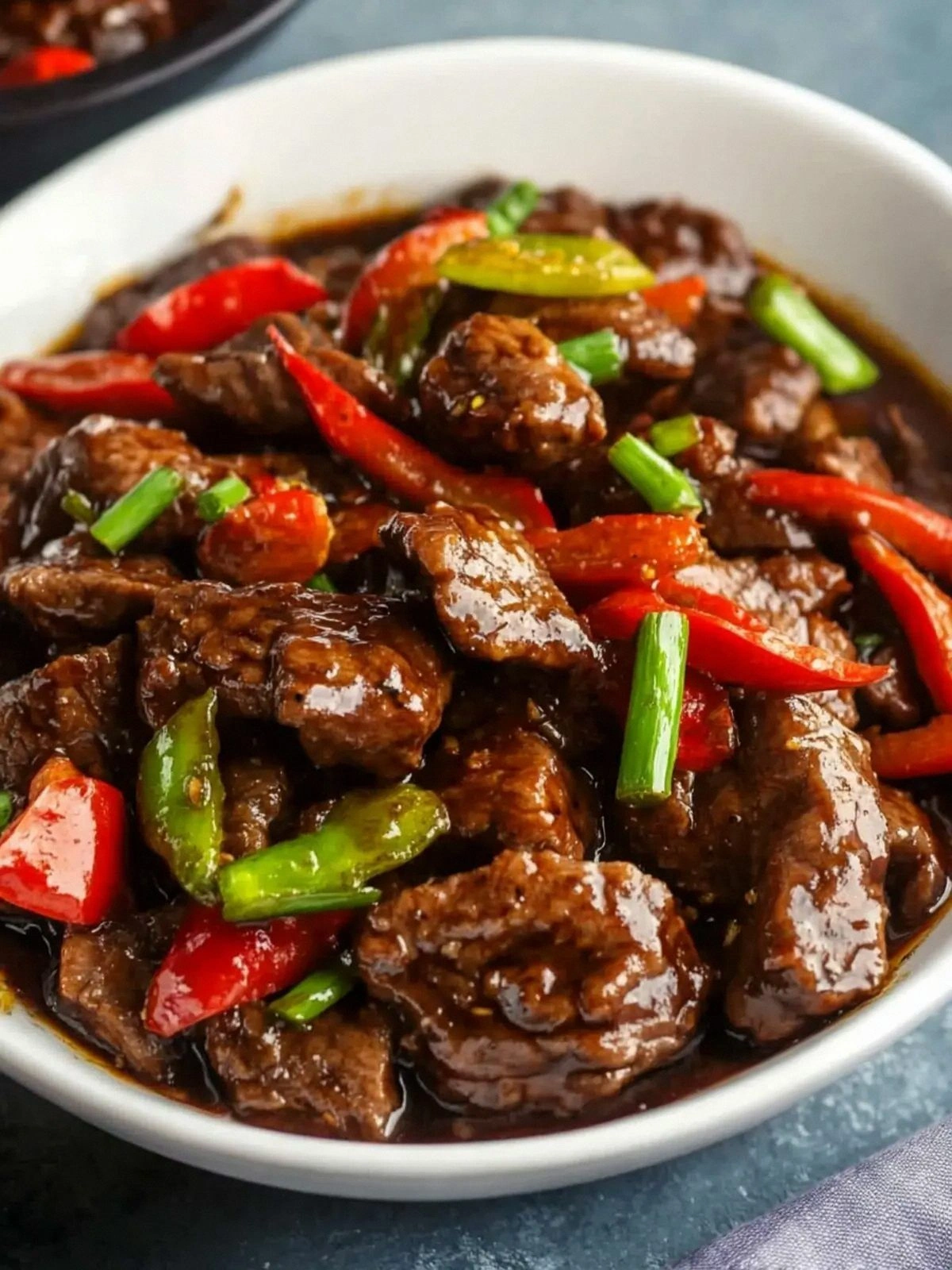
Picture this: a sizzling wok, the aroma of garlic and soy dancing in the air, and the sound of vegetables crisping to a satisfying snap. The colors of red and green bell peppers create a vibrant backdrop that makes your taste buds anticipate the first bite. The beef, seared to a caramelized finish, coats itself in a glossy black‑pepper glaze that feels like velvet on the tongue. If you’ve ever been disappointed by a bland, over‑cooked stir‑fry, this dish will rewrite your expectations.
What makes this version stand out is that it’s not just about the ingredients—it’s about the technique that turns an ordinary meal into a showstopper. The blend of soy, oyster sauce, and a whisper of sugar creates a depth of flavor that feels like a secret handshake between East and West. The baking soda doesn’t just neutralize acidity; it lifts the sauce, giving it that signature sheen that glazes the steak and vegetables evenly. Every bite is a balanced symphony of savory, sweet, and peppery notes that will make your friends ask, “Where did you learn that trick?”
I dare you to taste this and not go back for seconds. That first bite will have you questioning how you ever lived without this dish. Picture yourself pulling this out of the wok, the whole kitchen smelling incredible, and seeing your guests’ eyes widen as they take their first bite. Let me walk you through every single step—by the end, you'll wonder how you ever made it any other way.
What Makes This Version Stand Out
- Flavor: The sauce’s combination of soy, oyster, and dark soy creates a umami‑rich base that coats the beef like a silky coat of armor.
- Texture: Thin, uniform strips of flank steak sear quickly, preserving tenderness while achieving a delightful caramelized crust.
- Speed: From prep to plate, the entire dish takes just 45 minutes, making it a perfect weeknight winner.
- Visual Appeal: The vibrant reds and greens contrast against the glossy sauce, turning a simple stir‑fry into a feast for the eyes.
- Make‑ahead Potential: The sauce’s flavors deepen over time, so you can prep ahead and reheat without losing quality.
- Ingredient Quality: Using fresh, high‑quality soy sauce and Shaoxing wine elevates the dish beyond the average supermarket takeout.
- Audience Impact: Guests will be impressed by the depth of flavor and the professional finish, making you the culinary hero of the evening.
- Health Balance: With lean beef, plenty of veggies, and a modest amount of oil, this dish keeps calories in check while delivering flavor.
Alright, let's break down exactly what goes into this masterpiece…
Inside the Ingredient List
The Flavor Base
Soy sauce, oyster sauce, and dark soy sauce form the backbone of this dish. Each brings a unique depth—soy for saltiness, oyster for umami, and dark soy for a hint of sweetness and color. Together, they create a sauce that is both complex and approachable. If you’re avoiding soy, try tamari or coconut aminos as a low‑sodium alternative.
Shaoxing wine adds a subtle, nutty sweetness that balances the savory elements. If you can’t find it, a splash of dry sherry or even rice wine vinegar plus a pinch of sugar can mimic its profile. The wine also helps to tenderize the meat during the marinating step.
A teaspoon of white granulated sugar tempers the saltiness of the sauces, creating a harmonious balance. This small amount is crucial; too little and the dish feels flat, too much and it becomes sweet. Adjust to taste if you prefer a sweeter glaze.
The Texture Crew
Cornstarch is the secret agent that gives the sauce its glossy sheen. It also thickens the sauce quickly, preventing it from becoming watery. Sprinkle it over the steak before searing, and it will bind with the meat juices to form a silky coating.
Baking soda is a game‑changer. It neutralizes the acidity of the sauces and helps the beef retain moisture. A half teaspoon is enough; too much can cause a soapy taste. If you’re sensitive to sodium, you can reduce it slightly, but the texture will suffer.
Chicken stock provides body and depth. A cup of high‑quality stock lifts the sauce, giving it a savory backbone that complements the sauces. If you prefer a vegetarian version, use vegetable stock instead.
The Unexpected Star
The combination of red and green bell peppers adds both crunch and a pop of color. Their natural sweetness balances the savory sauce, and their textures contrast beautifully with the tender beef. Choose fresh, firm peppers for the best bite.
Onion and garlic are the aromatic foundation. They release layers of flavor as they cook, infusing the sauce and the meat with a savory undertone. Slice the onion into thin wedges to maximize surface area and ensure even cooking.
The medium size of the vegetables ensures they cook quickly without becoming mushy. If you like a softer bite, cut them into larger chunks; for a crunchier result, keep them smaller.
Everything's prepped? Good. Let's get into the real action…
The Method — Step by Step
- Slice the flank steak into 1/8‑inch thick strips against the grain. Pat the pieces dry with a paper towel to ensure a crisp sear. Season each strip lightly with salt, pepper, and a dusting of cornstarch. This step locks in moisture and creates a silky coating that clings to the sauce. I’ve found that a quick patting removes excess moisture, preventing steam and ensuring a caramelized crust.
- Heat a wok or large skillet over high heat until it shimmers. Add 1 tablespoon of high‑smoke‑point oil, such as peanut or canola. Once the oil is hot, add the steak in a single layer. Sear for 30–45 seconds on each side, or until a golden crust forms. Remove the steak and set aside on a plate; this quick sear locks in juices and creates a caramelized exterior.
- In the same pan, add the sliced bell peppers, onion, and minced garlic. Stir‑fry for 2–3 minutes until the vegetables are bright and just tender. The garlic should release a fragrant aroma without burning. This step builds the aromatic foundation that will carry through the sauce.
- Return the steak to the pan and pour in soy sauce, Shaoxing wine, oyster sauce, and dark soy sauce. Toss everything together so the beef is coated in the liquid mixture. Sprinkle in the sugar and baking soda, then stir vigorously. The baking soda will fizz and help the sauce thicken; the sugar balances the saltiness. Keep the heat high to allow the liquid to reduce quickly.
- Pour in the chicken stock and bring the mixture to a gentle simmer. Let it cook for 2–3 minutes, allowing the sauce to thicken and the flavors to meld. The stock adds depth and prevents the sauce from becoming overly thick. This is the moment when the aroma turns from garlic to a full, savory bouquet.
- Add the freshly ground black pepper and give the dish a final stir. Taste and adjust seasoning if needed—add a pinch more sugar for sweetness or a splash more soy for saltiness. The sauce should coat the beef and vegetables evenly, creating a glossy finish. Let it cook for an additional minute to let the pepper’s aroma fully bloom.
- Transfer the stir‑fry to a serving dish. Garnish with chopped green onions or fresh cilantro if desired. Serve immediately over steamed jasmine rice or a bed of sautéed greens. The hot, aromatic sauce will cling to each bite, delivering a burst of flavor with every mouthful.
That's it—you did it. But hold on, I've got a few more tricks that'll take this to another level...
Insider Tricks for Flawless Results
The Temperature Rule Nobody Follows
The key to a perfect sear is maintaining a consistently high temperature. A hot wok will sear the steak in seconds, creating a caramelized crust that locks in juices. If the pan is too cool, the meat will steam instead of sear, resulting in a soggy texture. Keep the heat on high and test with a drop of water; it should sizzle instantly. This small adjustment can make the difference between a good stir‑fry and a memorable one.
Why Your Nose Knows Best
The aroma of caramelization is your best indicator of readiness. A subtle, nutty scent signals that the sugars are developing, and the sauce is thickening. If you’re unsure, give it a quick sniff; if it smells like fresh soy, you’re on the right track. This sensory cue saves you from overcooking or underseasoning. Trust your nose—it’s a chef’s secret weapon.
The 5-Minute Rest That Changes Everything
After searing the steak, let it rest for five minutes before cutting. This allows the juices to redistribute, ensuring each bite stays moist. If you slice immediately, the juices will run out, leaving the meat dry. Even a short rest period can transform texture, making the beef tender and juicy. I’ve seen even the most experienced cooks benefit from this simple pause.
The Secret of Baking Soda
Baking soda neutralizes the acidity of the sauces and helps the sauce cling to the meat. It also gives the sauce a slight lift, creating a glossy sheen that’s impossible to replicate with other thickeners. Use it sparingly; too much can leave a soapy aftertaste. The right amount turns a simple stir‑fry into a restaurant‑grade dish.
The Right Oil
High‑smoke‑point oils like peanut, canola, or grapeseed are essential for a quick sear without burning. They can withstand the high heat required for the wok, allowing the beef to brown evenly. Avoid low‑smoke‑point oils like extra‑virgin olive oil, which can burn and impart a bitter flavor. The choice of oil affects both flavor and texture, so pick wisely.
Creative Twists and Variations
Swap the Meat
Replace flank steak with thinly sliced pork belly for a richer, fattier flavor profile. The pork will still benefit from the quick sear and glossy sauce, but the extra fat adds depth. This variation works well if you’re looking for a heartier, more indulgent dish. Just adjust the cooking time slightly to accommodate the thicker cuts.
Sweet and Savory Fusion
Add a tablespoon of hoisin sauce to the sauce mixture for a subtle sweetness that complements the black pepper. Hoisin adds a silky texture and a hint of Chinese sweetness that pairs beautifully with the savory elements. This tweak transforms the dish into a sweet‑savory fusion that’s perfect for a party.
Mushroom Medley
Introduce sliced shiitake mushrooms for an earthy umami boost. The mushrooms soak up the sauce and add a meaty texture that pairs well with the beef. This variation is especially good for those who love mushrooms or want to add an extra layer of flavor without additional meat.
Five‑Spice Surprise
Stir in a pinch of Chinese five‑spice powder for a complex, aromatic twist. The spice blend brings warmth and depth, enhancing the overall flavor profile. Use sparingly—just a few grinds—and watch the dish transform into a fragrant, aromatic masterpiece.
Crunchy Veggie Swap
Replace bell peppers with snow peas or snap peas for a crisp, green crunch. The peas keep the dish fresh and light while still providing the necessary sweetness. This variation is ideal for a lighter, spring‑time meal.
Vegetarian Version
Use firm tofu instead of beef for a plant‑based twist. Press the tofu to remove excess moisture, then slice into strips and sear in the same way as the steak. The tofu will absorb the sauce, creating a satisfying, protein‑rich dish that’s just as flavorful.
Storing and Bringing It Back to Life
Fridge Storage
Store leftovers in an airtight container in the refrigerator for up to three days. Keep the sauce separate if you prefer a fresher bite each time. When ready to eat, reheat gently on the stove, adding a splash of water if the sauce has thickened too much.
Freezer Friendly
This dish freezes well—place it in a freezer‑safe container and keep it for up to two weeks. Thaw overnight in the refrigerator before reheating. Add a few tablespoons of water or broth to loosen the sauce before warming.
Best Reheating Method
Reheat over low heat in a skillet, stirring frequently to prevent sticking. Alternatively, microwave on medium power for 1–2 minutes, stirring halfway through. A quick splash of water or stock helps restore the sauce’s silky texture.