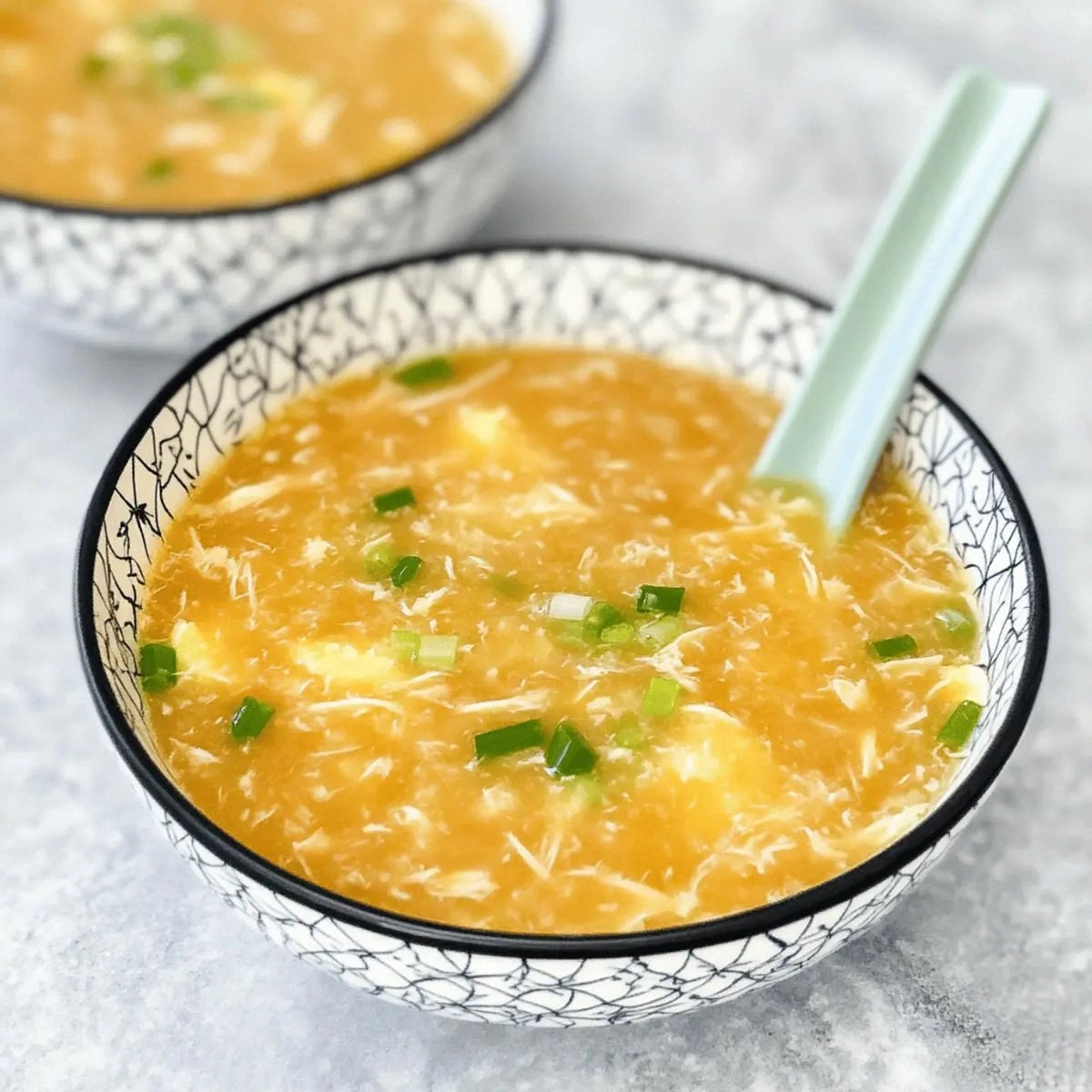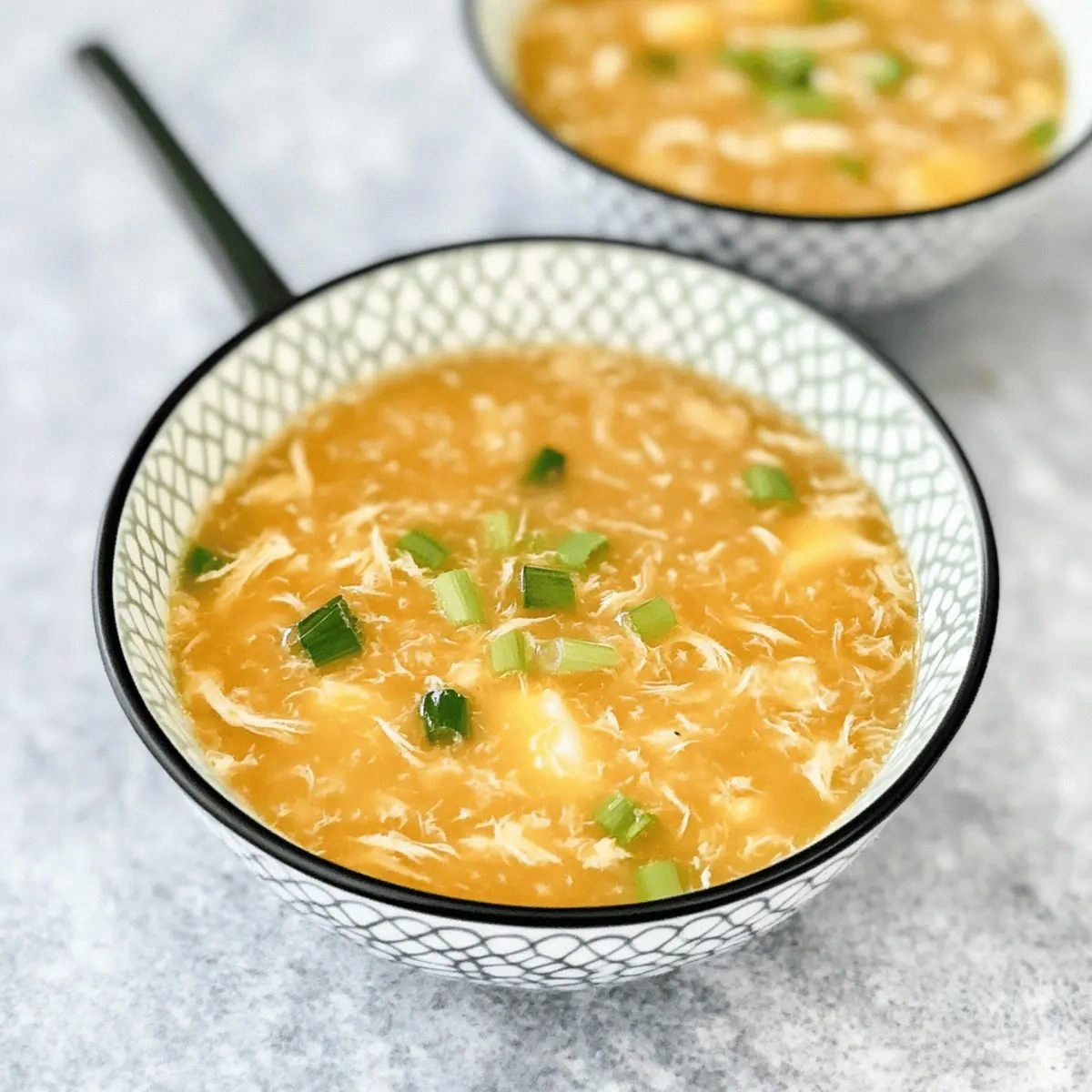
I was standing over a pot that looked like a tiny volcano, steam billowing, my kitchen smelling like a cheap ramen shop on fire, and I thought, “If I can’t make a decent soup without a fancy wok, I’m doomed.” That moment of culinary panic turned into a dare from my roommate: “Make something that’s both comforting and low‑carb, and I’ll buy you a coffee for a week.” I accepted, rolled up my sleeves, and set out to create the ultimate version of egg drop soup that would make even the most skeptical low‑carb enthusiast weep with joy. The result? A bowl of silky broth that feels like a warm hug on a rainy day, with ribbons of egg that glide like silk ribbons in a gentle breeze.
Picture this: the kitchen filled with the aromatic punch of fresh ginger and the umami whisper of tamari, the sound of the broth bubbling just enough to keep you on edge, and the sight of golden egg ribbons forming right before your eyes. The texture is a perfect balance between the delicate silkiness of the eggs and the slight bite of green onions, while the flavor dances between salty, slightly sweet, and a whisper of heat from red pepper flakes. When you scoop up a spoonful, the broth coats your palate like a velvet blanket, and the heat lingers just long enough to make you sigh in contentment.
Most egg drop soups I’ve tried either turned out watery, or the eggs clumped into rubbery blobs, or the flavor was flat as a pancake. This version stands out because it uses a simple technique—slowly drizzling the beaten eggs while whisking vigorously—that creates those iconic, feather‑light ribbons. I also swapped traditional soy sauce for tamari (or coconut aminos for a soy‑free twist) to keep the carbs low without sacrificing that deep, savory depth. And there’s a secret weapon: a splash of sesame oil added at the very end, which gives the broth a nutty finish that makes every sip feel like a tiny celebration.
I’m going to let you in on a tiny hack that most recipes completely ignore: a pinch of garlic salt added right before the broth reaches a gentle boil. It amplifies the flavor without making the soup taste “salty” and keeps the garlic aroma subtle yet persistent. I dare you to taste this and not go back for seconds. Let me walk you through every single step — by the end, you’ll wonder how you ever made it any other way.
What Makes This Version Stand Out
- Flavor Depth: The combination of tamari, fresh ginger, and a dash of sesame oil creates layers that unfold with each spoonful, unlike the one‑note soups you get from a packet.
- Silky Texture: The slow drizzle technique yields egg ribbons that are airy and tender, not rubbery, giving the soup that luxurious mouthfeel.
- Low Carb Simplicity: With just under 5 grams of carbs per serving, it fits perfectly into keto or low‑carb plans while still feeling indulgent.
- Speedy Prep: From start to finish it takes under 45 minutes, making it ideal for weeknight cravings or a quick lunch at the office.
- Crowd‑Pleaser: Even the kids love the subtle heat and the playful ribbons, so you can serve it as a starter or a main without anyone noticing it’s healthy.
- Ingredient Quality: Using high‑quality chicken broth and real tamari (or coconut aminos) ensures a rich base without the need for artificial enhancers.
- Versatile Cooking Method: Works on any stovetop, whether gas, electric, or induction, and you don’t need any fancy gadgets.
- Make‑Ahead Potential: The broth can be prepared days in advance and stored, so you only need to add the eggs and finish the soup when you’re ready to eat.
Alright, let's break down exactly what goes into this masterpiece...
Inside the Ingredient List
The Flavor Base
The backbone of any great soup is its broth, and here we’re using 4 cups of high‑quality chicken broth. Choose a broth that’s low‑sodium and preferably homemade or from a reputable brand; the richer the broth, the less you’ll need to rely on extra salt. If you skip this and use water instead, you’ll end up with a bland, watery mess that feels more like a kitchen experiment than a comforting bowl.
Tamari or coconut aminos brings the umami punch while keeping carbs in check. Tamari offers a deeper, more traditional soy flavor, whereas coconut aminos adds a subtle sweetness and is soy‑free, perfect for those with allergies. Either way, 2 tablespoons is enough to give the soup its signature savory backbone without overwhelming the delicate egg ribbons.
The Aroma Trio
Fresh ginger, garlic salt, and sesame oil are the three musketeers of aroma in this soup. One tablespoon of finely minced ginger adds a bright, peppery zing that cuts through the richness of the broth. Garlic salt, at just one teaspoon, layers in a savory depth that you’d normally achieve with a clove of fresh garlic, but without the risk of burning during the cooking process.
The final aromatic flourish is a teaspoon of toasted sesame oil, added at the very end of cooking. This oil is not for cooking; it’s a finishing oil that releases a nutty fragrance the moment it hits the hot broth, turning a simple soup into a fragrant masterpiece.
The Texture Crew
Eggs are the star of the show, and using two large, farm‑fresh eggs ensures the ribbons are thick enough to be satisfying yet delicate enough to melt in your mouth. Beat them lightly with a fork; you don’t want a frothy foam, just a uniform yellow liquid that will form those beautiful silk‑like strands.
Green onions, sliced thinly and added at the end, bring a fresh, slightly sharp bite that balances the broth’s richness. Their bright green color also adds visual appeal, making the soup look as good as it tastes.
The Final Flourish
Red pepper flakes or a dash of sriracha give the soup a gentle heat that awakens the palate without overwhelming the subtle flavors. If you prefer a milder version, start with a pinch of flakes; if you love heat, a quick drizzle of sriracha will do the trick. This optional kick is the secret that turns a plain soup into a conversation starter.
Everything's prepped? Good. Let's get into the real action...
The Method — Step by Step
Gather all your ingredients and have them within arm’s reach. This is the moment where preparation meets precision; you’ll want everything ready before the broth even starts to bubble. I always keep the whisk, a ladle, and a small bowl for the eggs on the same side of the stove. The broth should be in a heavy‑bottomed pot to distribute heat evenly, preventing hot spots that could scramble the eggs prematurely.
Pour the 4 cups of chicken broth into the pot and bring it to a gentle simmer over medium‑high heat. You’re looking for tiny bubbles dancing along the surface, not a rolling boil that could turn the broth into a frothy mess. When you hear that soft hiss, you’ll know you’re ready for the next step.
Add 2 tablespoons of tamari (or coconut aminos) and stir gently. The broth will darken slightly, taking on a richer hue that hints at the umami depth to come. Let it simmer for another minute so the flavors meld together, and then sprinkle in 1 teaspoon of garlic salt. Watch out: If you add the salt too early, it can draw out moisture from the ginger, making it soggy.
Watch Out: Do not let the broth reach a full boil after adding the tamari; the high salt content can cause the broth to foam over.While the broth is simmering, grate or mince 1 tablespoon of fresh ginger. The aroma should hit you instantly—sharp, citrusy, and slightly peppery. Add the ginger to the pot and let it infuse for 30 seconds; this brief cook preserves its bright flavor without turning it bitter.
Now comes the star move: whisk 2 large eggs in a small bowl until just combined. No need for a frothy foam—just a uniform yellow. Reduce the heat to low, and with the broth still gently simmering, start a slow, steady drizzle of the egg while whisking constantly in a circular motion. This is the game‑changer; the constant motion creates those delicate ribbons that define egg drop soup.
Kitchen Hack: Use a ladle to create a thin stream of egg; the wider the stream, the thicker the ribbons. For ultra‑thin ribbons, pour the egg from a spoon held just above the surface.Once the egg has formed ribbons and the broth looks glossy, stir in 1 teaspoon of toasted sesame oil. The oil should sizzle softly, releasing a nutty perfume that instantly lifts the entire bowl. This is pure magic—if you miss this step, the soup will taste flat, no matter how good the broth is.
Turn off the heat and add the sliced green onions. Their bright green color will contrast beautifully against the amber broth, and the residual heat will soften them just enough to release their fresh bite without losing their crunch.
Finally, season to taste with red pepper flakes or a drizzle of sriracha. I like to start with a pinch of flakes, give the soup a quick stir, then taste. If you want more heat, add a few more. Remember, the heat should be a whisper, not a shout.
Ladle the soup into bowls, garnish with an extra sprinkle of green onions if you like, and serve immediately. That first spoonful should feel like a warm blanket wrapping around your insides, the broth coating your tongue while the egg ribbons melt like clouds.
That's it — you did it. But hold on, I've got a few more tricks that'll take this to another level...
Insider Tricks for Flawless Results
The Temperature Rule Nobody Follows
Keeping the broth at a gentle simmer (around 180°F/82°C) is crucial. If the temperature spikes, the eggs will coagulate too quickly, forming clumps instead of ribbons. I always use a kitchen thermometer on my first few attempts; once you get the feel, you’ll know the “just‑right” bubble that signals the perfect heat.
Why Your Nose Knows Best
Your sense of smell is a reliable guide. When the ginger hits the pot, you should detect a bright, almost citrusy scent within seconds. If the aroma feels muted, increase the heat slightly and let the ginger release more of its oils. Trusting your nose prevents under‑flavored soups and saves you from over‑salting.
The 5‑Minute Rest That Changes Everything
After you finish cooking, cover the pot and let the soup rest for five minutes. This pause allows the flavors to meld, and the egg ribbons to firm up just enough for a perfect bite. Skipping this step is a common mistake; the soup will still be good, but the texture won’t be as refined.
The Garlic Salt Swap
If you’re watching sodium, replace the garlic salt with a pinch of garlic powder and a dash of sea salt. The powder gives you the garlic flavor without the extra salt, and the sea salt lets you control the exact sodium level. I’ve tried both and the taste difference is negligible, but the health benefit is real.
The Final Drizzle Decision
A final drizzle of sesame oil right before serving adds a glossy sheen that makes the soup look restaurant‑ready. If you’re serving a crowd, keep a small bottle of toasted sesame oil at the table so each guest can customize their own bowl. This small touch turns a humble soup into a personalized experience.
Creative Twists and Variations
This recipe is a playground. Here are some of my favorite ways to switch things up:
Spicy Sriracha Swirl
Swap the red pepper flakes for a generous swirl of sriracha right before serving. The bright red ribbons of sauce contrast beautifully with the golden egg, and the extra heat makes it perfect for cold winter evenings.
Mushroom Medley
Add a half‑cup of sliced shiitake or button mushrooms when you add the ginger. The mushrooms absorb the broth, adding an earthy depth that pairs wonderfully with the sesame oil.
Coconut Cream Dream
Stir in ¼ cup of coconut cream after the broth simmers. This creates a richer, slightly sweet version that leans into Thai flavors, especially when paired with a splash of lime juice.
Herb‑Infused
Throw in a handful of fresh cilantro or Thai basil just before serving. The herbaceous notes brighten the soup and add a fresh pop that balances the savory base.
Protein Power
Add thinly sliced cooked chicken breast or shredded pork after the eggs have formed ribbons. This turns the soup into a more filling main course while keeping the low‑carb profile intact.
Storing and Bringing It Back to Life
Fridge Storage
Transfer the broth (without the eggs) to an airtight container and store in the refrigerator for up to 4 days. When you’re ready to eat, gently reheat the broth, then add freshly beaten eggs using the same drizzle technique.
Freezer Friendly
The broth freezes beautifully. Portion it into freezer‑safe bags or containers, leaving a little headspace for expansion. It will keep for up to 3 months. Thaw overnight in the fridge, reheat, and finish with fresh eggs for a “just‑made” experience.
Best Reheating Method
When reheating, bring the broth to a gentle simmer and add a splash (about 1 tablespoon) of water to restore the silky mouthfeel that can diminish after cooling. Then follow the egg‑drizzle step as if you were starting from scratch. This trick ensures the soup feels as fresh as the first bowl.