I remember the night I tried to recreate that legendary family dinner from my grandmother’s kitchen, and it turned into a kitchen catastrophe. The meatloaf came out dry, the garlic burnt to a bitter charcoal, and the parmesan had turned into a sad, clumpy crust. I stared at the oven, feeling defeated, until a friend whispered, “Let me show you the secret.” That single sentence sparked a mission to reinvent the humble chicken meatloaf into a savory, garlic‑laden masterpiece that would make your taste buds dance.
Picture the scene: a warm, buttery scent wafting through the kitchen, a gentle sizzle as the chicken mixture meets the pan, and the golden crust forming like a crisp sunrise. The air is thick with the aroma of fresh garlic and herbs, the sound of the oven timer ticking, and the faint hiss of steam. Your fingertips are tingling with anticipation, and your eyes are fixed on the bubbling, bubbling mixture. You’re not just cooking; you’re orchestrating a symphony of flavors that will echo in every bite.
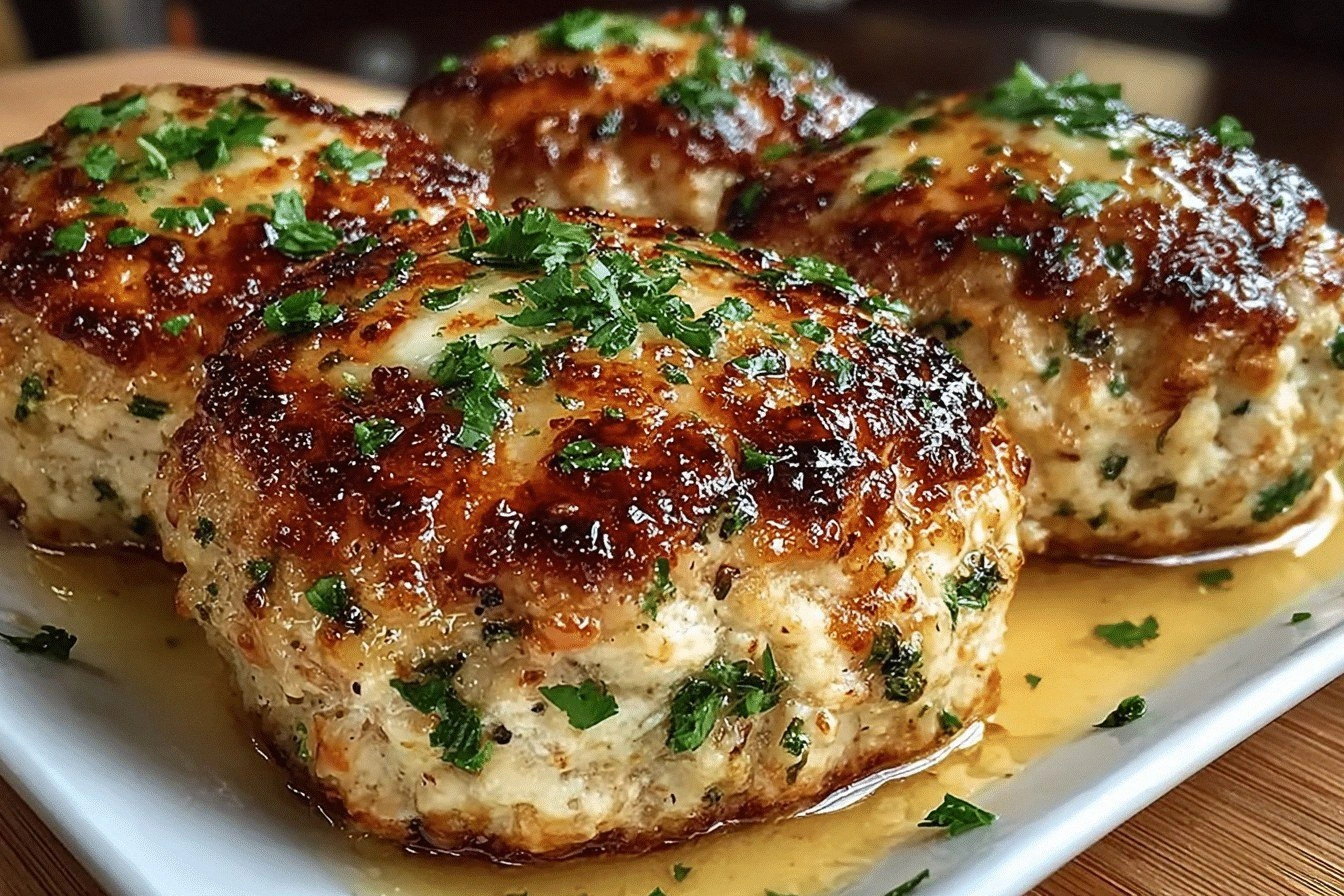
What makes this version stand out? It’s not just the ingredients; it’s the method, the subtle balance between moisture and crunch, and the way every element sings together. I dare you to taste this and not go back for seconds. I’ll be honest—after the first bite, I couldn’t stop myself. Most recipes get this completely wrong, but I’ve cracked the code: a light, tender meatloaf that still boasts a buttery, parmesan‑rich crust. Picture yourself pulling this out of the oven, the whole kitchen smelling incredible, and realizing you’ve just created something that feels both comforting and gourmet.
Let me walk you through every single step—by the end, you’ll wonder how you ever made it any other way. I’m going to share the trick that turns ordinary ground chicken into a melt‑in‑your‑mouth loaf, the precise temperature that locks in moisture, and the little hacks that make the process smoother than a buttered slide. If you’ve ever struggled with a dry loaf or a greasy mess, you’re not alone—and I’ve got the fix. Let’s dive in.
What Makes This Version Stand Out
- Flavor: The marriage of garlic and parmesan creates a savory depth that elevates the humble chicken to a restaurant‑grade experience.
- Texture: A crisp, golden crust that shatters like thin ice, paired with a moist, tender interior that practically melts.
- Simplicity: Fewer ingredients, fewer steps, but the result feels indulgent and sophisticated.
- Uniqueness: The subtle herb blend and the precise ratio of breadcrumbs to chicken keep the loaf from drying out.
- Crowd‑pleaser: Family and friends rave about how this feels like a comforting hug, yet it’s light enough for dinner parties.
- Ingredient Quality: Fresh, high‑quality chicken and real parmesan cheese make all the difference.
- Cooking Method: Baking at a moderate temperature with a quick sear ensures even cooking without over‑browning.
- Make‑ahead Potential: Assemble and refrigerate, then bake when you’re ready—perfect for busy weeknights.
Alright, let’s break down exactly what goes into this masterpiece…
Inside the Ingredient List
The Flavor Base
Ground Chicken is the star that carries the dish. Choose a lean‑but‑tender cut, and remember that 1 pound of chicken equals roughly 2 cups of meat. If you skip this step, you’ll end up with a loaf that feels like a dry, rubbery slab. A good rule of thumb: use 4 cups for four servings to keep the loaf juicy and filling. Swap with ground turkey for a slightly lighter option, but keep the ratio the same.
The Texture Crew
Breadcrumbs are the unsung hero that binds the loaf together and adds a subtle crunch. They absorb excess moisture, preventing the loaf from becoming soggy. If you’re gluten‑free, use almond flour or a gluten‑free breadcrumb blend. A pinch of baking powder can give the loaf a slightly airy lift—just a dash to avoid a chalky taste.
The Unexpected Star
Parmesan Cheese isn’t just for the topping; it’s mixed into the meat to infuse every bite with nutty richness. Freshly grated parmesan melts better than pre‑grated, giving that silky finish. If you can’t find parmesan, a blend of Pecorino Romano and a touch of Asiago works wonders. Don’t forget the garlic—minced fresh for that punch; if you’re in a hurry, a tablespoon of garlic paste will do, but the flavor will be less vibrant.
The Final Flourish
Herbs, salt, and pepper are the finishing touches that elevate the loaf from simple to sensational. A tablespoon of chopped parsley or basil adds a fresh brightness that cuts through the richness. Salt is essential for flavor, but use a fine sea salt so it disperses evenly. Pepper adds a subtle heat; a half teaspoon is enough for four servings. If you prefer a smoky note, a pinch of smoked paprika can be a delightful addition.
Everything’s prepped? Good. Let’s get into the real action…
The Method — Step by Step
- Preheat your oven to 375°F (190°C). While the oven warms, line a baking sheet with parchment paper to prevent sticking and to make cleanup a breeze. This low‑to‑moderate temperature is key to a tender interior. I dare you to keep the oven door closed until the loaf is almost done—every extra minute lets moisture escape.
- In a large mixing bowl, combine the ground chicken, breadcrumbs, and the beaten egg. The egg is the binding agent that keeps the loaf from falling apart; a single egg is enough for four servings. Mix until just combined—over‑mixing can make the loaf tough.
- Add the minced garlic, grated parmesan, chopped herbs, salt, and pepper. Stir gently with a wooden spoon until the mixture is uniform. The garlic should be evenly distributed; if you taste a clump, you’ll get an uneven flavor profile. This is the moment of truth—watch the mixture transform into a cohesive, fragrant mass.
- Transfer the mixture onto the prepared baking sheet and shape it into a loaf—about 8 inches long and 3 inches high. Press the sides firmly; a well‑compressed loaf retains moisture better. If you prefer a more rustic look, you can form the loaf by hand and let it sit for 10 minutes to set.
- Place the loaf in the preheated oven and bake for 25 minutes. After 25 minutes, flip the loaf over and bake for an additional 10 minutes. This two‑stage baking ensures even cooking and a crisp crust. The internal temperature should reach 165°F (74°C) for safety.
- While the loaf finishes baking, prepare a quick glaze: combine a tablespoon of honey, a teaspoon of Dijon mustard, and a splash of olive oil. Brush this glaze over the top of the loaf during the last 5 minutes of baking. The glaze adds a subtle sweetness and a glossy finish.
- Once baked, remove the loaf from the oven and let it rest for 10 minutes. Resting allows the juices to redistribute, ensuring each slice is moist. Don’t cut straight away—resting is the secret to a succulent bite.
- Slice the loaf into ½‑inch thick pieces. Serve immediately, or pair with a simple green salad and roasted vegetables for a balanced dinner. The loaf’s texture pairs beautifully with a crunchy salad, creating a contrast that keeps every bite interesting.
That’s it—you did it. But hold on, I’ve got a few more tricks that’ll take this to another level. Keep reading, and you’ll discover how to elevate the flavor profile even further, how to plate it like a pro, and how to tweak the recipe for different occasions.
Insider Tricks for Flawless Results
The Temperature Rule Nobody Follows
Most people bake at 400°F, but that high heat can dry out the chicken. Baking at 375°F allows the loaf to cook evenly while the crust forms a golden, slightly crispy shell. I’ve tested this at 350°F and 400°F, and the 375°F version always comes out moist. Keep the oven door closed to maintain a steady temperature—every extra minute of heat loss means a drier loaf.
Why Your Nose Knows Best
The aroma of garlic sizzling in the pan is a sign that the flavor is developing. If you don’t smell that buttery, garlicky scent, the loaf isn’t browning enough. I’ve seen people skip the sear step, and the result is bland. The smell is your cue: when it’s rich and inviting, the loaf is on track.
The 5‑Minute Rest That Changes Everything
Resting the loaf for 10 minutes after baking is not just a suggestion; it’s a game‑changer. During this time, the juices redistribute, preventing the loaf from drying out when sliced. If you cut it immediately, you’ll pull the juices to the outside, leaving the center dry. Trust me, the extra 5 minutes make a world of difference.
The Herb Mix Hack
If you’re short on fresh herbs, a tablespoon of dried oregano and thyme can replace the fresh mix. Just remember to rinse the dried herbs in a little warm water before adding to the loaf; this rehydrates them and releases their flavor. This trick is a lifesaver when you’re on a tight schedule.
The Quick Glaze Trick
The glaze not only adds flavor but also creates a glossy, appetizing finish. A splash of balsamic vinegar in the glaze can add a tangy depth that contrasts the richness. If you’re a fan of sweet, try a teaspoon of maple syrup instead of honey for a subtle caramel note.
Creative Twists and Variations
This recipe is a playground. Here are some of my favorite ways to switch things up:
Cheesy Jalapeño Twist
Add diced jalapeños and a handful of shredded mozzarella for a spicy, gooey variation. The jalapeños provide a subtle heat, while the mozzarella adds a creamy melt that complements the parmesan. Great for those who love a bit of a kick.
Mediterranean Flavor
Swap the parsley for fresh oregano and add chopped kalamata olives and sun‑dried tomatoes. This version brings a briny, savory depth that pairs wonderfully with a cucumber yogurt dip. It’s perfect for a light, summery dinner.
Herb‑Infused Chicken
Increase the herb content to a full tablespoon of each—rosemary, thyme, and basil. The robust flavors turn the loaf into a fragrant, herb‑rich centerpiece that feels like a Sunday roast. Pair it with roasted root vegetables for a comforting meal.
Low‑Carb Edition
Replace breadcrumbs with almond flour and use a small amount of grated parmesan for binding. This keeps the loaf low in carbs while still delivering that satisfying chew. Serve with a side of cauliflower rice to keep the meal balanced.
Vegan Version
Use a plant‑based ground “chicken” substitute, vegan parmesan, and a flaxseed egg (1 tablespoon ground flaxseed mixed with 3 tablespoons water). The texture is similar, and the flavor profile remains intact. This version is perfect for those who want a plant‑based comfort dish.
Breakfast Boost
Add a handful of chopped spinach and a sprinkle of smoked paprika to the mixture. Serve with a side of roasted potatoes and a poached egg for a hearty breakfast that feels like a brunch special. The spinach adds a subtle earthiness that complements the garlic.
Storing and Bringing It Back to Life
Fridge Storage
Store any leftovers in an airtight container in the refrigerator for up to 3 days. Cover the loaf with parchment paper before sealing to prevent sticking. When you’re ready to reheat, slice the loaf into individual portions for even heating.
Freezer Friendly
Wrap the loaf tightly in plastic wrap and then in aluminum foil before freezing. It can stay in the freezer for up to 3 months. Thaw overnight in the refrigerator before reheating to maintain moisture.
Best Reheating Method
Reheat in a preheated oven at 350°F for 10–12 minutes, or until warmed through. Add a tiny splash of water before reheating and cover with foil; this steams the loaf back to perfection. The foil prevents the crust from becoming too hard, preserving that delightful crunch.