I remember the night I tried to impress my roommate with a quick dinner after a long day of coding. I had a bag of chicken thighs, a bunch of scallions, and a vague idea of what a “scallion chicken” should taste like. The result? A sad, bland mess that barely warmed my stomach. That night, I swore to myself that I would find the perfect balance of umami, crunch, and that unmistakable green pop that makes scallion chicken unforgettable.
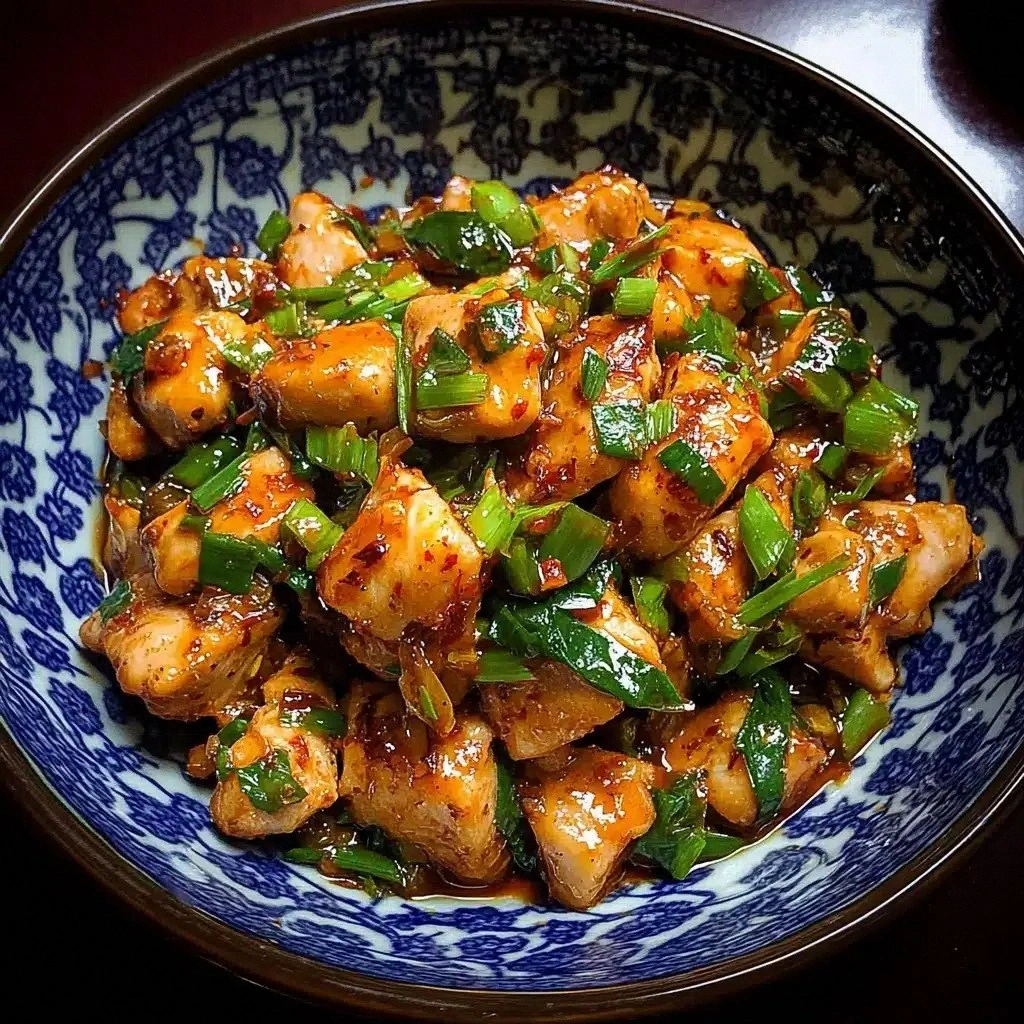
Fast forward a few months, and I stumbled upon a recipe that feels like a culinary revelation. Picture this: tender chicken pieces coated in a silky sauce that glazes like liquid silk, scallions that snap with a satisfying crunch, and a subtle hint of sesame that lingers on the tongue. The aroma that fills the kitchen is a heady mix of garlic, ginger, and soy, like a fragrant hug from an old friend. The colors alone—golden chicken, bright green scallions, a splash of pale sauce—turn the dish into a visual feast that makes your eyes water with anticipation.
What sets this version apart isn’t just the ingredients; it’s the way each element is treated. I’ve refined the sauce to achieve a perfect balance between sweet and salty, using a splash of oyster sauce for depth and a whisper of sugar to counterbalance the acidity. The chicken is marinated just long enough to absorb flavor without becoming mushy. The scallions are sliced to preserve their bite, and the sesame oil is added at the end to preserve its fragrant aroma. Every step is designed to elevate the dish, ensuring that even a novice can create a restaurant‑grade meal.
I dare you to taste this and not go back for seconds. I’ve been told that once you try it, the standard scallion chicken recipes you’ve seen in cookbooks will feel like a distant memory. Picture yourself pulling this out of the pan, the kitchen smelling incredible, and friends arriving with empty plates, begging for the recipe. If you’ve ever struggled to get the sauce to thicken or the chicken to stay juicy, you’re not alone—and I’ve got the fix. Stay with me here—this is worth it.
What Makes This Version Stand Out
- Flavor: The sauce is a harmonious blend of soy, oyster, and sesame, creating depth that lingers on the palate.
- Texture: Crispy scallions and succulent chicken give a satisfying contrast that elevates every bite.
- Ease: A single pan method keeps cleanup minimal while delivering maximum flavor.
- Versatility: Works beautifully with rice, noodles, or a simple side of steamed greens.
- Make‑Ahead: Marinate the chicken a few hours early for an even richer taste.
- Visual Appeal: Bright green scallions against a golden sauce create an Instagram‑ready plate.
- Time: Total prep and cook time is under 45 minutes, ideal for busy weekdays.
- Ingredient Quality: Uses fresh scallions and high‑quality soy sauce for a premium result.
Alright, let's break down exactly what goes into this masterpiece…
Inside the Ingredient List
The Flavor Base
The foundation of this dish is a sauce that sings. Soy sauce provides the salty backbone, while oyster sauce adds a subtle briny sweetness that deepens the umami profile. Sesame oil, added at the end, brings a nutty aroma that elevates the entire dish. A touch of sugar balances the acidity of the soy, preventing the sauce from tasting too sharp. If you’re vegan, substitute tamari for soy and use a vegan oyster sauce; the flavor will stay remarkably close.
The Texture Crew
Chicken thighs are the star here because they stay juicy and tender even after high‑heat cooking. Marinating them in a thin layer of soy and sesame oil for at least 15 minutes allows the flavors to seep in without overpowering the meat. The scallions are sliced into thin ribbons, preserving their crispness while releasing their bright, oniony flavor. If you prefer a crunchier bite, toss a handful of toasted sesame seeds on top just before serving.
The Unexpected Star
Cornstarch isn’t just a thickening agent; it’s a secret weapon that gives the sauce a silky sheen and a slight snap when you bite into the chicken. When you mix it with a splash of water to form a slurry, it coats the meat evenly, preventing the sauce from clumping. This step is often overlooked, but it makes the difference between a runny sauce and a glossy coating that clings beautifully.
The Final Flourish
Garlic and ginger add depth and warmth to the dish. Mince them finely to distribute their flavor evenly throughout the sauce. A pinch of white pepper brings a mild heat that balances the sweetness. Freshly ground black pepper is added at the end to keep the heat sharp and fresh. A squeeze of lime or a splash of rice vinegar can be added for a citrusy brightness if you’re feeling adventurous.
Everything's prepped? Good. Let's get into the real action…
The Method — Step by Step
- Marinate the Chicken: In a shallow dish, combine the chicken thighs, 2 tablespoons soy sauce, 1 tablespoon sesame oil, 1 teaspoon sugar, 1 teaspoon cornstarch, 1 minced garlic clove, 1 teaspoon grated ginger, and a pinch of salt. Toss until each piece is evenly coated. Let it sit for at least 15 minutes; the cornstarch will lightly coat the surface, preventing sticking later.
- Heat the Pan: Place a large non‑stick skillet over medium‑high heat. Add 2 tablespoons of vegetable oil, swirling to coat the bottom. The oil should shimmer but not smoke—this is the sweet spot where the chicken will sear without burning.
- Sear the Chicken: Place the marinated chicken pieces skin side down (if using skinless, just place them) and let them cook undisturbed for 5 minutes. This creates a caramelized crust. Flip each piece and cook for an additional 4 minutes until the chicken is cooked through (internal temperature 165°F). The chicken should release from the pan easily when it's ready.
- Reduce the Sauce: Remove the chicken and set aside. In the same pan, pour in the remaining sauce mixture (soy, oyster sauce, sesame oil, and a splash of water). Bring to a simmer, scraping up any browned bits. The sauce should thicken slightly and become glossy.
- Re‑introduce the Chicken: Return the chicken to the pan, spooning the sauce over each piece. Add the sliced scallions and stir gently to coat. Let everything simmer together for 2 minutes so the scallions soften just enough to release their flavor without losing their crunch.
- Final Touches: Drizzle 1 teaspoon of sesame oil over the top and sprinkle with toasted sesame seeds. This final step locks in the nutty aroma and adds a subtle crunch. Taste the sauce; if it feels a bit flat, a splash of lime juice or a pinch of white pepper can brighten it up.
- Plate and Serve: Arrange the chicken on a platter, spooning extra sauce over the top. Garnish with a few extra scallion ribbons and a dusting of toasted sesame seeds. Serve immediately with steamed jasmine rice or a simple bowl of noodles.
- Enjoy! The final dish should feel like a symphony of flavors—sweet, salty, umami, and a hint of citrus—balanced by the crispness of scallions and the tenderness of chicken. The sauce coats each bite like velvet, and the aroma alone will have you licking your fingers.
That's it—you did it. But hold on, I've got a few more tricks that'll take this to another level…
Insider Tricks for Flawless Results
The Temperature Rule Nobody Follows
Many people think low heat is the key to tender chicken, but for scallion chicken, a high‑heat sear is essential. Cooking the chicken on medium‑high heat locks in juices and creates a caramelized crust that adds depth. I’ve found that a quick 5‑minute sear on each side before reducing the heat works best. If you’re using a cast‑iron skillet, preheat it for a full minute before adding oil to ensure an even sear.
Why Your Nose Knows Best
Smell is your secret ally in cooking. When the soy and oyster sauce hit the hot pan, they should emit a sweet, caramelized aroma. If you notice a metallic or burnt scent, the pan is too hot. Adjust the heat down a notch. A good rule of thumb: the sauce should sizzle gently and the chicken should release from the pan with a little pop.
The 5‑Minute Rest That Changes Everything
After you remove the chicken from the pan, let it rest for 5 minutes. This allows the juices to redistribute, making each bite juicy. While resting, cover the chicken loosely with foil to keep it warm. I’ve tried skipping this step once, and the result was dry, over‑cooked chicken that didn’t hold its shape.
Use Fresh Scallions, Not Pre‑Sliced
Fresh scallions hold their crunch better than pre‑sliced ones. Slice them just before cooking to preserve their bright flavor. If you’re short on time, a quick blanch in boiling water for 30 seconds can soften them slightly without losing texture.
Finish with Sesame Oil, Not Cooking Oil
Sesame oil has a low smoke point, so adding it at the end preserves its aroma. Cooking oil is used to sear the chicken, while sesame oil is a finishing touch that elevates the dish. If you’re using toasted sesame seeds, add them at the same time to keep them from burning.
Creative Twists and Variations
This recipe is a playground. Here are some of my favorite ways to switch things up:
Spicy Szechuan Scallion Chicken
Add 1 teaspoon of Szechuan peppercorns and 1 tablespoon of chili bean paste to the sauce. The peppercorns give a numbing heat, while the bean paste adds a smoky depth. Serve over rice to balance the spice.
Thai Coconut Scallion Chicken
Replace the soy sauce with fish sauce and add 1 cup of coconut milk to the sauce. The coconut milk gives the dish a creamy, tropical flavor profile. Garnish with fresh cilantro and lime wedges for a bright finish.
Gluten‑Free Scallion Chicken
Use tamari instead of soy sauce and cornstarch for thickening. Ensure the oyster sauce is gluten‑free. The dish remains just as flavorful, with a slightly different umami note.
Vegetarian Scallion “Chicken”
Swap chicken for tofu or tempeh. Marinate the protein in the same sauce, then pan‑fry until golden. The tofu will absorb the sauce and provide a satisfying bite.
Scallion Chicken with Pomegranate
After cooking, sprinkle a handful of pomegranate seeds over the dish. The seeds add a burst of sweet tartness and a pop of color that makes the dish visually stunning.
Scallion Chicken with Lemon Basil
Finish the dish with a squeeze of fresh lemon juice and a sprinkle of chopped basil. The lemon brightens the sauce while the basil adds a fragrant, herbal note.
Storing and Bringing It Back to Life
Fridge Storage
Cool the dish completely before transferring to an airtight container. Store in the refrigerator for up to 3 days. The sauce may thicken slightly; stir or reheat gently to restore its silky texture.
Freezer Friendly
Wrap the dish tightly in plastic wrap and place in a freezer bag. It stays best for up to 2 weeks. Thaw overnight in the refrigerator before reheating.
Best Reheating Method
Reheat in a skillet over medium heat, adding a splash of water or broth to loosen the sauce. Stir frequently until heated through. A tiny splash of water before reheating steams the dish back to perfection and keeps the chicken moist.