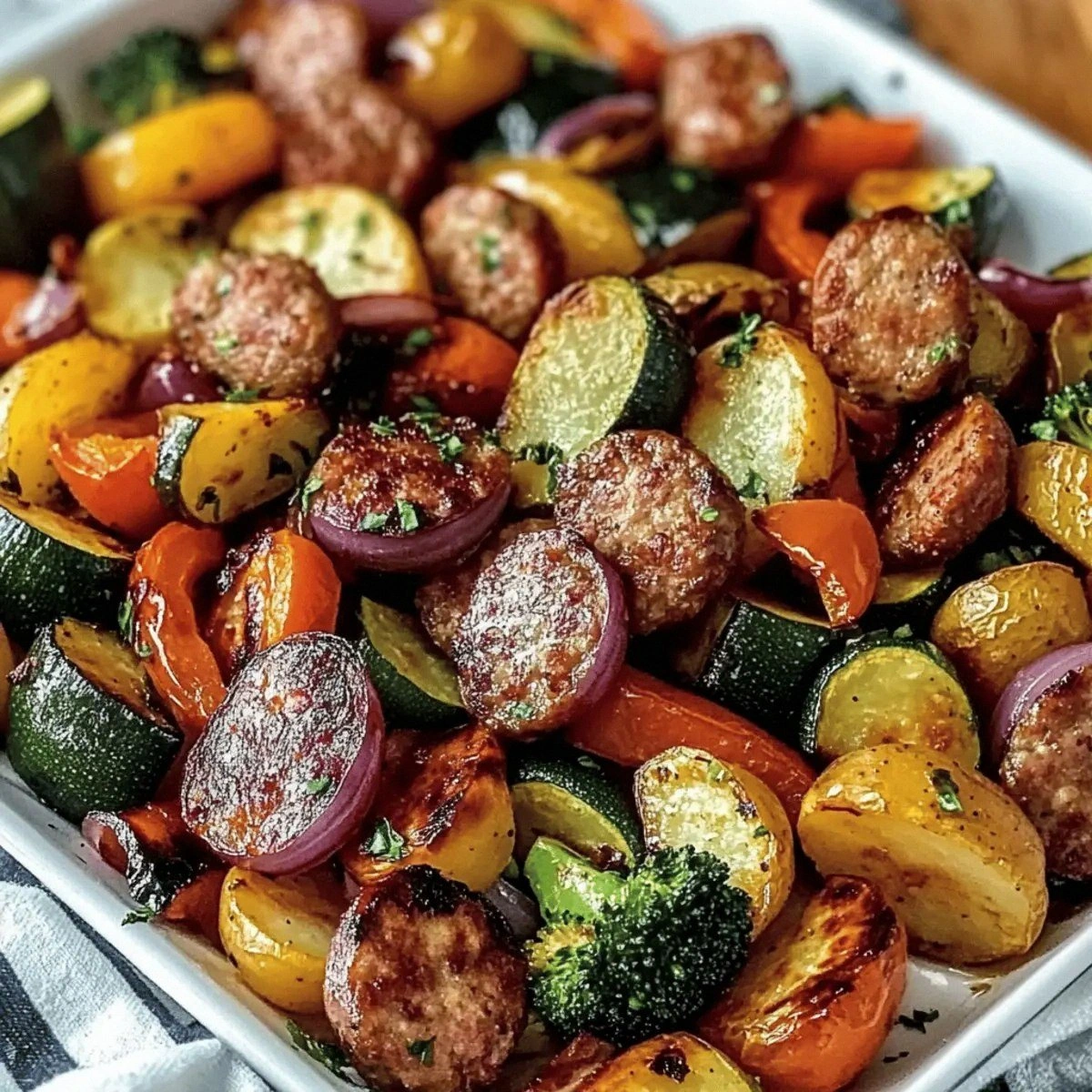
Last Tuesday I was halfway through chopping vegetables when my phone buzzed with that dreaded text: "Running late—be there in 45." My sister was bringing her new boyfriend for dinner, and here I was with a cutting board full of raw ingredients and zero game plan. In that moment of culinary panic, I did what any self-respecting food lover would do: I dumped everything onto a sheet pan, sliced up some Italian sausage with the desperation of a cooking show contestant, and hoped for the best. What emerged from my oven 30 minutes later was nothing short of miraculous—a symphony of caramelized edges, juicy sausage, and vegetables that somehow tasted like they'd been slow-roasted by a professional chef who actually had their life together.
The smell hit first, a heady mix of fennel and garlic that made my neighbor knock on the wall (sorry, Janet). Then came the colors—emerald broccoli florets tipped with bronze, peppers that looked like they'd been kissed by the Tuscan sun, and sausage slices curled into perfect little meat cups filled with their own rendered juices. By the time my guests arrived, I was already on my second "taste test," standing over the pan like a protective mama bear. "What is this magic?" my sister's boyfriend asked through a mouthful, and honestly, I didn't have an answer because I'd blacked out from sheer relief that dinner wasn't a disaster.
Here's the thing about sheet pan dinners: everyone thinks they're just throwing stuff on a pan and calling it a day. But this version? This is the Beyoncé of sheet pan meals. The vegetables aren't just cooked—they're transformed into these candy-sweet morsels that make you question everything you thought you knew about eating your greens. The sausage doesn't just brown; it creates these crispy edges that shatter like thin ice while staying juicier than a summer peach. And the cleanup? One pan, my friends. One glorious, barely-dirty pan that makes you feel like you've hacked adulthood itself.
Picture yourself pulling this out of the oven, the whole kitchen smelling like an Italian grandmother's secret weapon. The sizzle when olive oil hits hot metal? Absolute perfection. That moment when you break open a piece of sausage and the steam rises like you're in a food commercial? Pure magic. Let me walk you through every single step—by the end, you'll wonder how you ever made dinner any other way.
What Makes This Version Stand Out
Flavor Bomb: Most sheet pan recipes taste like sad, steamed vegetables with rubbery protein. This one uses a spice blend that'll make your taste buds do backflips—garlic powder, onion powder, and paprika create this umami crust that makes everything taste like it was cooked in a wood-fired oven by someone who actually knows what they're doing.
Texture Paradise: The secret is all in the timing and cutting technique. Bell peppers get sliced into ribbons that curl into sweet little boats, while broccoli stays crisp-tender with those addictive charred tips. Baby potatoes are par-cooked just enough to guarantee creamy centers with crispy edges that'll make you weep with joy.
Weeknight Warrior: From fridge to table in 45 minutes flat, with only 15 minutes of actual hands-on time. While the oven does the heavy lifting, you can pour yourself a glass of wine, help with homework, or finally sit down for five blessed minutes. I dare you to find a faster route to comfort food nirvana.
Budget Champion: Using humble ingredients that cost less than a fancy coffee, this feeds four generously. Italian sausage is the flavor workhorse here—cheap, cheerful, and packed with enough seasoning that you don't need a spice cabinet the size of a small library to make dinner taste like a million bucks.
Meal Prep Gold: This gets better overnight as the flavors meld together. Pack it into containers and you've got lunches that'll make your coworkers jealous. I've honest-to-goodness had people offer to buy lunch off me when I heated this up in the office microwave.
Crowd-Pleasing Genius: Picky eaters, health nuts, carb lovers, and protein fiends all find something to love here. The vegetables become candy-sweet, the sausage stays juicy, and everything gets those caramelized edges that make people close their eyes and sigh with contentment. I'll be honest—I ate half the batch before anyone else got to try it.
Technique Triumph: Most recipes get this completely wrong. They toss everything together and wonder why the vegetables are mush while the sausage is still raw. Here's what actually works: strategic layering, proper spacing, and a two-temperature cooking method that ensures every component reaches its full potential.
Alright, let's break down exactly what goes into this masterpiece...
Inside the Ingredient List
The Flavor Base
Italian sausage is the undisputed star here, and not just any Italian sausage—look for the kind with visible flecks of fennel and pepper. That fennel is going to perfume your entire kitchen with this anise-y, slightly sweet aroma that makes people ask "what are you making?" from three rooms away. When it cooks, the fat renders out and creates this automatic flavor bath that seasons everything else on the pan. Skip the fancy artisanal stuff here; your regular grocery store brand works perfectly because we want that classic Italian-American flavor profile that tastes like childhood and Sunday dinners rolled into one.
Red onion brings more than just pretty purple color—it has a milder, almost sweet flavor that becomes jammy and complex when roasted. Cut it into thick wedges so it stays in distinct pieces instead of dissolving into nothingness. Yellow onion works in a pinch, but you'll miss that gorgeous color and subtle sweetness that makes the final dish look like it came from a restaurant. Pro tip: save a few raw pieces to scatter on top at the end for a bright pop that cuts through all the richness.
The Texture Crew
Bell peppers are your secret weapon for adding natural sweetness without any sugar. I use a mix of red and yellow because they get these blistered, slightly charred spots that taste like candy. Green peppers are too bitter for this application—they stay kind of harsh and vegetal instead of melting into sweet submission. Cut them into irregular pieces: some strips, some chunks, so you get different textures in every bite. The edges will crisp while the insides stay juicy, creating this perfect contrast that makes you reach for "just one more piece" until suddenly the pan's empty.
Broccoli florets are where most recipes go wrong—they either burn to a crisp or stay raw and sulfurous. The trick is cutting them into small, uniform pieces and placing them cut-side down so they get those crispy, almost burnt edges while staying tender inside. Those little crispy bits? They're like vegetable bacon. Seriously, if you think you hate broccoli, try it roasted this way and prepare to have your entire worldview shifted. The florets create these tiny trees that catch all the rendered sausage fat and turn into flavor bombs.
The Unexpected Star
Zucchini doesn't get enough credit in the roasting game. When done right, it transforms from watery and bland to this creamy, almost custard-like vegetable with golden edges. The key is cutting it into thick half-moons so it doesn't disappear into mush. It acts like a sponge, soaking up all the surrounding flavors while adding its own subtle sweetness. Some people salt it first to draw out moisture, but I say skip it—we want those juices to mingle with everything else on the pan.
Baby potatoes are non-negotiable in my book. They get this creamy interior that contrasts beautifully with their crispy, seasoned skin. Cut the larger ones in half so everything cooks evenly, but leave the tiny ones whole for maximum creamy factor. These aren't just filler—they're little vehicles for scooping up all the caramelized bits and juices at the bottom of the pan. Yukon golds work best because they get fluffy inside while holding their shape, but red potatoes are a solid backup plan.
The Final Flourish
Olive oil might seem basic, but it's the difference between steamed sadness and roasted glory. Use the good stuff here—not the fancy finishing oil, but something with actual flavor. The oil helps conduct heat, ensuring everything gets those golden edges while preventing the vegetables from drying out. Don't be shy; vegetables should look glossy and well-coated, like they're going to a vegetable party where the dress code is "shiny and delicious."
Fresh parsley at the end is non-negotiable. It adds this bright, almost grassy note that cuts through all the richness and makes everything taste fresh instead of heavy. Chop it roughly—none of that fine-chopped nonsense. You want big pieces that people can actually taste, not just green confetti that gets lost in the mix. If parsley isn't your thing, try fresh basil or even cilantro, but please promise me you'll use something fresh. It takes this from "really good dinner" to "why does this taste like it came from a restaurant?"
Everything's prepped? Good. Let's get into the real action...
The Method — Step by Step
- Preheat your oven to 425°F—yes, hotter than you think you need. This initial blast of heat is crucial for getting those caramelized edges that make vegetables taste like candy. While it heats, grab your largest sheet pan (half-sheet size is perfect) and don't even think about lining it with parchment yet. You want direct contact between your food and that hot metal for maximum browning. That sizzle when vegetables hit the pan? That's the sound of flavor being born.
- Start with the potatoes because they need a head start. Toss them with a tablespoon of olive oil, half the garlic powder, onion powder, paprika, salt, and pepper. Spread them in a single layer on one side of the pan—don't crowd them or they'll steam instead of roast. Give them a 15-minute head start while you prep everything else. This is the moment of truth where most recipes go wrong by throwing everything on at once.
- While the potatoes roast, slice your sausage on the bias into 1/2-inch thick coins. This isn't just for looks—angled cuts have more surface area for browning. Heat a skillet over medium-high heat and sear the sausage pieces for just 2 minutes per side. You're not cooking them through, just getting that golden crust that'll make them taste like they've been slow-cooked for hours. This extra step is what separates good sheet pan dinners from legendary ones.
- Now for the vegetable symphony: in a large bowl, toss bell peppers and onions with another tablespoon of oil and half the remaining seasonings. Add them to the pan with the potatoes, spreading them out so nothing overlaps. The pan should look like a colorful mosaic, not a vegetable pile-up. If you've ever struggled with soggy roasted vegetables, you're not alone—and I've got the fix right here.
- After 10 more minutes, it's broccoli's turn. Toss the florets with the remaining oil and seasonings, then nestle them among the other vegetables, cut-side down. This is crucial—those cut sides need direct contact with the hot pan to develop those crispy, almost burnt edges that taste like vegetable bacon. Don't walk away from the oven here; this is where magic happens.
- Reduce the temperature to 400°F and add your seared sausage and zucchini pieces. The lower temperature ensures everything finishes cooking at the same time without burning. Arrange them strategically—sausage pieces should touch the pan directly for maximum flavor development, while zucchini can sit slightly elevated on other vegetables. This is pure kitchen choreography, and you're the conductor.
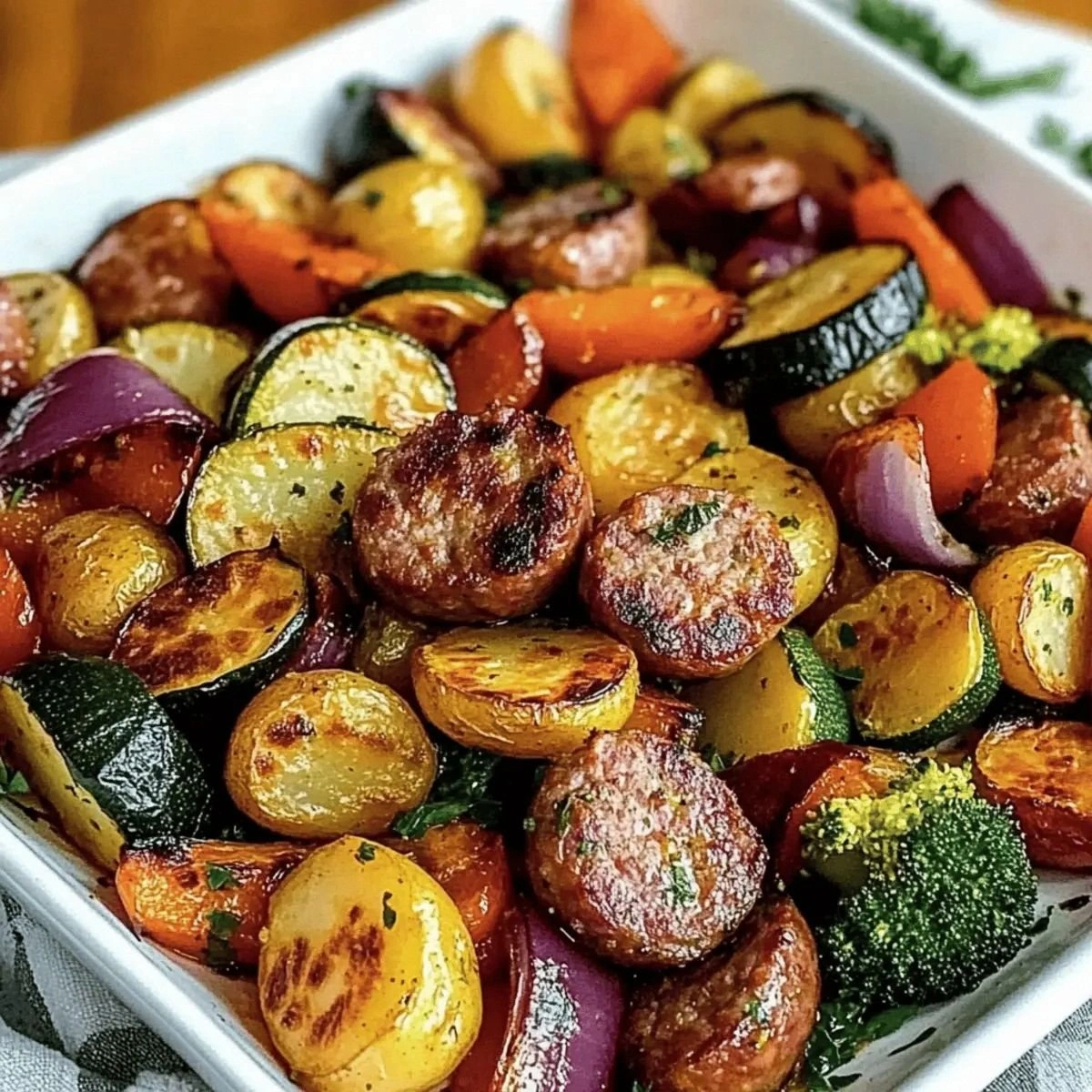
- The final 10-15 minutes are where patience pays off. You're looking for vegetables with golden edges, sausage that's plump and slightly crispy, and zucchini that's translucent at the edges but still holds its shape. The bottom of the pan should have caramelized bits that look like you're about to make the world's best pan sauce. If some pieces are browning too quickly, just move them around with a spatula—think of it as vegetable crowd control.
- Pull the pan from the oven and let it rest for exactly 5 minutes. I know you're tempted to dig in immediately, but this brief pause lets the juices redistribute and prevents third-degree burns on your tongue. Use this time to chop your fresh parsley and maybe pour yourself that well-deserved glass of wine. The vegetables will continue cooking slightly from residual heat, reaching that perfect tender-crisp texture.
- Scatter the parsley over everything and serve directly from the pan for maximum rustic appeal, or transfer to a platter if you're feeling fancy. The bottom of your pan should have these incredible caramelized bits—scrape them up and drizzle over everything for an extra flavor boost that'll make people think you've been holding out on them with secret cooking techniques.
That's it—you did it. But hold on, I've got a few more tricks that'll take this to another level...
Insider Tricks for Flawless Results
The Temperature Rule Nobody Follows
Here's where most home cooks sabotage themselves: they think one temperature fits all. Wrong! Starting at 425°F gives you that initial blast of heat for caramelization, but dropping to 400°F prevents the dreaded vegetable mush while ensuring everything cooks through. It's like having two ovens in one, and once you master this technique, every roasted vegetable in your life will improve dramatically. A friend tried skipping this step once—let's just say it didn't end well, and her "roasted" vegetables tasted like they'd been steamed in a sauna.
Why Your Nose Knows Best
Your nose is the most underrated kitchen tool you own. When you smell that nutty, almost popcorn-like aroma, your vegetables are perfectly roasted. If it smells sharp and vegetal, they need more time. If it smells burnt and acrid, you've gone too far. This isn't mystical chef nonsense—it's science. The Maillard reaction creates specific aromatic compounds that signal doneness better than any timer. Trust your senses; they've been refined over thousands of years of human cooking.
The 5-Minute Rest That Changes Everything
Resting isn't just for meat. Those five minutes off heat let the vegetables finish cooking from residual heat while the flavors meld into something greater than the sum of their parts. It's like a family reunion where everyone gets along—the sausage fat mingles with vegetable juices, creating this incredible sauce that coats everything. Skip this step and you've got good roasted vegetables. Include it and you've got a dish that makes people close their eyes and make inappropriate noises.
The Spacing Secret
Crowding is the enemy of caramelization. Every piece needs its personal space, like vegetables at a middle school dance. If they're touching, they'll steam instead of roast, and you'll end up with that sad, limp texture that gives roasted vegetables a bad name. Use two pans if necessary—better to wash an extra pan than serve mediocre vegetables. I learned this the hard way after feeding what should have been crispy potatoes to my in-laws. Never again.
Seasoning Timing That Actually Works
Season in layers, not all at once. Potatoes get the first hit of spice because they need the most time to absorb flavor. Quick-cooking vegetables like zucchini get seasoned right before they hit the pan so they don't weep moisture and get soggy. This method ensures every component tastes perfectly seasoned instead of bland with occasional salty spots. It's the difference between amateur and restaurant-quality results, and it takes exactly 30 extra seconds.
Creative Twists and Variations
This recipe is a playground. Here are some of my favorite ways to switch things up:
The Mediterranean Escape
Swap Italian sausage for spicy chorizo, add cherry tomatoes, Kalamata olives, and finish with fresh oregano and a squeeze of lemon. The chorizo's paprika and garlic transforms everything into something that tastes like summer in Barcelona. Use fingerling potatoes instead of baby potatoes, and add artichoke hearts in the last 10 minutes. Suddenly you're not in your kitchen—you're on a balcony overlooking the Mediterranean, even if it's actually Tuesday and you have a PTA meeting later.
The Harvest Moon Version
Fall calls for butternut squash cubes, Brussels sprouts halved, and sage sausage with a maple-mustard glaze. Add chopped apples in the last 15 minutes—they get this incredible texture that's soft but still holds shape, and their sweetness plays beautifully with the savory sausage. Finish with toasted pecans and you've got autumn on a plate. This version makes your house smell like you should be wearing flannel and planning a hayride.
The Spicy Weeknight Wake-Up
Use hot Italian sausage, add sliced jalapeños, and swap bell peppers for poblanos. Toss everything with a chipotle-lime oil that'll make your sinuses sing hallelujah. Add corn kernels in the last 10 minutes—they'll char and pop, adding sweetness to balance the heat. This is for those nights when you need dinner to be exciting because everything else about Tuesday is decidedly not.
The Garden Fresh Remix
Go meatless with plant-based sausage and load up on summer vegetables—zucchini, yellow squash, cherry tomatoes, and corn. Add fresh herbs like basil and thyme in the final minutes. The key is using really good olive oil and finishing with a balsamic glaze that makes everything taste like it was kissed by Italian sunshine. Even die-hard carnivores won't miss the meat when vegetables taste this indulgent.
The Breakfast-for-Dinner Special
Use breakfast sausage links, add sweet potato cubes, and include bell peppers and onions for that classic diner vibe. Crack a few eggs into wells during the last 8 minutes of cooking for built-in sauce. Finish with everything bagel seasoning and you've got breakfast for dinner that beats any diner short stack. Kids go absolutely feral for this version, and adults pretend they're being ironic while secretly loving every bite.
The Fancy-Pants Dinner Party
Use artisanal chicken-apple sausage, add fennel bulbs sliced thin, and include rainbow carrots for color. Finish with a grainy mustard vinaigrette and fresh tarragon. Serve over a bed of arugula that wilts slightly from the hot vegetables, creating this sophisticated wilted salad effect. Suddenly sheet pan dinner becomes dinner party fare, and your guests think you've been secretly attending culinary school.
Storing and Bringing It Back to Life
Fridge Storage
Let everything cool completely before storing—hot vegetables in a sealed container create condensation that leads to soggy sadness. Store in shallow containers so it cools faster and reheats more evenly. It'll keep for up to 4 days, but honestly, mine never lasts past day 2 because I keep "taste-testing" it straight from the fridge. The flavors actually improve overnight as everything marinates in the sausage juices. If you've ever struggled with meal prep boredom, this is your new best friend.
Freezer Friendly
Portion into freezer bags, squeeze out all the air, and freeze flat for up to 3 months. The texture won't be quite as perfect as fresh, but it's miles better than most frozen meals. Thaw overnight in the fridge, then reheat in a skillet with a splash of water to create steam. Add a handful of fresh vegetables during reheating to brighten everything up. Pro tip: freeze individual portions so you can grab lunch on your way out the door like a functional adult.
Best Reheating Method
Skip the microwave unless you enjoy rubbery sausage and sad vegetables. Instead, reheat in a skillet over medium heat with a tiny splash of water, covered for the first few minutes to create steam. Then uncover to let everything crisp back up. The oven works too—350°F for 10-12 minutes gets you close to fresh results. Add a tiny splash of water before reheating—it steams back to perfection and prevents everything from drying out like old shoe leather.