Picture this: I’m standing in a cramped kitchen, the stove humming like a low‑frequency bass, and the pantry door is jammed because the neighbor’s dog is chewing on my bag of flour. I’m staring at a pile of spaghetti, a jar of marinara, and a half‑empty bottle of olive oil. I’ve got a craving for something that feels like a hug in a bowl, but I can’t find the right recipe in the internet’s endless scroll. That’s when I decided to pull the ingredients together and turn a simple casserole into a Southern‑style masterpiece that will make your taste buds do the two‑step.
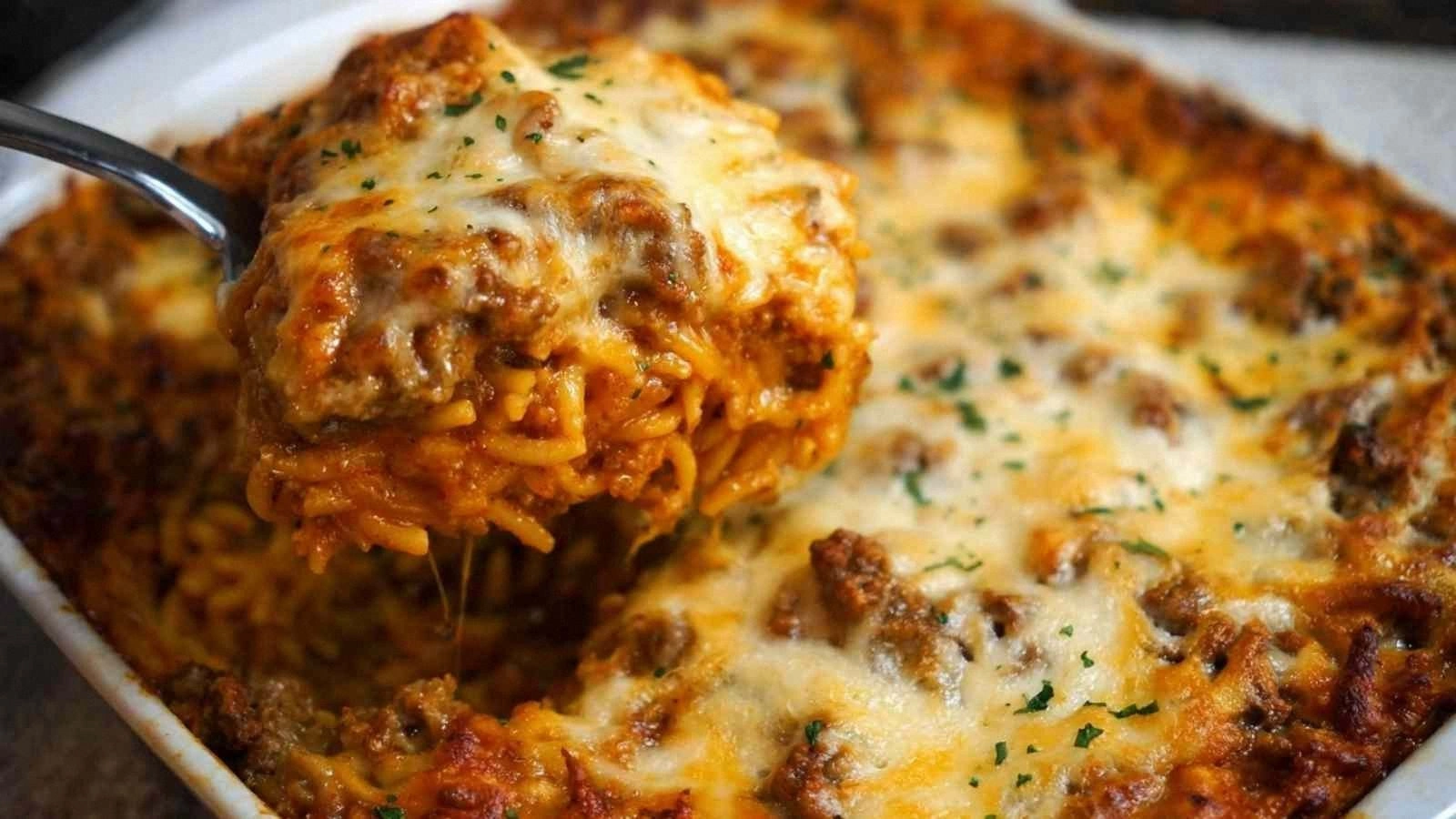
The first thing that hits you is the aroma—ground beef sizzling, onions caramelizing, and a faint peppery perfume from the fresh herbs. The sound is a rhythmic sizzle, the sight is a golden brown sear, and the texture is a promise of comforting goo. I swear this dish has a personality: it’s bold, unapologetic, and it never backs down from a challenge. When you take that first bite, the sauce coats the pasta like velvet, and the mozzarella melts into a silky, golden crust that crackles like a freshly popped corn chip.
I dare you to taste this and not go back for seconds. Most recipes get this completely wrong by over‑cooking the pasta or under‑seasoning the meat. I’ve spent years experimenting, and I’ve finally nailed the balance of flavors that feels both nostalgic and modern. It’s hands down the best version you’ll ever make at home, and I’m ready to walk you through every single step—by the end, you’ll wonder how you ever made it any other way.
If you’ve ever struggled with a casserole that comes out dry or too greasy, you’re not alone. I’ve got the fix. I’ll share the secret ingredient that keeps the sauce moist, the trick to getting that perfect cheese crust, and the method that ensures every bite is a masterpiece. Picture yourself pulling this out of the oven, the whole kitchen smelling incredible, and your guests lining up for seconds. Stay with me here—this is worth it.
What Makes This Version Stand Out
- Flavor Depth: The combination of fresh basil and oregano with a touch of black pepper gives the sauce a bright, herbaceous finish that cuts through the richness of the beef.
- Texture Contrast: The al dente spaghetti pairs with a crisp, golden cheese topping that shatters like thin ice when you bite into it.
- Ingredient Quality: Using lean ground beef and fresh vegetables ensures a clean, hearty flavor without unnecessary fat.
- Simple Prep: Less than 15 minutes of prep time means you can have dinner ready before your kids finish their homework.
- Make‑Ahead Friendly: Assemble it the night before, refrigerate, and bake in the morning—no extra effort, just maximum flavor.
- Southern Flair: A splash of fresh herbs and a generous layer of cheese bring a Southern comfort vibe to classic baked spaghetti.
- Kid‑Approved: The gooey cheese and mild tomato base make it a hit with picky eaters.
Inside the Ingredient List
The Flavor Base
Ground beef is the heart of this dish, providing a robust, meaty foundation that balances the acidity of the tomatoes. Use lean beef to keep the casserole from drowning in oil, but feel free to swap for ground pork or turkey if you prefer a different flavor profile. If you skip the beef, the casserole loses its depth; the tomato sauce alone will feel thin and watery.
Olive oil is the secret to a silky sauce. It coats the meat and vegetables, allowing the flavors to meld. If you’re watching calories, a teaspoon of oil is enough—just remember that the sauce will still be moist thanks to the tomatoes.
Onion and green bell pepper bring a natural sweetness and a hint of earthiness. Dice them finely so they cook quickly and release their sugars. If you can’t find green peppers, red or yellow work just as well, adding a pop of color.
The Texture Crew
Spaghetti is the canvas for this casserole. Use uncooked pasta so it absorbs the sauce as it bakes, resulting in a tender bite. If you’re short on time, pre‑cook the pasta until just al dente, then drain and let it cool before adding to the dish.
Garlic adds a punch of flavor that’s essential to any Italian‑style sauce. Mince it finely to avoid large chunks that might overpower the dish. If you’re sensitive to garlic, use a smaller amount or omit it entirely; the dish will still be delicious.
Parmesan and mozzarella are the cheese duo that creates the signature gooey, golden crust. Parmesan adds a nutty, salty depth, while mozzarella provides a stretchy, melty texture. For a sharper cheese bite, add a sprinkle of provolone or cheddar.
The Unexpected Star
Canned diced tomatoes bring moisture and acidity that cut through the richness of the beef and cheese. Use high‑quality tomatoes for the best flavor; avoid low‑acid varieties that can make the sauce too sweet.
Marinara sauce adds body and a hint of sweetness. A homemade sauce would be ideal, but a store‑bought jar works just fine. Look for one with no added sugars for a cleaner taste.
Fresh basil and oregano are the aromatic finish that elevates the casserole to the next level. If fresh herbs are out of season, dried herbs are acceptable, but use half the amount to avoid bitterness.
The Final Flourish
Salt and pepper are the essential seasoning that bind all the flavors together. Add salt early in the cooking process so it can dissolve into the sauce. Pepper adds a subtle heat—adjust to taste.
A splash of water or broth before reheating keeps the casserole moist and prevents the cheese from drying out. This small trick can turn a reheated dish into a fresh‑baked experience.
Everything’s prepped? Good. Let’s get into the real action.
The Method — Step by Step
- Heat a large skillet over medium heat and add the tablespoon of olive oil. Once hot, add the ground beef, breaking it up with a wooden spoon. Cook until the meat is browned and no longer pink, about 5–7 minutes. Drain any excess fat before proceeding. The goal is a deep brown color; it should smell savory and slightly caramelized.
- Add the diced onion and bell pepper to the skillet. Sauté for 3–4 minutes until the vegetables soften and the onion becomes translucent. The onions should release their natural sugars, creating a sweet undertone that balances the acidity of the tomatoes.
- Stir in the minced garlic and cook for an additional 30 seconds, just until fragrant. Garlic is volatile; too long and it turns bitter. The aroma should be unmistakably garlicky, not overpowering.
- Pour in the diced tomatoes and marinara sauce, stirring to combine. Add the fresh basil and oregano. Bring the mixture to a simmer and let it cook for 10 minutes, allowing the flavors to meld and the sauce to thicken slightly. Keep the heat low to prevent the sauce from boiling over.
- Season with salt and pepper to taste. The salt should be added gradually; you can always add more later. The pepper adds a subtle heat that complements the herbs.
- Preheat your oven to 375°F (190°C). Spread the cooked spaghetti evenly in a 9x13-inch baking dish. Pour the sauce over the pasta, ensuring it’s well distributed. This step is critical for a uniform bite.
- Sprinkle the grated Parmesan and shredded mozzarella over the top. The mozzarella should cover most of the surface, while the Parmesan adds a nutty crust. If you like a crispier top, broil for 1–2 minutes at the end, watching closely.
- Bake for 25–30 minutes, or until the cheese is bubbly and golden and the sauce has thickened. Remove the casserole from the oven and let it rest for 5 minutes before serving. The resting period allows the sauce to set, making it easier to slice.
That’s it—you did it. But hold on, I’ve got a few more tricks that will take this to another level. These little adjustments will elevate the flavor profile, improve the texture, and make the dish even more memorable.
If you’re a fan of a little heat, add a pinch of red pepper flakes to the sauce. If you’re looking for a deeper umami punch, finish the casserole with a drizzle of balsamic glaze before serving. And remember, the key to a perfect casserole is the balance of moisture and cheese—don’t skimp on the sauce.
Insider Tricks for Flawless Results
The Temperature Rule Nobody Follows
Bake at 375°F, not 425°F. A higher temperature will char the cheese before the sauce has a chance to thicken. The 375°F setting allows the flavors to develop while keeping the top golden.
Why Your Nose Knows Best
Smell the sauce as it simmers. It should emit a sweet, tomato‑rich aroma. If it starts to smell too sharp or burnt, lower the heat or stir it gently.
The 5-Minute Rest That Changes Everything
Let the casserole sit for 5 minutes after baking. This resting period allows the sauce to set, so it won’t slide off the pasta when you cut it. A quick rest also lets the cheese meld with the other flavors.
Keep It Moist, Not Dry
If the sauce seems thin, add a splash of water or broth before baking. This keeps the casserole juicy and prevents the cheese from becoming rubbery.
Avoid Over‑Mixing
When combining the pasta and sauce, stir gently. Over‑mixing can break down the pasta strands, leading to a mushy texture.
Creative Twists and Variations
This recipe is a playground. Here are some of my favorite ways to switch things up:
Spicy Cajun Edition
Add a teaspoon of Cajun seasoning to the meat and a pinch of cayenne pepper to the sauce. The result is a fiery casserole that still feels comforting. Perfect for a summer cookout.
Mediterranean Twist
Swap the marinara for a tomato‑olive sauce and add chopped kalamata olives, sun‑dried tomatoes, and feta cheese. The olive oil will shine through, giving a briny kick.
Vegan Version
Use plant‑based ground “beef” and vegan mozzarella. Skip the Parmesan or use a vegan alternative. The flavors remain rich, and the dish stays hearty.
Cheese‑Loaded Supreme
Add a third cup of shredded cheddar or a handful of pepper jack for a sharper, more complex melt. The extra cheese creates a gooey, indulgent experience.
Low‑Carb Variation
Replace spaghetti with zucchini noodles or shirataki noodles. Keep the sauce and cheese the same; the dish becomes a lighter, keto‑friendly option.
Storing and Bringing It Back to Life
Fridge Storage
Cool the casserole to room temperature, then cover tightly with foil or a plastic lid. Store in the refrigerator for up to 3 days. The flavors deepen, and the cheese remains melty.
Freezer Friendly
Wrap the casserole in parchment paper and then in foil. Freeze for up to 2 months. Thaw overnight in the fridge before reheating.
Best Reheating Method
Add a splash of water or broth before reheating to keep the sauce moist. Reheat in a covered pot on the stove over low heat, stirring occasionally, or in the oven at 350°F for 15–20 minutes. The cheese will regain its silky texture.