Picture this: it’s a gray, drizzly Tuesday, you’ve just walked in from the cold, and the only thing that could possibly rescue you from the gloom is a bowl of soup that feels like a warm hug from an old friend. I was standing in my kitchen, staring at a half‑finished pot of chicken broth that smelled like a sad, thin broth, when I thought, “What if I could turn this into something so creamy, so comforting, that even the clouds outside would want a taste?” That thought turned into a culinary experiment that ended with me scooping the last spoonful before anyone else even had a chance to try it. I’ll be honest — I ate half the batch before anyone else got to taste it, and I’m still not sorry.
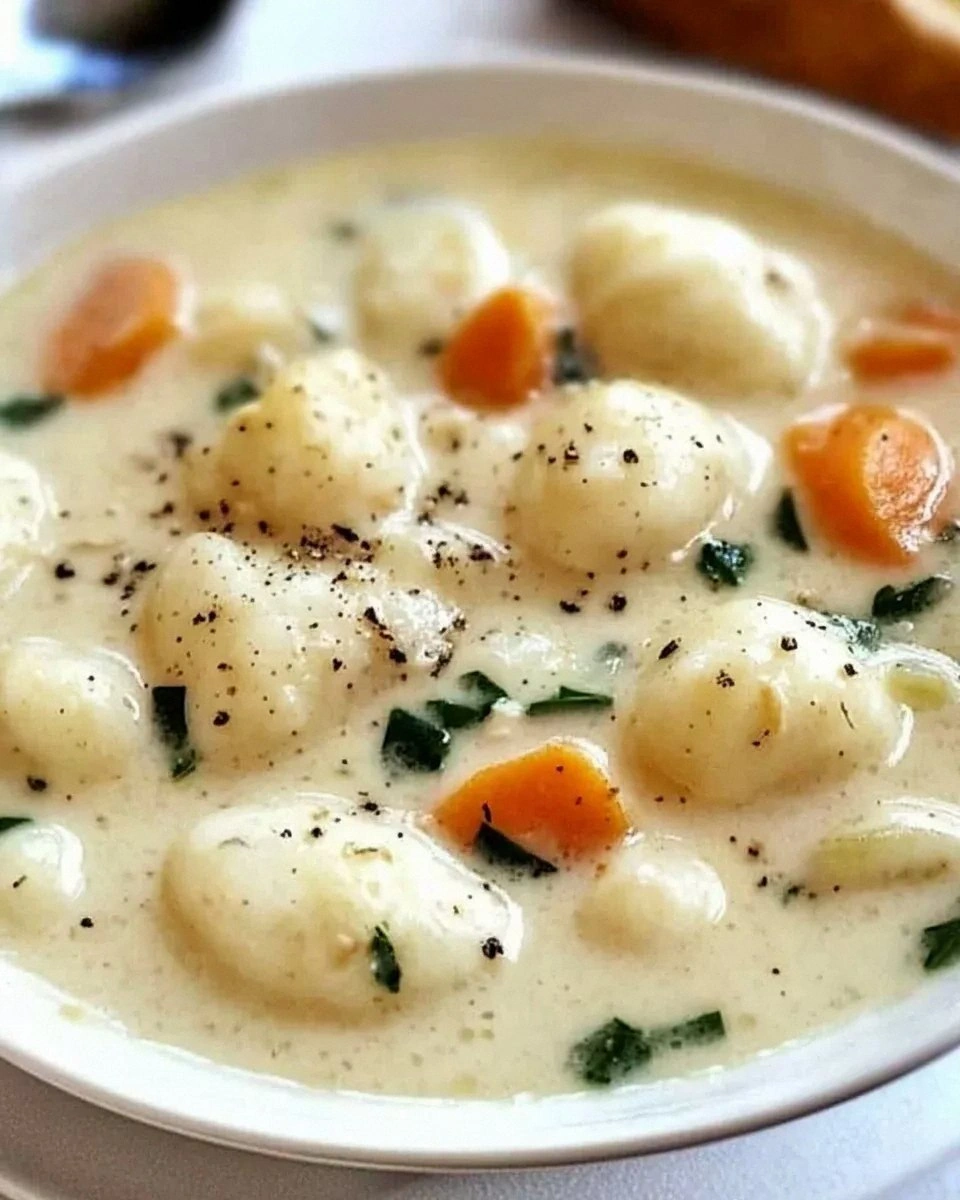
The moment the first spoon of this soup hits your tongue, you’ll notice a texture that’s somewhere between velvety silk and a cloud that decided to stay a little longer in the kitchen. The gnocchi float like tiny, pillowy boats, each one coated in a buttery, half‑and‑half‑rich broth that clings to the chicken pieces like a secret love letter. The aroma? Imagine the scent of a fresh garden after rain, mixed with the comforting whisper of a slow‑cooked chicken stock. You’ll hear the gentle simmer, the occasional pop of garlic meeting hot oil, and the soft rustle of spinach leaves as they wilt into the broth. It’s a full‑on sensory symphony that makes you want to hug the pot and never let go.
Most chicken gnocchi soups out there either drown the gnocchi in a watery broth or drown the broth in a cheese‑laden swamp. Most recipes get this completely wrong. Here’s what actually works: a careful balance of broth, half‑and‑half, and a splash of olive oil to create a sauce that coats the gnocchi like velvet, while still letting the chicken shine through. The secret weapon? A quick sauté of onions, celery, and carrots that builds a flavor base deeper than any store‑bought stock could ever hope to achieve. And if you’ve ever struggled with a soup that separates or feels greasy, you’re not alone — I’ve got the fix.
Okay, ready for the game‑changer? I’m about to walk you through every single step — by the end, you’ll wonder how you ever made this dish any other way. I dare you to taste this and not go back for seconds. Let’s dive in and create the best creamy chicken gnocchi soup you’ll ever make at home.
What Makes This Version Stand Out
- Flavor Depth: The sautéed aromatics create a foundation that’s richer than any instant broth, delivering layers of onion, celery, and carrot sweetness that linger on the palate.
- Creamy Consistency: Half‑and‑half is folded in at just the right moment, giving the soup a luxurious mouthfeel without turning it into a cheese dip.
- Gnocchi Perfection: The gnocchi are added at the end, allowing them to absorb the broth without becoming mushy — each bite is a perfect pillow of potato goodness.
- Simplicity: Despite its gourmet vibe, the recipe uses pantry staples and takes under an hour from start to finish.
- crowd‑Pleaser: Even the pickiest eaters love the subtle herb notes and the gentle spice of thyme, making it a reliable go‑to for dinner parties.
- Ingredient Quality: Using low‑sodium chicken broth lets you control the salt level, preventing that dreaded “over‑salty” soup syndrome.
- One‑Pot Wonder: All the magic happens in a single pot, meaning fewer dishes and more time to enjoy the aroma filling your home.
- Make‑Ahead Potential: This soup freezes beautifully; just reheat, add a splash of half‑and‑half, and you’ve got a next‑day comfort meal ready to go.
Inside the Ingredient List
The Flavor Base
1 tablespoon olive oil: This is the silent hero that carries the aromatics without burning. Olive oil’s slight fruitiness rounds out the onion’s sharpness. If you skip it, you’ll end up with a dry sauté and a flat‑tasting broth. For a richer flavor, swap half the olive oil for butter, but keep an eye on the heat to avoid scorching.
½ white onion: The onion provides a sweet foundation once it caramelizes. Slice it thin so it softens quickly, and don’t rush the sweat; you want it translucent, not browned. If you’re out of white onion, a yellow onion works, but the flavor will be a tad sweeter.
1 stalk celery: Celery adds that subtle earthy crunch that balances the broth’s richness. Dice it finely so it melds into the sauce. Forgetting celery is a common mistake that leaves the soup missing its “secret garden” note.
½ cup shredded carrots: Carrots contribute a natural sweetness and a splash of color that makes the soup look as inviting as it tastes. Grate them finely to ensure they melt into the broth, releasing their sugars.
The Texture Crew
2 teaspoons minced garlic: Garlic brings a pungent kick that cuts through the creaminess. Add it after the onion and celery have softened, letting it bloom for 30 seconds before the broth arrives. Overcooking garlic makes it bitter, so watch the clock.
4 cups low‑sodium chicken broth: This is the backbone of the soup. Low‑sodium lets you season to taste later, preventing a salty surprise. If you have homemade broth, even better — it adds depth that store‑bought can’t match.
3 cooked boneless: Cooked boneless chicken (usually breasts) provides protein and heartiness. Shred it into bite‑size pieces so it distributes evenly. Using rotisserie chicken saves time and adds a subtle smoky note.
The Unexpected Star
1 teaspoon thyme: Thyme’s earthy, slightly floral flavor elevates the broth without overpowering. Fresh thyme works wonders, but dried thyme is fine — just use half the amount. Skipping thyme makes the soup taste flat, like a movie without a soundtrack.
16 oz potato gnocchi: The gnocchi are the star of the show, absorbing the broth while retaining a delicate bite. Fresh gnocchi works best, but frozen works too; just add a minute or two to the cooking time.
The Final Flourish
2 cups half and half: This dairy component creates that luxurious creaminess. Add it slowly, stirring constantly, to prevent curdling. If you prefer a lighter version, substitute half the half and half with whole milk, but expect a thinner texture.
1 cup fresh spinach: Spinach adds a pop of color and a mild, earthy flavor that brightens the soup. Toss it in at the end; it wilts in 30 seconds, preserving its vibrant green hue.
Salt and pepper to taste: Season at the end to adjust for the broth’s natural saltiness. Freshly cracked black pepper adds a subtle heat that rounds out the flavor profile.
Everything's prepped? Good. Let’s get into the real action…
The Method — Step by Step
Heat a large Dutch oven over medium heat and add the tablespoon of olive oil. When the oil shimmers, toss in the diced onion, celery, and shredded carrots. Stir constantly for about 5‑7 minutes until the vegetables are soft and the onion becomes translucent. That sizzle when it hits the pan? Absolute perfection. Power tip: Keep the heat moderate; you want the veggies to sweat, not brown.
Add the minced garlic and let it bloom for 30 seconds, just until fragrant.
Kitchen Hack: If the garlic starts to brown too quickly, splash a teaspoon of broth to cool the pan and keep the flavor bright.Pour in the 4 cups of low‑sodium chicken broth, scraping the bottom of the pot to release any caramelized bits. Bring the mixture to a gentle boil, then reduce to a simmer. At this point, you’ll notice a faint steam that carries the scent of sautéed veggies — that’s your cue that the flavor base is marrying together.
Add the cooked boneless chicken, thyme, and a pinch of salt and pepper. Let the soup simmer for 10 minutes, allowing the chicken to soak up the broth’s aromatics.
Watch Out: Do not let the broth boil vigorously after adding the half‑and‑half, or it will curdle.Stir in the half‑and‑half slowly, whisking continuously. The soup will turn a beautiful ivory color, and you’ll feel the texture thicken like a velvety sauce. Keep the heat on low, letting it gently bubble for 5 minutes. This is the moment of truth — the broth should coat the back of a spoon without running off.
Now, the fun part: add the gnocchi. Drop them in one‑by‑one, giving each a gentle nudge so they don’t stick together. Cook for 2‑3 minutes, or until the gnocchi float to the surface, indicating they’re perfectly al dente.
Kitchen Hack: If you’re using frozen gnocchi, give them an extra minute; they’ll need a bit more time to rise.Just before serving, fold in the fresh spinach. It wilts in seconds, turning a vibrant green that adds both color and a subtle earthiness. Taste and adjust seasoning with salt and pepper, remembering that the broth was low‑sodium to begin with.
Turn off the heat and let the soup rest for a minute. This short rest allows the flavors to meld, creating a harmonious finish. Ladle the soup into bowls, garnish with a drizzle of olive oil and a sprinkle of fresh thyme if you like, and watch your guests’ faces light up. That moment when the first spoonful hits the tongue? Pure magic.
That's it — you did it. But hold on, I've got a few more tricks that'll take this to another level…
Insider Tricks for Flawless Results
The Temperature Rule Nobody Follows
Never add the half‑and‑half over high heat. The dairy will separate, leaving you with a curdled mess. Keep the pot on low‑medium, and whisk constantly. I once tried to rush this step and ended up with a soupy cheese curd that looked like a failed science experiment. Trust the low heat; the soup will stay smooth and glossy.
Why Your Nose Knows Best
Before you even taste, let your nose guide you. When the aromatics are perfectly sautéed, you’ll smell a sweet, slightly nutty fragrance. If the scent is still sharp or raw, give the veggies another minute. Your nose can detect under‑cooked onions faster than any timer.
The 5‑Minute Rest That Changes Everything
After you finish cooking, turn off the burner and let the soup sit, covered, for five minutes. This rest lets the starch from the gnocchi release a little, thickening the broth naturally. It also gives the thyme a chance to fully infuse. Skipping this step means a thinner soup and a less cohesive flavor.
Gnocchi Timing Mastery
Fresh gnocchi cook in 2‑3 minutes, but frozen varieties need about 4‑5 minutes. The rule of thumb: when they float, they’re done. If they sink, give them another minute. Overcooking turns them mushy, which defeats the whole purpose of that pillowy texture.
Seasoning Layer by Layer
Instead of dumping all the salt at the beginning, season in stages: a pinch with the aromatics, a dash after adding the broth, and a final tweak after the half‑and‑half. This layered approach prevents the soup from ever becoming overly salty, especially important when using low‑sodium broth.
Creative Twists and Variations
This recipe is a playground. Here are some of my favorite ways to switch things up:
Spicy Southwest
Swap thyme for a teaspoon of smoked paprika and add a diced jalapeño with the aromatics. Finish with a squeeze of lime and a handful of chopped cilantro. The heat pairs beautifully with the creamy broth, making it a perfect chilly‑day comfort with a kick.
Mushroom Medley
Replace the chicken with a mix of sautéed cremini and shiitake mushrooms. Add a splash of sherry wine when deglazing the pan. The earthy mushrooms deepen the umami, turning the soup into a vegetarian delight that still satisfies.
Cheesy Delight
Stir in a half‑cup of grated Parmesan during the final minute of simmering. The cheese melts into the half‑and‑half, creating a richer, slightly tangy profile. Top with extra Parmesan before serving for a crunchy finish.
Herb Garden
Introduce a medley of fresh herbs — basil, parsley, and tarragon — in place of thyme. Add them at the end to preserve their bright flavors. This variation is perfect for spring when herbs are at their peak.
Winter Warmth
Swap half the half‑and‑half for coconut milk, add a pinch of nutmeg, and toss in some roasted butternut squash cubes. The soup becomes a cozy, slightly sweet comfort that feels like a hug on a cold night.
Storing and Bringing It Back to Life
Fridge Storage
Allow the soup to cool to room temperature, then transfer it to an airtight container. It will keep for up to 4 days in the refrigerator. When reheating, do it over low heat, stirring occasionally, and add a splash of half‑and‑half to restore creaminess.
Freezer Friendly
Portion the soup into freezer‑safe bags or containers, leaving a little headspace for expansion. Freeze for up to 3 months. To reheat, thaw overnight in the fridge, then warm gently on the stove, adding a splash of water or broth to loosen the sauce before stirring in fresh half‑and‑half.
Best Reheating Method
For the ultimate texture, reheat the soup in a saucepan over medium‑low heat, stirring constantly. When it’s just about to simmer, stir in a tablespoon of water or broth per cup of soup. This steam‑back technique revives the creaminess without making it greasy.