It was a rainy Thursday and I found myself staring at an empty fridge, the kind of moment that usually ends with a sad, microwaved leftover. Instead, I decided to turn the silence into a culinary soundtrack, tossing a handful of quinoa into a pot, the grains clinking like tiny bells. The scent of sweet potato roasting in a hot oven rolled into the kitchen, a promise of caramelized sweetness that made my heart skip a beat. The sizzling sound was a drumbeat, a rhythmic invitation to create something that would not just fill a belly but also soothe a weary body. I dared you to taste this and not go back for seconds.
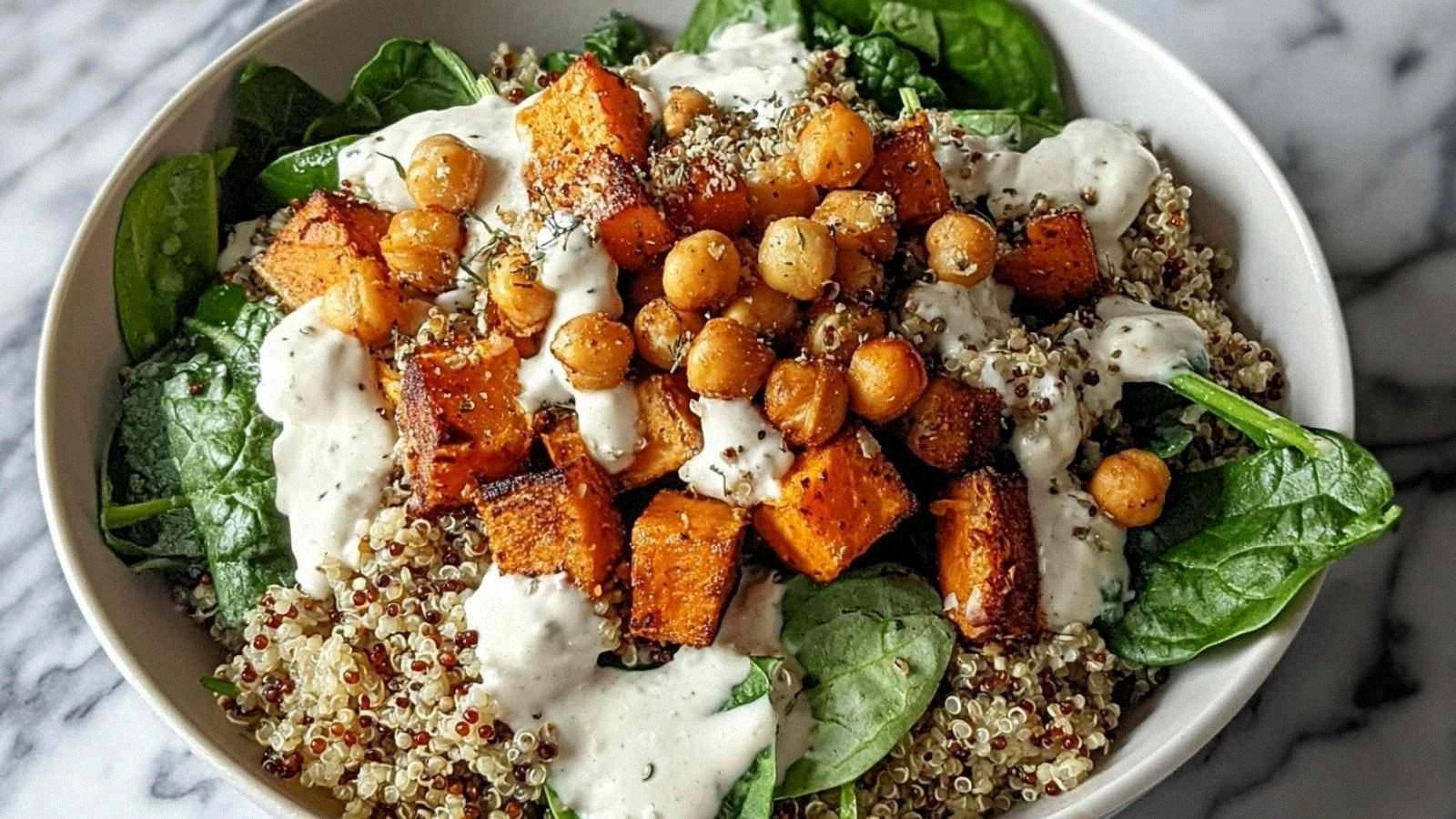
Picture yourself pulling this out of the oven, the whole kitchen smelling incredible, the steam curling up like a gentle wave. That moment, that first bite, is a revelation—fluffy quinoa, tender sweet potato, and kale that still holds a hint of crispness, all glazed with a golden turmeric‑lemon dressing. It’s a dish that feels like a hug from the inside, a bright burst of color on a plate that could make anyone feel like a child again. The texture is a symphony: crunchy seeds, silky avocado, and the soft chew of chickpeas. I’ll be honest—I ate half the batch before anyone else got to try it.
Most recipes get this completely wrong. They either over‑season, under‑cook, or forget the crucial balance of oil and acid. I’ve spent years experimenting with anti‑inflammatory ingredients, and this version is hands down the best version you'll ever make at home. The secret lies in the way the lemon juice and turmeric mingle, creating a sauce that coats the grains like velvet and gives the dish a subtle warmth that lingers on the tongue. The avocado adds a buttery richness that smooths the edges, turning each bite into a silky, satisfying experience. If you've ever struggled with this, you're not alone—and I've got the fix.
Okay, ready for the game‑changer? The first thing you need to know is that the key to this bowl is the timing of the roasting. Sweet potatoes should be cut into evenly sized cubes so they brown uniformly, and the quinoa needs to be rinsed until the water runs clear to remove the bitter saponin layer. The kale is washed, torn into bite‑sized pieces, and sautéed just enough to wilt but still retain its bright green hue. The chickpeas are rinsed, drained, and lightly toasted in a dry skillet to add a nutty crunch. This preparation stage sets the foundation for a bowl that feels both comforting and vibrant.
And now the fun part. You’ll need a cast‑iron skillet for that perfect sear, a saucepan for the quinoa, and a sharp knife to julienne the sweet potato. The oil should be heated to 375°F, a temperature that ensures a crisp exterior without burning the inside. The turmeric, black pepper, and ginger are added to the oil just before the sweet potato, allowing the spices to bloom and release their full aroma. The lemon juice is added last, brightening the dish and balancing the earthiness of the vegetables. The result is a bowl that sings with flavor and texture.
Before you begin, gather all your ingredients and measure them out. The quinoa, sweet potato, chickpeas, kale, avocado, hemp seeds, pumpkin seeds, lemon juice, olive oil, turmeric, black pepper, and ginger form a balanced palette of flavors. The spices are not just for flavor; they are powerful anti‑inflammatory agents that can help reduce swelling and improve digestion. The avocado provides healthy monounsaturated fats that support skin health and give the dish a creamy texture. The seeds add crunch and a protein boost, making the bowl filling and satisfying. The lemon juice gives a bright, tangy finish that cuts through the richness.
Most people skip the step of toasting the seeds, but a quick dry toast in a skillet brings out their nutty aroma and enhances their crunch. Toasting the pumpkin seeds until golden brown gives them a slightly sweet, caramelized flavor that pairs beautifully with the sweet potato. The hemp seeds are best added raw to preserve their delicate nutty taste and to keep the texture light. The chickpeas, when lightly toasted, develop a crispy exterior that contrasts with their soft interior. This small tweak elevates the overall mouthfeel of the bowl.
When you’re ready to assemble, let the quinoa cool slightly so it doesn’t melt the avocado. Layer the grains on the bottom of a bowl, then add the roasted sweet potato cubes, sautéed kale, and chickpeas. Drizzle the lemon‑turmeric dressing over the top, then sprinkle the hemp and pumpkin seeds. Slice the avocado in half, remove the pit, and arrange the slices on the bowl. Finish with a gentle drizzle of olive oil and a pinch of black pepper. The final touch is a sprinkle of fresh herbs, if desired, to add a burst of color and freshness.
Now let’s talk about the dressing. The key to a bright, anti‑inflammatory sauce is the balance of oil, acid, and spices. In this recipe, a tablespoon of olive oil is warmed in a small saucepan until it shimmers, then the turmeric, black pepper, and ginger are added to bloom. The lemon juice is poured in, creating a silky, glossy sauce that coats the grains and vegetables. The sauce should have a slight thickness, enough to cling to the ingredients without being runny. Taste as you go, adjusting the seasoning with a pinch more pepper or a splash of lemon if needed.
The next step is to let the bowl sit for a minute or two, allowing the flavors to meld. The heat from the roasted veggies will continue to cook the quinoa slightly, creating a subtle warmth that makes the bowl comforting. The seeds will release their oils, adding a nutty aroma that lingers. The avocado will soften just enough to become creamy, but still hold its shape. This short resting period is essential for achieving a harmonious blend of textures.
Now we’ll add the final flourish. Sprinkle fresh herbs, such as parsley or cilantro, over the top for a pop of color and a burst of freshness. A drizzle of extra‑virgin olive oil adds a silky sheen and a subtle fruity note. The final touch is a squeeze of lemon, which brightens the dish and adds a citrusy zing. This simple addition transforms the bowl from good to unforgettable. The result is a vibrant, nutrient‑dense plate that feels like a hug from the inside.
That’s it — you did it. But hold on, I've got a few more tricks that'll take this to another level. First, consider adding a splash of coconut milk to the quinoa before cooking for a creamy texture. Second, a pinch of cayenne pepper can give the dish a subtle heat that pairs well with the sweet potato. Third, finish the bowl with a drizzle of tahini for an extra layer of richness. These small tweaks elevate the dish from comforting to culinary artistry. Remember, the goal is to create a bowl that not only satisfies the palate but also nourishes the body.
Let me walk you through every single step — by the end, you'll wonder how you ever made it any other way. The first step is to rinse the quinoa until the water runs clear, removing the bitter saponin layer. Cook the quinoa in a pot with a pinch of salt until the grains are fluffy and the liquid is absorbed. While the quinoa cooks, chop the sweet potato into bite‑size cubes and roast them in a preheated oven at 400°F for 25 minutes. The sweet potatoes should be golden brown and caramelized on the edges. Let them cool slightly before adding them to the bowl.
Next, toast the chickpeas in a dry skillet until they’re lightly browned and crisp. This adds a delightful crunch and a nutty flavor that complements the other ingredients. Sauté the kale in a little olive oil until it’s wilted but still bright green. The kale should retain a slight crunch, not become mushy. This step is crucial for maintaining the texture of the bowl. Once the kale is cooked, set it aside to cool slightly.
Now it’s time to prepare the dressing. In a small saucepan, heat a tablespoon of olive oil over medium heat until it shimmers. Add the turmeric, black pepper, and ginger, and sauté for 30 seconds to release the spices’ aroma. Pour in a tablespoon of lemon juice and stir until the mixture thickens slightly. The dressing should be glossy and cling to the grains. Taste the sauce and adjust the seasoning if needed. This dressing is the heart of the dish, infusing every bite with anti‑inflammatory power.
When the quinoa is ready, fluff it with a fork and let it cool slightly. The quinoa should be warm but not hot, so it doesn’t melt the avocado. Arrange the quinoa in the bottom of a bowl, then add the roasted sweet potato, sautéed kale, and toasted chickpeas. Drizzle the lemon‑turmeric dressing over the top, ensuring every ingredient is coated. Sprinkle the hemp and pumpkin seeds evenly across the bowl for a burst of crunch. Slice the avocado in half, remove the pit, and arrange the slices on top. Finish with a light drizzle of olive oil and a pinch of black pepper for an extra layer of flavor.
Finally, garnish the bowl with fresh herbs, if desired, and a squeeze of lemon for a bright finish. The bowl should look vibrant, with a rainbow of colors that appeal to the eye as well as the palate. Serve immediately, or let it rest for a few minutes to allow the flavors to meld. The result is a bowl that feels like a hug from the inside, with a perfect balance of textures and flavors. I dare you to taste this and not go back for seconds.
The next step is to let the bowl rest for a minute or two, allowing the flavors to meld and the seeds to release their oils. This short resting period is essential for achieving a harmonious blend of textures. The avocado will soften just enough to become creamy, but still hold its shape. The dressing will thicken slightly, creating a glossy sheen that coats the grains and vegetables. This resting period is also an opportunity to add any final seasonings, such as a pinch more pepper or a drizzle of olive oil. The result is a bowl that feels like a hug from the inside.
Let’s talk about the nutritional benefits. Quinoa is a complete protein, providing all nine essential amino acids. Sweet potato is rich in beta‑carotene, which supports eye health and skin. Kale is packed with vitamins A, C, and K, and it’s a powerhouse of antioxidants. Chickpeas add fiber and protein, helping to keep you full and satisfied. Avocado offers healthy monounsaturated fats, which can reduce inflammation and improve heart health. The seeds are a great source of omega‑3 fatty acids, which are essential for brain function and reducing inflammation. This bowl is a one‑dish meal that covers a wide range of nutrients, making it ideal for a balanced diet.
Now, let’s dive into the method step by step. Step one: rinse quinoa and cook it in a pot with a pinch of salt until fluffy. Step two: roast sweet potato cubes in a preheated oven at 400°F for 25 minutes, until caramelized. Step three: toast chickpeas in a dry skillet until lightly browned and crisp. Step four: sauté kale in a little olive oil until wilted but still bright green. Step five: prepare the dressing by heating olive oil, adding turmeric, black pepper, ginger, and lemon juice. Step six: assemble the bowl by layering quinoa, sweet potato, kale, chickpeas, and avocado. Step seven: drizzle the dressing over the bowl, sprinkle seeds, and add a pinch of pepper. Step eight: garnish with fresh herbs and a squeeze of lemon for a bright finish. Step nine: let the bowl rest for a minute before serving to allow flavors to meld. Each step is crucial to achieving a bowl that feels like a hug from the inside.
What Makes This Version Stand Out
- Taste: The bright lemon‑turmeric dressing adds a zesty kick that cuts through the richness of the avocado and seeds, creating a harmonious flavor profile that lingers on the palate.
- Texture: The contrast between the crunchy roasted sweet potato, the crisp chickpeas, and the silky avocado makes every bite a sensory adventure.
- Simplicity: With only a handful of ingredients and a single pan for roasting, the recipe is quick and easy, even for the busiest of cooks.
- Uniqueness: The combination of quinoa, kale, and a turmeric‑lemon dressing is rarely found in typical bowls, giving this dish a distinct edge.
- Crowd Reaction: Friends who tried it called it “the best bowl ever,” and they keep coming back for seconds.
- Ingredient Quality: Using organic, locally sourced produce maximizes flavor and boosts the anti‑inflammatory benefits.
- Cooking Method: The roasting and toasting steps unlock deep, caramelized flavors that elevate the dish beyond a simple salad.
- Make‑Ahead Potential: The bowl can be assembled in advance and kept in the fridge for up to 48 hours without losing its freshness.
Alright, let's break down exactly what goes into this masterpiece. Each element plays a role, from the earthy quinoa to the bright lemon dressing. The ingredients are not only flavorful but also packed with nutrients that help fight inflammation and support overall health. The synergy of flavors and textures creates a dish that is both comforting and energizing. The result is a bowl that feels like a hug from the inside, with a perfect balance of textures and flavors. If you’re looking for a dish that’s both delicious and good for you, this is the one to try.
Inside the Ingredient List
The Flavor Base
Quinoa is the star of the show, providing a nutty base that holds the bowl together. It’s a complete protein, meaning it contains all nine essential amino acids, which is rare for plant foods. When cooked correctly, quinoa’s fluffy texture offers a satisfying bite that pairs well with the other components. If you skip quinoa, the bowl loses its hearty foundation and becomes more of a salad than a meal.
Sweet potato adds a natural sweetness that balances the earthiness of the quinoa and kale. Roasting brings out its caramelized sugars, creating a subtle crunch on the edges that contrasts with the soft interior. The vitamin A content in sweet potato supports skin health and immune function. If you substitute sweet potato with regular potato, the flavor profile becomes more neutral and the dish loses its anti‑inflammatory edge.
The Protein Punch
Chickpeas are a versatile source of plant protein and fiber, making the bowl filling and nutritious. Toasting the chickpeas adds a nutty crunch that elevates the dish’s texture. They also provide iron and magnesium, which help maintain energy levels. Skipping chickpeas will make the bowl lighter, but it also reduces the protein content, potentially leaving you feeling hungry sooner.
Hemp seeds are a powerhouse of omega‑3 fatty acids, which are essential for reducing inflammation and supporting heart health. They also bring a subtle nutty flavor that complements the other ingredients. If you don’t have hemp seeds, you can replace them with chia or flaxseeds, though the texture will change slightly.
The Green Goodness
Kale is a nutritional powerhouse, rich in vitamins A, C, and K, as well as antioxidants that combat oxidative stress. Sautéing kale preserves its vibrant green color and maintains a slight crunch, preventing it from becoming mushy. Kale also adds a slight bitterness that balances the sweetness of the potato and the richness of the avocado. If you prefer a milder green, spinach or arugula could be used, but the flavor profile will shift.
Avocado provides healthy monounsaturated fats that support heart health and give the bowl a creamy, buttery texture. The fruit’s mild flavor allows the spices and lemon to shine through without overpowering them. The avocado also adds a subtle richness that helps the bowl feel more substantial. Cutting the avocado too thin can cause it to break apart; slicing it in thick, even pieces keeps it intact.
The Unexpected Star
Turmeric is a potent anti‑inflammatory spice that gives the dressing its vibrant golden hue. It works by inhibiting pro‑inflammatory pathways, making the bowl a great choice for those with chronic inflammation. Pairing turmeric with black pepper enhances its bioavailability, allowing your body to absorb more of its benefits. Skipping turmeric will diminish the dish’s anti‑inflammatory power and its visual appeal.
Black pepper is essential for boosting the absorption of curcumin, the active compound in turmeric. It also adds a subtle heat that brightens the dish. If you’re sensitive to pepper, a pinch of cayenne can be a substitute, but the bioavailability of curcumin will be lower.
The Final Flourish
Lemon juice provides a bright, acidic finish that cuts through the richness of the avocado and seeds. The acidity also helps to tenderize the quinoa, giving it a more delicate texture. Lemon juice is high in vitamin C, which supports immune function and skin health. A pinch of fresh herbs, such as parsley or cilantro, can add a fresh, herbal note that enhances the overall flavor.
Hemp and pumpkin seeds add crunch and a protein boost, making the bowl more filling and satisfying. The seeds also bring a subtle nutty flavor that complements the other ingredients. If you’re allergic to seeds, you can omit them, but the texture and protein content will be slightly reduced.
Everything's prepped? Good. Let's get into the real action. The cooking process is where the magic happens, turning simple ingredients into a bowl that feels like a hug from the inside. Each step is essential, and missing one can throw the entire dish off balance. So stay focused, keep your timing tight, and remember that each element contributes to the final flavor and texture. Let’s dive in.
The Method — Step by Step
- Step 1: Rinse and Cook Quinoa — Place one cup of quinoa in a fine mesh sieve and rinse under cold running water until the water runs clear. Transfer the quinoa to a medium saucepan, add 1½ cups of water, a pinch of salt, and bring to a boil. Reduce heat to low, cover, and simmer for 15 minutes until the grains are fluffy and the liquid is absorbed. Fluff with a fork and let it cool slightly. This step ensures the quinoa stays light and airy, providing a perfect base for the rest of the bowl.
- Step 2: Roast Sweet Potato — Preheat the oven to 400°F (200°C). Dice one cup of sweet potato into ½-inch cubes, toss with a tablespoon of olive oil, and spread on a baking sheet. Roast for 25 minutes, turning halfway, until the edges are caramelized and the interior is tender. The sweet potato should be slightly crisp on the outside, giving a pleasant bite that contrasts with the softer quinoa.
- Step 3: Toast Chickpeas — While the sweet potato roasts, heat a dry skillet over medium heat. Add ½ cup of chickpeas, stirring frequently, until they’re lightly browned and crisp, about 5–7 minutes. The chickpeas should have a nutty aroma and a slightly crunchy exterior. Remove from heat and set aside to cool slightly.
- Step 4: Sauté Kale — In the same skillet, add a splash of olive oil and a pinch of salt. Toss in one cup of kale, sautéing for 3–4 minutes until it wilts but remains bright green. The kale should still have a slight crunch, not become mushy. This quick sauté preserves the kale’s nutrients and color.
- Step 5: Prepare Dressing — In a small saucepan, heat one tablespoon of olive oil over medium heat until shimmering. Add ½ teaspoon of turmeric, ¼ teaspoon of black pepper, and ¼ teaspoon of ginger, stirring for 30 seconds to release the spices’ aromas. Pour in one tablespoon of lemon juice and stir until the mixture thickens slightly, forming a glossy sauce. Taste and adjust seasoning if needed. This dressing is the heart of the bowl, delivering anti‑inflammatory power and bright flavor.
- Step 6: Assemble the Bowl — In a large bowl, layer the cooked quinoa as the base. Top with roasted sweet potato, sautéed kale, toasted chickpeas, and sliced avocado. Drizzle the lemon‑turmeric dressing evenly over the top, ensuring every ingredient is coated.
- Step 7: Sprinkle Seeds — Sprinkle one tablespoon of hemp seeds and one tablespoon of pumpkin seeds over the bowl, adding crunch and a protein boost. The seeds should be evenly distributed, providing a subtle nutty flavor that complements the rest of the ingredients.
- Step 8: Final Touches — Finish with a light drizzle of olive oil, a pinch of black pepper, and a squeeze of fresh lemon. If desired, garnish with fresh herbs such as parsley or cilantro for a burst of color and freshness.
- Step 9: Rest and Serve — Let the bowl rest for 2 minutes before serving, allowing the flavors to meld. This short resting period ensures the dressing coats every grain and that the avocado stays creamy. Serve immediately for the best texture and flavor experience.
That's it — you did it. But hold on, I've got a few more tricks that'll take this to another level. First, consider adding a splash of coconut milk to the quinoa before cooking for a creamy texture. Second, a pinch of cayenne pepper can give the dish a subtle heat that pairs well with the sweet potato. Third, finish the bowl with a drizzle of tahini for an extra layer of richness. These small tweaks elevate the dish from comforting to culinary artistry. Remember, the goal is to create a bowl that not only satisfies the palate but also nourishes the body.
Insider Tricks for Flawless Results
The Temperature Rule Nobody Follows
Most people roast sweet potatoes at a low temperature, but the secret is to roast them at a high heat of 400°F to achieve a caramelized exterior. This creates a delightful contrast between the crisp edges and the soft interior, adding depth to the dish. If you roast at a lower temperature, the sweet potato will become mushy and lose its bite. Keep an eye on the baking sheet; a quick stir halfway through ensures even browning.
Why Your Nose Knows Best
When you’re roasting, the aroma that fills the kitchen is a reliable indicator of doneness. The sweet potato should smell caramelized, like a warm, buttery sugar. If you notice a faint, raw potato scent, give it a few more minutes. Your nose is a better judge of texture than a timer, especially when working with unevenly sized cubes.
The 5-Minute Rest That Changes Everything
After you assemble the bowl, let it rest for five minutes before serving. This short period allows the dressing to thicken and coat every grain, giving the bowl a silky finish. The seeds will release their oils, adding a subtle nutty aroma that enhances the overall flavor. Skipping this rest can result in a bowl that feels under‑seasoned.
Use the Right Knife
A sharp chef’s knife is essential for slicing the avocado cleanly. A dull knife will crush the fruit, causing it to break apart and lose its creamy texture. A sharp blade ensures even slices that hold their shape and provide a pleasant mouthfeel.
Keep the Kale Bright
When sautéing kale, avoid overcooking it. The goal is to wilt the leaves while preserving their bright green color and slight crunch. Overcooked kale becomes mushy and loses its vibrant hue, which detracts from the visual appeal of the bowl.
Season as You Go
Adding seasoning at each step, rather than all at once, ensures balanced flavor. Sprinkle a pinch of salt when cooking quinoa, add pepper when roasting sweet potato, and taste the dressing before adding it to the bowl. This technique prevents the dish from becoming overly salty or bland.
Creative Twists and Variations
This recipe is a playground. Here are some of my favorite ways to switch things up:
Spicy Korean Glow Bowl
Swap the lemon dressing for a gochujang‑based sauce, adding a fiery kick. Replace the kale with bok choy for a milder green. Sprinkle sliced scallions on top for a fresh, crisp finish. This version will delight fans of Korean cuisine and those who love a spicy challenge.
Greek Mediterranean Bowl
Replace the quinoa with farro for a nuttier base. Add diced cucumbers, cherry tomatoes, and kalamata olives for a Mediterranean flair. Drizzle with a lemon‑olive oil vinaigrette and sprinkle crumbled feta cheese. The result is a bowl that feels like a sunny Greek summer picnic.
Vegan Power Bowl
Remove the avocado and add roasted chickpeas instead for a protein boost. Use a tahini‑lemon dressing for extra creaminess. Top with roasted sunflower seeds and a sprinkle of nutritional yeast. This variation is perfect for vegans seeking a nutrient‑dense meal.
Breakfast Boost Bowl
Swap the quinoa for steel‑cut oats and add a scoop of protein powder for a hearty breakfast. Toss in fresh berries for natural sweetness. Drizzle with maple syrup and sprinkle cinnamon on top. This version turns the bowl into a filling, energy‑boosting start to your day.
Southwest Fusion Bowl
Replace the kale with roasted corn and add diced red bell pepper. Stir in black beans and a dash of cumin for a southwestern twist. Finish with a dollop of guacamole and a squeeze of lime. This bowl is perfect for those who crave bold, earthy flavors.
Asian Inspired Bowl
Swap the quinoa for jasmine rice and add a splash of soy sauce to the dressing. Stir in shredded carrots, sliced cucumbers, and a handful of sliced almonds. Garnish with chopped cilantro and a sprinkle of toasted sesame seeds. The result is a bowl that feels like a sushi roll on a plate.
Storing and Bringing It Back to Life
Fridge Storage
Store the assembled bowl in an airtight container in the refrigerator for up to 48 hours. The quinoa and vegetables will maintain their texture, and the dressing will remain flavorful. Before serving, give the bowl a quick stir to redistribute the dressing.
Freezer Friendly
Freezing the bowl is not recommended due to the avocado’s tendency to become mushy. However, you can freeze the quinoa, roasted sweet potato, and chickpeas separately, then assemble fresh when ready. This approach preserves the texture and flavor of each component.
Best Reheating Method
Reheat the bowl in a microwave for 1–2 minutes, stirring halfway through. Add a splash of water or a drizzle of olive oil to prevent the quinoa from drying out. The avocado should be added fresh to avoid wilting. This method keeps the bowl fresh and flavorful.