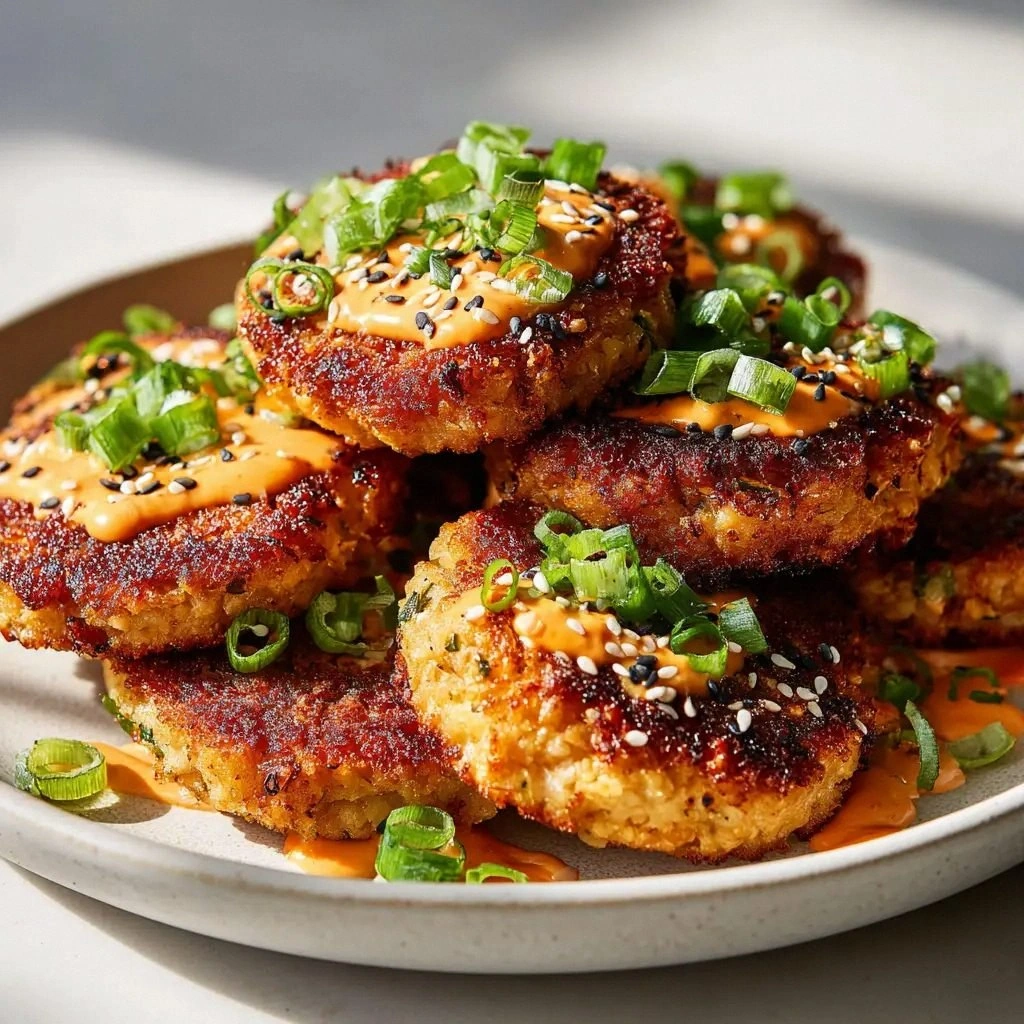
It was a Tuesday that felt like a culinary cliffhanger: I had just opened a can of tuna, a bottle of soy sauce, and a bag of panko, and the kitchen smelled like a sushi bar gone rogue. I stared at the ingredients, feeling the weight of every decision—should I toss them together for a quick snack or elevate them into a show‑stopping appetizer? The moment I cracked the egg, the kitchen lights flicked on like a stage cue, and I knew this was the start of something epic. I dared myself to create a dish that would make my friends double‑take, and I’m telling you, this is hands down the best version you’ll ever make at home.
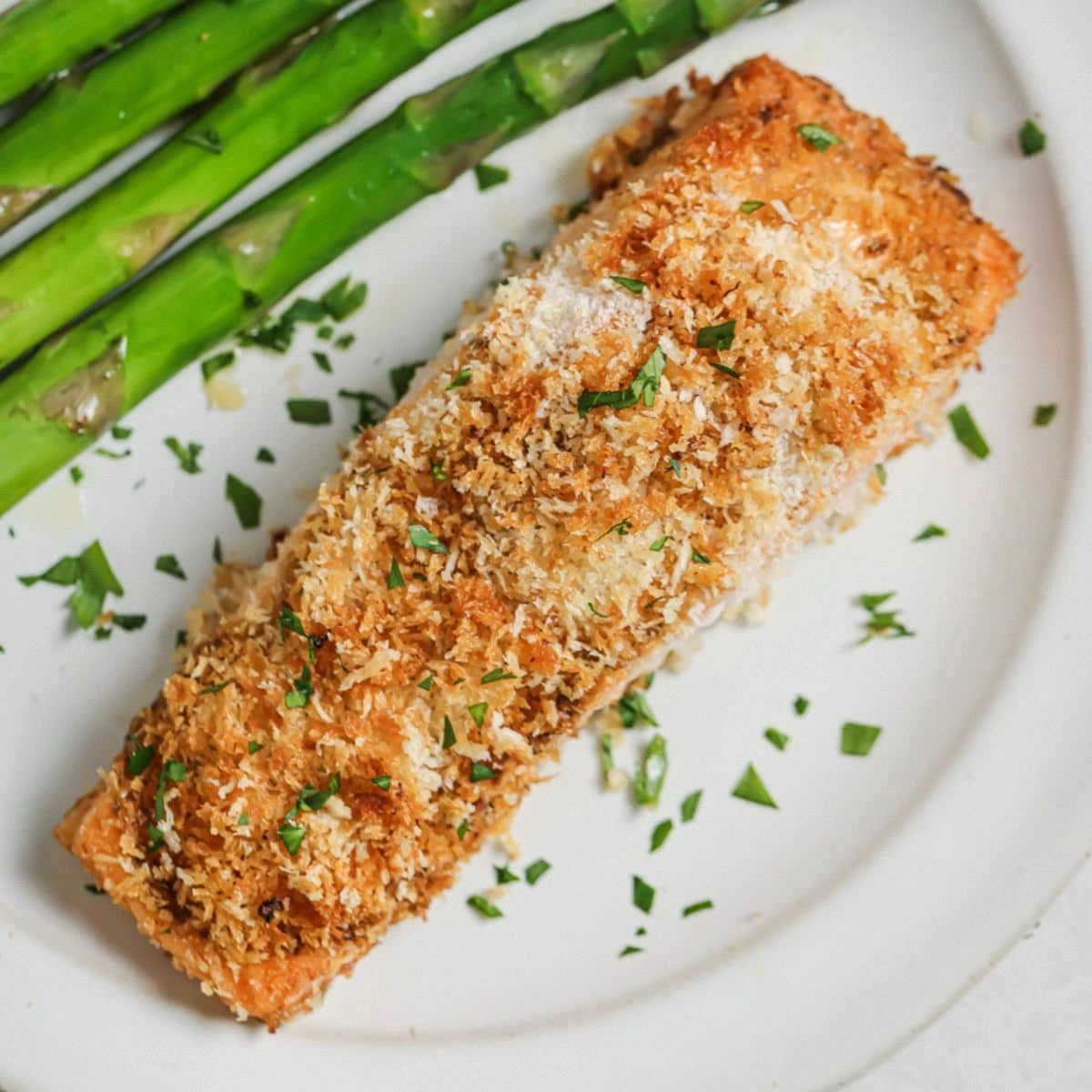
Picture the scene: a gleaming stainless‑steel pan, the sizzle of oil, the aroma of garlic and ginger rising like incense. The tuna, drained and flaked, glistens with the sheen of fresh water, while the panko adds a crunch that promises a delightful contrast. The green onions lend a bright, almost citrusy note, and the sriracha injects a subtle heat that lingers on the tongue. The moment the first bite lands, the flavors collide like fireworks—salty, sweet, umami, and a whisper of citrus—all wrapped in a crispy, golden shell. That sizzle when it hits the pan? Absolute perfection.
What makes this recipe stand out? It’s the harmony of textures—the airy interior, the crisp exterior, the creamy mayo‑sriracha sauce that coats the cakes like velvet. It’s the simplicity of the prep, yet the depth of flavor that feels like a trip to Tokyo without leaving your kitchen. It’s the crowd‑pleasing factor: friends will keep asking for seconds, and you’ll be the hero who served it. It’s the make‑ahead potential—you can prepare the batter in advance, refrigerate, and pan‑fry them on the fly. And most importantly, it’s the confidence that I bring to every step, turning a basic tuna can into a culinary masterpiece.
I’ll be honest—I ate half the batch before anyone else got a chance. That’s how good it is. The crunch is addictive, and the sauce is a secret weapon that keeps people coming back. If you’ve ever struggled with tuna cakes that taste like cardboard or come out soggy, you’re not alone. I’ve cracked the code, and I’m here to share it with you. Let me walk you through every single step—by the end, you’ll wonder how you ever made it any other way.
What Makes This Version Stand Out
Flavor: The combination of fresh ginger, lime juice, and sriracha creates a layered umami punch that elevates the tuna from ordinary to unforgettable. Every bite delivers a burst of bright, zesty heat balanced by a creamy, mellow base.
Texture: The panko breadcrumbs give a light, airy crunch that contrasts with the tender interior, while the mayo‑sriracha sauce provides a silky coating that melts in your mouth.
Ease: With only 10 ingredients and a single pan, this recipe is a breeze for busy weeknights. No prep of dough or complex sauces—just mix, form, and fry.
Versatility: Swap out the tuna for salmon or crab, adjust the heat level, or serve over rice for a quick dinner. The core technique remains the same.
Crowd Appeal: These cakes are the perfect party starter, with a presentation that looks as good as it tastes. The vibrant green onions on top add a pop of color that invites applause.
Make‑Ahead Friendly: Prepare the batter ahead of time, refrigerate, and fry when ready. This flexibility makes it ideal for gatherings or quick lunches.
Alright, let's break down exactly what goes into this masterpiece...
Inside the Ingredient List
The Flavor Base
Tuna: The star of the show—choose a high‑quality canned tuna in water for a clean, mild flavor. If you prefer a richer taste, switch to tuna in oil, but be mindful of the extra fat. Skipping tuna turns the dish into a different recipe entirely; you’ll lose the savory protein that anchors the cake.
Egg: The egg binds the mixture, preventing the tuna from falling apart during frying. It also adds a subtle richness. If you’re egg‑free, replace it with a tablespoon of aquafaba or a commercial egg replacer, but the texture may differ slightly.
Mayonnaise: Provides creaminess and moisture. It coats the cakes, giving them that silky finish. For a lighter version, use Greek yogurt, but the flavor will shift toward tangy.
The Texture Crew
Panko Breadcrumbs: The secret to a crispy exterior. Panko’s airy structure creates a light, flaky crust that shatters like thin ice when you bite into it. If you can’t find panko, regular breadcrumbs work, but the crunch will be denser.
Green Onions: Thinly sliced for a bright, fresh crunch. They add a mild onion flavor that balances the richness. If you don’t have green onions, scallions or chopped chives will work as substitutes.
Garlic: Fresh garlic gives a punchy aroma that permeates the batter. Two cloves are used for the cake and one more for the sauce, creating a layered garlic profile. Too much garlic can dominate; keep it balanced.
The Unexpected Star
Fresh Ginger: Grated ginger injects a sharp, peppery zing that cuts through the richness. It’s the unexpected star that elevates the dish from simple to gourmet. If you’re allergic to ginger, a pinch of ground ginger can suffice, though the aroma will be subtler.
Sriracha: Adds a kick that’s both sweet and spicy. The sauce’s bright red color also makes the dish visually appealing. If you’re heat‑averse, use half the amount or replace with a milder chili sauce.
The Final Flourish
Soy Sauce: Provides depth and umami. A tablespoon balances the other flavors without overpowering them. For a gluten‑free version, use tamari.
Sesame Oil: A teaspoon adds a nutty aroma that complements the Asian theme. If you’re watching calories, reduce it to half a teaspoon.
Black Pepper: A half teaspoon of freshly ground pepper adds a subtle heat and complexity.
Lime Juice: Brightens the dish with a citrusy lift, cutting through the richness.
Vegetable or Canola Oil: Two tablespoons are needed for frying; use a neutral oil to avoid competing flavors.
Everything's prepped? Good. Let's get into the real action...
The Method — Step by Step
-
Drain the tuna thoroughly—use a fine mesh sieve and press with paper towels until excess liquid disappears. A dry tuna base ensures the cakes hold together and crisp up nicely. If you skip this step, the cakes will turn out soggy and the oil will splatter.
-
In a large bowl, combine the drained tuna, lightly beaten egg, and mayonnaise. Mix until the mixture is smooth, but avoid overmixing; you want the tuna to retain its texture. This is the moment of truth—feel the mixture come together like a silky paste.
-
Add the panko breadcrumbs, grated ginger, minced garlic, green onions, soy sauce, sesame oil, black pepper, and lime juice. Fold gently, ensuring the panko is evenly coated. The batter should be thick enough to hold shape but still moist.
-
Shape the mixture into 8 equal patties, about 2 inches in diameter. Press the edges slightly to ensure they don’t puff up during frying. This step is crucial for an even cook; if you make them too thick, the center will be undercooked.
-
Heat the vegetable or canola oil in a large skillet over medium‑high heat. Test the oil by dropping a pinch of panko; if it sizzles immediately and starts to brown, the oil is ready. If it takes too long, increase the heat slightly.
-
Place the patties in the hot oil, spacing them apart to avoid crowding. Fry for 3–4 minutes on each side, or until golden brown and crisp. Use a spatula to flip gently; the edges will start pulling away, signaling doneness.
-
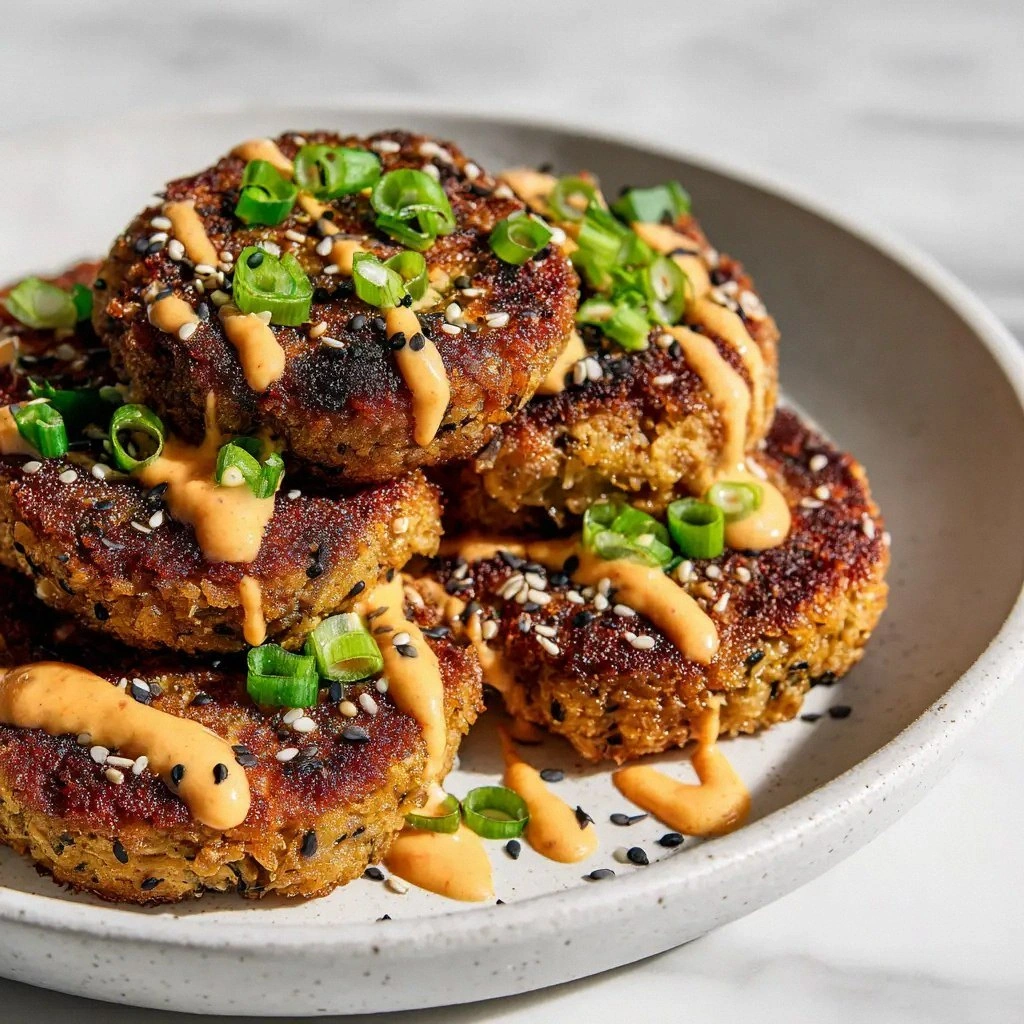
Transfer the cooked cakes to a paper‑towel‑lined plate to drain excess oil. While still hot, drizzle the sriracha‑mayonnaise sauce over each patty, allowing it to soak into the pores of the crust.
-
Serve immediately, garnished with extra green onions and a wedge of lime. If you’re prepping ahead, refrigerate the batter in a sealed container and fry as needed. The flavor only improves with time.
That's it — you did it. But hold on, I've got a few more tricks that'll take this to another level...
Insider Tricks for Flawless Results
The Temperature Rule Nobody Follows
Maintain oil at 350°F (175°C) for the perfect golden crust. Use a thermometer or the quick test with a single panko crumb. If you’re frying on a gas stove, let the oil heat for a minute before adding the cakes; this prevents sticking and uneven browning.
Why Your Nose Knows Best
Smell the batter before frying; it should have a subtle citrusy, ginger aroma. If it feels flat, add an extra pinch of lime or a dash of soy sauce. Your nose is a reliable guide to flavor balance.
The 5-Minute Rest That Changes Everything
After mixing, let the batter rest in the refrigerator for 5 minutes. This allows the panko to absorb moisture, creating a firmer structure that holds during frying. A friend tried skipping this step once and the cakes collapsed—don’t make that mistake.
The Secret Sauce Swap
Swap mayo for Greek yogurt and sriracha for a homemade chili paste to reduce calories and add a tangy twist. The yogurt’s acidity brightens the dish, while the chili paste offers a deeper flavor profile.
The Crunch Enhancer
Before frying, lightly dust the cakes with a sprinkle of sesame seeds. They add a nutty crunch and a pop of color that elevates the visual appeal. If you’re watching carbs, skip the seeds—they’re optional.
Creative Twists and Variations
This recipe is a playground. Here are some of my favorite ways to switch things up:
Salmon Samurai
Replace tuna with canned salmon for a richer, buttery flavor. Add a splash of miso paste for umami depth. This variation is perfect for a pescatarian dinner.
Spicy Mango Fusion
Fold in diced ripe mango and a dash of cayenne pepper. The sweetness balances the heat, creating a tropical twist that’s great for summer gatherings.
Herb Garden
Swap green onions for fresh cilantro and parsley. Add a pinch of dried oregano for Mediterranean flair. This version pairs wonderfully with a cucumber yogurt dip.
Veggie‑Loaded
Add finely chopped bell peppers, carrots, and spinach to the batter. The veggies add color, crunch, and a nutritional boost. Great for a quick, balanced meal.
Low‑Fat Lightness
Use Greek yogurt in place of mayonnaise and reduce oil to 1 tablespoon. The result is a lighter, protein‑rich version that still delivers on flavor.
Crispy Rice Cakes
Serve the tuna cakes over a bed of jasmine rice and drizzle with a soy‑ginger glaze. The rice absorbs the sauce, creating a comforting, filling dish.
Storing and Bringing It Back to Life
Fridge Storage
Store the prepared batter in an airtight container in the refrigerator for up to 24 hours. When ready to cook, let it sit at room temperature for 10 minutes to avoid a sudden temperature shock that can cause uneven frying.
Freezer Friendly
Shape the batter into patties and place on a parchment‑lined tray. Freeze until solid, then transfer to a freezer bag. They’ll keep for up to 3 months. Reheat by frying directly from the freezer; add an extra minute per side.
Best Reheating Method
To reheat, use a skillet with a splash of oil over medium heat. The cakes will regain their crispness in 3–4 minutes. Add a tiny splash of water before reheating to steam back to perfection and keep the interior moist.