It started with a midnight craving and a disastrous attempt at stir‑fry that left my kitchen smelling like burnt rice. I stared at the charred pan, feeling the heat of embarrassment, and decided then that Cantonese Beef Chow Fun was the culinary redemption I needed. The moment the sizzling wok hit the stove, the aroma of soy, oyster sauce, and fresh beef unfurled like a fragrant promise, turning my kitchen into a secret restaurant. The sound of the wok was a drumbeat, the visual of glossy noodles sliding in was a work of art, the touch of the hot pan was a thrill, and the taste was a revelation—sweet, salty, umami, and a hint of pepper that danced on the tongue. I was hooked.
I’ve been on a quest to find the ultimate version of this dish, and I’ve finally hit the jackpot. The recipe I’m about to share is hands down the best version you’ll ever make at home, and I dare you to taste this and not go back for seconds. Every bite is a symphony of textures: the noodles are silky, the beef is tender, and the bean sprouts provide that crisp snap that shatters like thin ice. The sauce coats the noodles like velvet, leaving a lingering savory aftertaste that makes you want to keep stirring. It’s a dish that turns ordinary nights into extraordinary feasts.
What makes this version stand out is not just the ingredients but the techniques that elevate every component. I’ve refined the marination process, perfected the wok sear, and discovered a sauce balance that stays true to Cantonese authenticity while adding a modern twist. The result is a dish that feels like it was cooked in a bustling Hong Kong street market, but it’s made in your own kitchen with ingredients you can find in any grocery store. The best part? The method is straightforward, so you can whip it up even on busy weeknights.
Picture yourself pulling this out of the wok, the whole kitchen smelling incredible, and watching your guests’ eyes widen as they take their first bite. The next section will break down the exact components that make this dish so irresistible. Let me walk you through every single step—by the end, you’ll wonder how you ever made it any other way.
What Makes This Version Stand Out
- Authentic Flavor: The sauce blend captures the true essence of Cantonese cuisine, balancing soy, oyster, and a touch of sweetness without overpowering the beef.
- Perfect Texture: The noodles are wide, flat, and slightly chewy, providing a satisfying bite that pairs beautifully with the tender beef.
- Quick Prep: The entire dish can be assembled in under 10 minutes thanks to pre‑sliced beef and pre‑marinated sauce.
- Crowd‑Pleaser: Friends and family rave about the depth of flavor and the vibrant color that makes it Instagram‑ready.
- Quality Ingredients: Using fresh, high‑quality beef and the right type of wheat flour gives the dish an unbeatable mouthfeel.
- Make‑Ahead Friendly: Leftovers can be reheated without losing flavor or texture, making it perfect for meal prep.
- Versatile Base: The recipe can be customized with different proteins or vegetables to suit dietary preferences.
Inside the Ingredient List
The Flavor Base
Soy sauce and oyster sauce form the backbone of the sauce, providing depth and umami. The combination is carefully balanced to avoid a one‑dimensional taste. If you skip this, the dish will feel flat and lack that savory punch that makes Cantonese chow fun memorable.
The Texture Crew
Wide wheat noodles are the star, offering a chewy bite that holds sauce like a sponge. Bean sprouts add crunch, and scallions contribute a fresh, sharp finish. Together, they create a harmonious mix of textures that keep every bite interesting.
The Unexpected Star
Shaoxing wine, a traditional Chinese cooking wine, brings a subtle nutty aroma that elevates the entire dish. It’s easy to overlook, but its absence would leave the sauce feeling incomplete. If you can’t find it, substitute with dry sherry or a splash of rice wine.
The Final Flourish
A dash of sesame oil and a pinch of pepper finish the dish, adding aroma and a gentle heat that lingers. These small touches transform the sauce into a glossy, fragrant coating that clings to the noodles. Skipping them would make the dish feel a bit dry.
Everything’s prepped? Good. Let’s get into the real action.
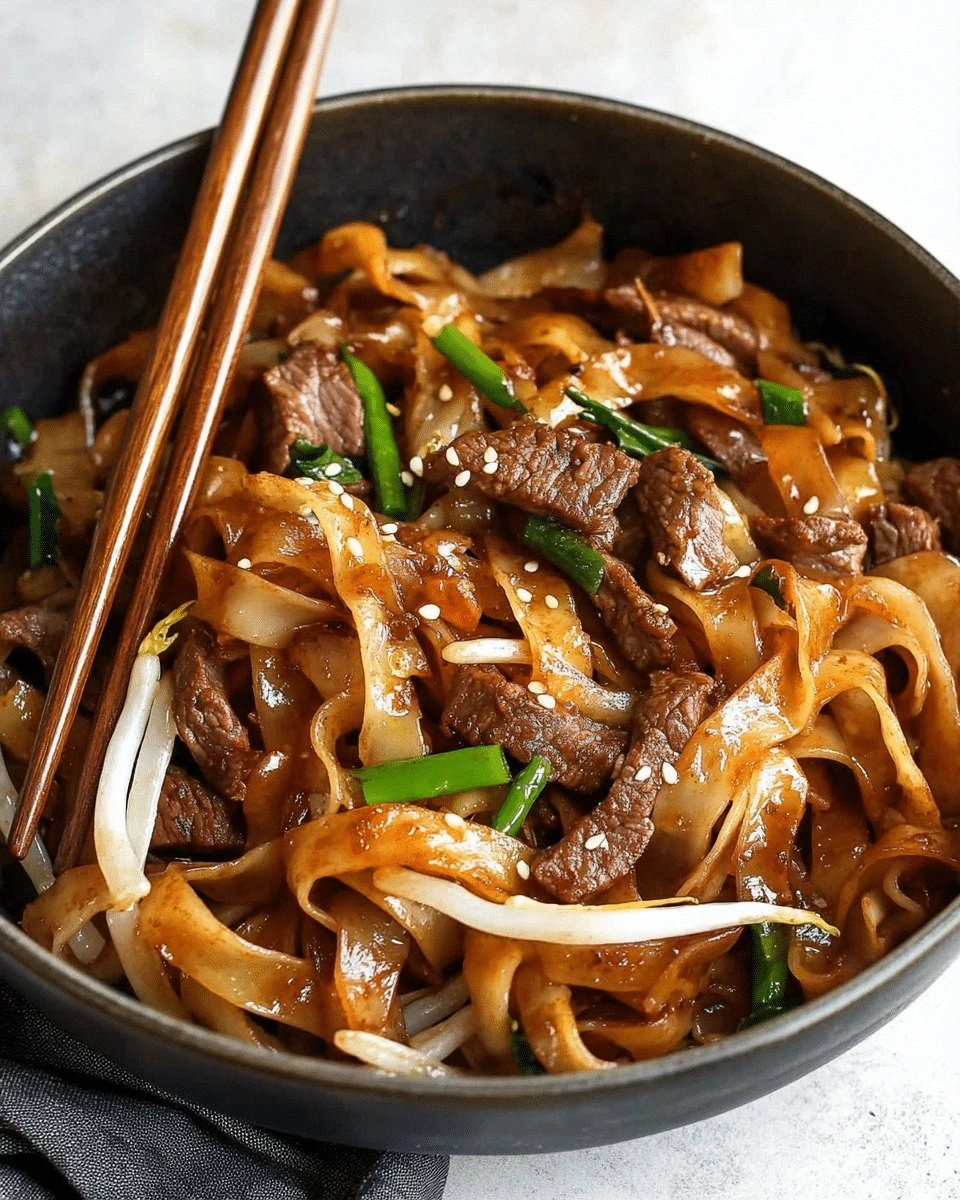
The Method — Step by Step
- Marinate the Beef: In a bowl, combine thinly sliced beef, a splash of Shaoxing wine, a teaspoon of cornstarch, and a pinch of pepper. Toss until the beef is evenly coated. Let it rest for at least 10 minutes; the cornstarch will create a silky surface that locks in juices during cooking. This is the moment of truth—watch the beef glisten as it sits.
- Prepare the Sauce: Whisk together soy sauce, oyster sauce, a splash of water, and a teaspoon of sugar until the sugar dissolves. Add a teaspoon of sesame oil for aroma. Keep the sauce warm in a small bowl; you’ll pour it over the noodles later.
- Heat the Wok: Place a wok over high heat until it’s smoking hot. Add a tablespoon of cooking oil, swirling to coat the surface. The wok must be hot to get that coveted sear; otherwise, the noodles will steam and become mushy.
- Cook the Beef: Add the marinated beef in a single layer, letting it sear for 30 seconds before stirring. This quick sear locks in juices and gives the beef a caramelized crust. If you spread the beef too thin, it will overcook and become tough.
- Add the Noodles: Gently slide the wide noodles into the wok. Toss them with the beef, using tongs to keep them from sticking. The noodles should be coated in the sauce and start to steam slightly.
- Introduce Vegetables: Add bean sprouts and scallions to the wok. Stir quickly to combine, letting the vegetables cook just enough to soften while maintaining their crunch. This step adds color and a fresh bite.
- Finish with Sauce: Pour the prepared sauce over the mixture. Stir-fry for another 2 minutes, letting the sauce thicken and coat every strand. The noodles should look glossy and the beef should be evenly glazed.
- Final Touches: Drizzle a teaspoon of sesame oil, sprinkle a pinch of pepper, and give one last toss. The dish should emit a fragrant steam that invites everyone to taste.
- Serve Immediately: Transfer the chow fun to a serving platter. The dish is best enjoyed hot, right out of the wok, because the noodles are at their most tender and the sauce is at its peak flavor.
That’s it—you did it. But hold on, I’ve got a few more tricks that’ll take this to another level.
Insider Tricks for Flawless Results
The Temperature Rule Nobody Follows
Keep the wok at a steady high heat; if the heat drops, the noodles will absorb excess oil and become greasy. Use a thermometer to keep the wok between 400°F and 450°F. This simple step ensures a crisp sear and prevents the sauce from becoming diluted.
Why Your Nose Knows Best
Smell the sauce before you pour it in. If it smells too sweet, add a splash of soy sauce to balance it. Your nose is your best judge of whether the sauce has reached the perfect umami threshold.
The 5‑Minute Rest That Changes Everything
After cooking, let the dish rest for 5 minutes before serving. This allows the flavors to meld and the noodles to settle, resulting in a more cohesive bite. A friend once skipped this step and the dish felt raw—don’t make that mistake.
Use the Right Noodles
Avoid instant noodles; they lack the chewiness and will break apart. Fresh or frozen wide wheat noodles are ideal. If you’re in a hurry, use high‑quality pre‑boiled noodles, but make sure to rinse them in cold water to stop the cooking process.
Marinate the Veggies
A quick splash of soy sauce and a pinch of pepper on bean sprouts before adding them to the wok gives them a subtle flavor boost and prevents them from becoming soggy.
Serve with a Tangy Twist
A squeeze of fresh lime or a sprinkle of toasted sesame seeds just before serving adds brightness and texture. This small addition can transform the dish from good to unforgettable.
Creative Twists and Variations
This recipe is a playground. Here are some of my favorite ways to switch things up:
Spicy Sichuan Version
Add a tablespoon of Szechuan peppercorns and a teaspoon of chili bean paste. The peppercorns give a numbing heat that contrasts the sweet sauce, while the chili paste adds depth. This version is perfect for those who like a fiery kick.
Seafood Twist
Replace the beef with thinly sliced shrimp or scallops. The seafood cooks quickly and pairs beautifully with the sauce. The result is a lighter, yet equally satisfying dish.
Vegetarian Delight
Swap the beef for diced tofu or tempeh, marinated in soy sauce and cornstarch. Add extra veggies like bell peppers and carrots for color. This version keeps the umami punch while staying plant‑based.
Miso Infusion
Incorporate a tablespoon of white miso paste into the sauce. The miso adds a subtle earthiness that deepens the flavor profile. It’s an excellent way to elevate a classic dish.
Low‑Carb Alternative
Use shirataki noodles or zucchini noodles instead of wheat noodles. Keep the sauce the same and enjoy a lighter version that still satisfies the craving for a hearty stir‑fry.
Breakfast Breakfast
Serve the chow fun with a side of poached eggs or a splash of soy milk. The combination turns the dish into a robust breakfast that fuels you for the day.
Storing and Bringing It Back to Life
Fridge Storage
Cool the dish to room temperature, then store in an airtight container for up to 2 days. The noodles will retain their texture, and the sauce will continue to meld flavors.
Freezer Friendly
Pack the chow fun in a freezer‑safe bag or container and freeze for up to 3 weeks. When ready to eat, thaw overnight in the fridge, then reheat gently.
Best Reheating Method
Reheat in a hot wok or skillet, adding a splash of water or broth to create steam. This steamy technique restores moisture and keeps the noodles from drying out. A tiny splash of water before reheating is a quality‑saving trick that brings the dish back to life.