It started with a kitchen mishap that could only be described as culinary chaos. I had been attempting a quick one‑pot curry, but the potatoes decided to double‑check their seasoning and ended up sticking to the pot like a stubborn layer of burnt toast. The resulting aroma was a confusing mix of burnt sugar and cumin, and I was left with a pot that felt like it had been through a war. That night, after a long day, I stared at the scorched edges and thought, “If this can happen, why not turn it into something spectacular?”
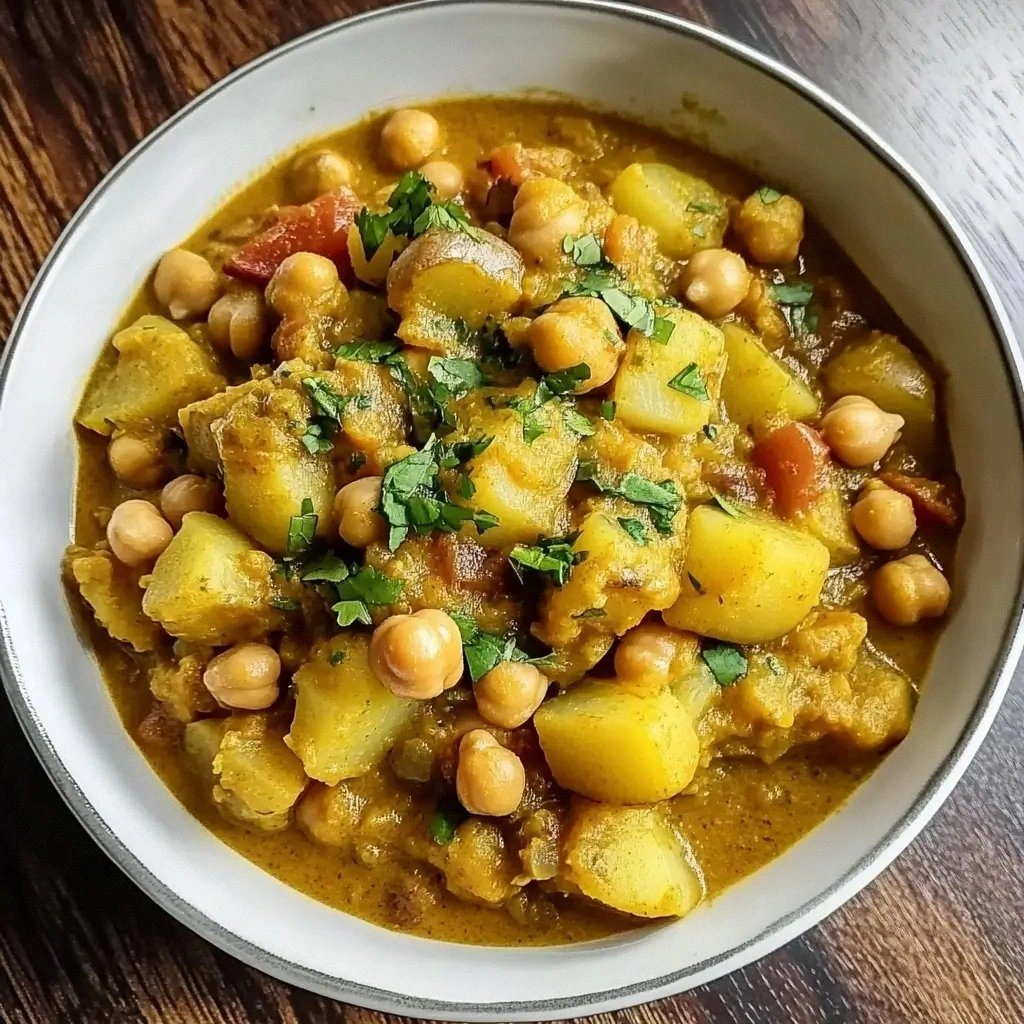
Fast forward to today, and I’ve turned that disaster into the most comforting, soul‑warming crockpot chickpea potato curry you’ll ever taste. Imagine a sauce that clings to every bite like velvet, the potatoes tender yet slightly firm, and chickpeas bursting with subtle earthiness. The moment you lift the lid, a fragrant cloud of garam masala, fresh cilantro, and a hint of citrus greets you, making your kitchen feel like a spice‑filled sanctuary. Each spoonful delivers a balance of heat, sweetness, and a creamy finish that lingers on your palate.
This version is not just a recipe; it’s a revelation. I’ve combined the slow‑cooking power of a crockpot with a splash of coconut milk for richness, a dash of lemon juice for brightness, and a pinch of smoked paprika for depth. The result is a dish that feels like a hug in a bowl, with layers of flavor that unfold slowly as the potatoes soften and the chickpeas soak up every nuance. It’s the kind of meal that makes you forget the time it took to cook and focus solely on the joy of eating.
And here’s the kicker: the secret ingredient that most people overlook is a splash of tomato paste at the very beginning. This small addition locks in the acidity, giving the curry a subtle umami punch that elevates every bite. I dare you to taste this and not go back for seconds. Let me walk you through every single step — by the end, you’ll wonder how you ever made it any other way.
What Makes This Version Stand Out
- Flavor Depth: The layered spices create a complex profile that evolves as the curry simmers, offering a savory, slightly sweet, and aromatic experience that’s hard to beat.
- Texture Balance: Potatoes retain a gentle bite while chickpeas become silky, providing contrast that keeps each spoonful exciting.
- Ease of Prep: All ingredients go straight into the crockpot, eliminating the need for constant stirring or monitoring.
- Time‑Efficient: A 30‑minute cook time means you can enjoy a gourmet meal after a long day without extra effort.
- Health‑Friendly: Low in saturated fat, high in plant protein, and packed with fiber, this curry is both satisfying and nourishing.
- Versatility: Serve it over rice, quinoa, or with warm naan, and it adapts seamlessly to any meal plan.
- Make‑Ahead Friendly: The flavors deepen overnight, making it ideal for batch cooking or meal prep.
- Budget‑Friendly: Chickpeas and potatoes are inexpensive staples, keeping the cost low without sacrificing flavor.
Inside the Ingredient List
The Flavor Base
At the heart of this curry is the aromatic foundation of diced onion, minced garlic, and grated fresh ginger. Each ingredient releases its essential oils when sautéed, creating a fragrant base that carries the spices forward. Skipping this step means missing out on the subtle sweetness and depth that only a properly cooked mirepoix can provide. For a vegetarian twist, use a mix of shallots and scallions to keep the flavor profile vibrant.
The Texture Crew
Potatoes and chickpeas are the primary textural components. Potatoes, cut into bite‑sized cubes, absorb the sauce while maintaining a slight firmness, adding a comforting chew. Chickpeas, whether canned or pre‑cooked, bring a creamy yet fibrous element that balances the dish. If you prefer a lighter bite, use sweet potatoes, which add natural sweetness and a richer color palette.
The Unexpected Star
Coconut milk is the star that ties everything together. It provides a silky, slightly sweet backdrop that tempers the heat from the spices. Coconut milk also enriches the texture, making the curry feel luxurious. If you’re lactose intolerant or simply prefer a lighter version, substitute half‑and‑half or oat milk; the dish will still hold its integrity, though the richness will differ.
The Final Flourish
Fresh cilantro, a squeeze of lemon juice, and a dusting of toasted cumin seeds finish the dish with bright, fresh notes. Cilantro offers a peppery freshness that cuts through the richness of coconut milk, while lemon juice adds a bright acidity that lifts the entire flavor profile. Toasted cumin seeds provide a nutty crunch, adding both aroma and texture. If you’re not a fan of cilantro, parsley or mint can be used as alternatives.
Everything's prepped? Good. Let's get into the real action.
The Method — Step by Step
- Step 1: Sauté the aromatics. In a skillet, heat 2 tablespoons of olive oil over medium heat. Add 1 cup diced onion, 3 cloves minced garlic, and 1 tablespoon grated ginger. Cook until the onion turns translucent and starts to caramelize, about 5 minutes. The aroma should be inviting, signaling the base is ready. Once done, transfer the mixture to the crockpot to build the flavor foundation.
- Step 2: Add the spices. Sprinkle in 2 teaspoons curry powder, 1 teaspoon ground cumin, 1 teaspoon ground coriander, ½ teaspoon turmeric, and a pinch of smoked paprika. Stir constantly for 30 seconds to release the essential oils. The mixture should emit a warm, toasted scent. This step locks in the spices, preventing them from becoming bitter later. Let the spices mingle with the aromatics for a full minute before adding the rest.
- Step 3: Incorporate the liquids. Pour in 1 can (14 oz) diced tomatoes, 1 cup coconut milk, and ½ cup vegetable broth. Stir to combine, ensuring the spices coat every surface. The sauce should be thick but pourable, not clumpy. The coconut milk adds creaminess, while the broth keeps the consistency from becoming too thick. This is the stage where the curry starts to develop its signature silky texture.
- Step 4: Add the potatoes. Toss in 2 cups diced russet potatoes, cut into uniform ½‑inch cubes for even cooking. Stir gently to coat the potatoes with the sauce. The potatoes should sink slightly, absorbing the flavors. If you prefer a chunkier texture, leave them a bit larger. This is the point where the dish starts to thicken as the potatoes release starch.
- Step 5: Fold in chickpeas. Add 2 cans (15 oz each) drained and rinsed chickpeas. Gently stir to distribute them evenly. The chickpeas will absorb the sauce and become tender. The dish will begin to thicken further as the chickpeas release their own moisture. If you’re using dried chickpeas, pre‑soak and boil them until just tender before adding.
- Step 6: Season and simmer. Add 1 teaspoon salt, ½ teaspoon black pepper, and a squeeze of fresh lemon juice. Stir and taste; adjust seasoning as needed. Cover the crockpot and set to low for 4 hours or high for 2 hours. The slow simmer allows flavors to meld and the potatoes to become tender. Keep an eye on the consistency; add a splash of water if it thickens too much. By the end of this step, the curry should be fragrant, rich, and perfectly cooked.
- Step 7: Finish with fresh herbs. Once the cooking time is up, stir in 1 cup chopped cilantro and 2 tablespoons toasted cumin seeds. The cilantro adds bright freshness, while cumin seeds provide a nutty crunch. This final touch brings the dish to life, making the flavors pop. Give it a final stir, taste, and adjust lemon juice or salt if desired. The aroma at this point should be irresistible.
- Step 8: Serve. Ladle the curry over steamed basmati rice or fluffy quinoa. Garnish with a dollop of plain yogurt or a drizzle of coconut cream if you like extra richness. Serve hot, and watch as the steam rises, carrying the aroma of cumin, coriander, and coconut. Pair with warm naan for a complete meal. Enjoy the comforting blend of spices and textures that will keep you coming back for more.
That's it — you did it. But hold on, I've got a few more tricks that'll take this to another level. Stay tuned for insider tips that will make your curry even more unforgettable.
Insider Tricks for Flawless Results
The Temperature Rule Nobody Follows
Most people cook their curry on high, but the magic happens on low. Low and slow cooking allows the spices to release their flavors gradually, preventing bitterness. I’ve found that a 4‑hour low setting yields a more mellow, rounded taste compared to a 2‑hour high setting. If you’re short on time, you can still achieve great results by simmering for 1 hour on high, but the depth of flavor will be slightly less complex. Keep the lid on to trap steam, which helps the potatoes soften without drying out.
Why Your Nose Knows Best
When the curry is ready, the aroma should be a warm, spicy perfume with hints of citrus and coconut. If you smell a faint metallic tang, it might be from over‑cooked garlic. Trust your nose to guide you; a strong, inviting scent means the dish is on track. If the aroma is weak, add a pinch of cumin or a splash of lemon juice to boost the fragrance. This simple sensory check ensures the curry hits the right flavor note.
The 5‑Minute Rest That Changes Everything
After you finish cooking, let the curry rest for five minutes before serving. During this brief pause, the flavors settle and the sauce slightly thickens, creating a more cohesive bite. I’ve seen people skip this step, and the result feels a bit watery. The rest period also allows the potatoes to finish absorbing the sauce, making them tender and flavorful. This tiny step is a game‑changer.
Freshness Boost
Adding a splash of fresh lemon juice right before serving brightens the entire dish. The acidity cuts through the richness of coconut milk, leaving a clean finish. If you prefer a milder taste, substitute lime juice for a slightly different citrus profile. A tablespoon is enough; too much can overpower the spices.
Batch‑Cooking Tip
Because the curry is so forgiving, you can double the recipe and freeze portions. When reheating, add a small splash of water or broth to restore moisture. The dish will reheat evenly in a microwave or on the stovetop, making it perfect for busy weeknights. This also allows you to enjoy the dish over several days without compromising flavor.
Creative Twists and Variations
This recipe is a playground. Here are some of my favorite ways to switch things up:
Spicy Szechuan Kick
Swap the curry powder for a blend of Szechuan peppercorns and chili flakes. Add a tablespoon of doubanjiang for umami depth. Serve over jasmine rice and garnish with sliced green onions. This version will excite fans of bold, fiery flavors.
Sweet Potato & Spinach Edition
Replace russet potatoes with diced sweet potatoes for natural sweetness. Fold in a handful of fresh spinach in the last 10 minutes of cooking. The sweet potatoes add a caramelized note, while spinach introduces earthiness. This variant is perfect for a lighter, nutrient‑rich meal.
Indian‑Inspired Tikka Twist
Marinate chickpeas in yogurt, garam masala, and lemon juice before adding to the pot. Use a generous amount of garam masala for a richer Indian flavor. Serve with naan and a side of raita for an authentic experience.
Vegan Protein Boost
Replace coconut milk with oat milk and add a scoop of plant‑based protein powder after cooking. The protein powder will thicken the sauce slightly and add a subtle flavor. This version keeps the dish dairy‑free while boosting protein content.
Herb Garden Finale
After cooking, stir in a mixture of fresh basil, mint, and parsley. The herbs add a bright, aromatic finish that pairs wonderfully with the curry’s warmth. This variation is ideal for a summer meal when fresh herbs are at their peak.
Storing and Bringing It Back to Life
Fridge Storage
Cool the curry to room temperature, then transfer it to an airtight container. Store in the refrigerator for up to 4 days. When reheating, add a splash of water or broth to restore moisture and stir until heated through. The flavors will remain robust, and the sauce will regain its silky texture.
Freezer Friendly
Divide the curry into freezer‑safe portions and seal them in vacuum‑sealed bags or zip‑lock containers. Freeze for up to 3 months. To thaw, let it sit in the refrigerator overnight. Reheat on the stovetop or microwave, adding a tablespoon of coconut milk or water to achieve the desired consistency.
Best Reheating Method
The most effective way to bring the curry back to life is on a low‑heat stove. Add a small amount of water or broth, stir gently, and let it simmer until hot. This method ensures even heating and preserves the sauce’s integrity. Avoid high heat, which can cause the coconut milk to separate.