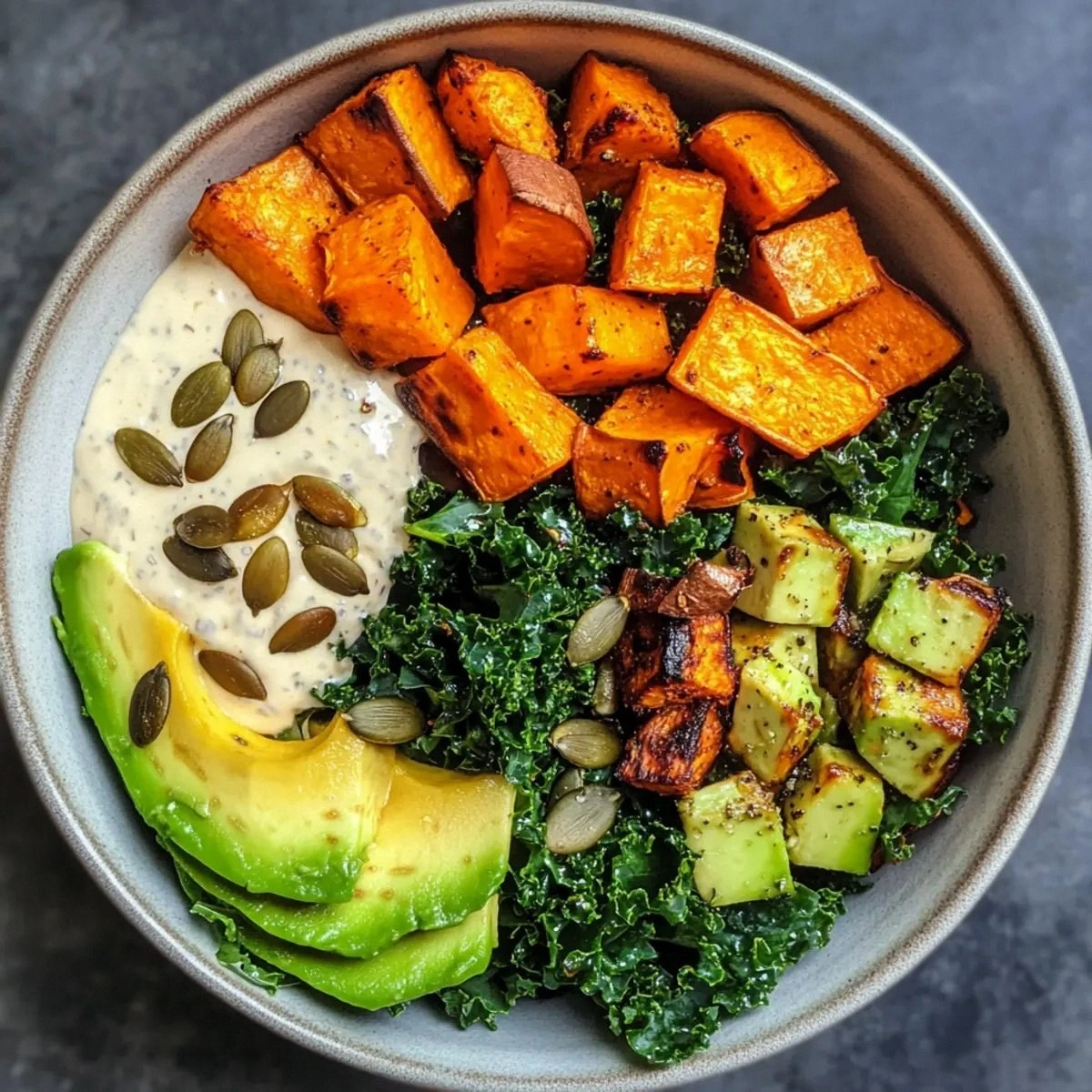
Picture this: I’m juggling a pot of quinoa, a skillet full of kale, and a rogue sweet potato that just slipped off the counter and smacked the floor. The crash was loud enough to startle the cat, and the sweet potato—still whole—rolled under the fridge like a tiny, orange comet. I stared at the mess, half‑laughing, half‑cursing, and then a sudden spark of daring hit me. “What if I turn this kitchen catastrophe into the ultimate power salad?” I dared myself to go all‑in, and the result was a dish that makes me swear I’ve discovered a secret level in flavor. This is not just another roasted sweet potato salad; it’s a bold, harissa‑kissed masterpiece that hits every craving you didn’t even know you had.
The moment the oven door shut, the entire apartment filled with a perfume that could convince even the most skeptical neighbor that I was a culinary wizard. The sweet potatoes started to caramelize, their edges turning a deep amber that reminded me of sunrise on a desert horizon. I could hear the faint crackle as the harissa’s spices woke up, and the air grew warm, like a cozy blanket on a chilly evening. My hands tingled with anticipation, the tactile promise of crisp skin meeting buttery flesh, while the kale waited patiently in the bowl, ready to be massaged into glossy submission. I could taste the future—smoky, nutty, with a zing that would make any palate do a double‑take.
Why does this version stand out from the sea of sweet‑potato‑salad posts that flood the internet? First, the harissa isn’t just a sprinkle; it’s a full‑body coating that seeps into every cube, turning each bite into a fireworks display of heat and depth. Second, the salad balances powerhouse ingredients—quinoa for protein, hemp seeds for omega‑3s, and avocado for that creamy, buttery finish—making it a complete meal that could replace a boring lunchbox or a lackluster dinner. Most recipes get the seasoning wrong, either drowning the sweet potato in sauce or leaving it bland; I’ve nailed the sweet‑spicy equilibrium that lets each component shine without stealing the spotlight. And the secret? A quick toast of pumpkin seeds that adds a crackling texture you’ll swear is magic.
I’m about to reveal a technique that will change the way you think about roasting vegetables forever: a two‑stage roast that first cooks the potatoes low and slow, then blasts them high to achieve that coveted caramelized edge. Trust me, it’s the difference between “meh” and “wow” and it’s simpler than you think. Let me walk you through every single step — by the end, you’ll wonder how you ever made it any other way.
What Makes This Version Stand Out
- Flavor Explosion: The mild harissa brings a gentle heat that mingles with the natural sweetness of the potatoes, creating a balanced, layered taste that dances on the tongue.
- Texture Symphony: Crispy, caramelized potato edges meet buttery avocado, crunchy pumpkin seeds, and tender kale for a mouthfeel that’s both satisfying and surprising.
- Simplicity Meets Sophistication: With just a handful of pantry staples and a few fresh herbs, you get a restaurant‑quality dish without the pretentious prep.
- Ingredient Quality: Using extra‑virgin olive oil and fresh parsley ensures every bite is bright, aromatic, and nutritionally dense.
- Crowd‑Pleaser Factor: Even the most skeptical meat‑eaters confess they’d trade a burger for a second helping of this salad.
- Make‑Ahead Magic: The components keep well, meaning you can prep on Sunday and have a power lunch ready for the whole week.
- Versatile Base: Swap quinoa for farro, kale for spinach, or harissa for smoked paprika to match any flavor craving.
- Health Boost: Packed with fiber, protein, healthy fats, and antioxidants, it fuels your body and mind for whatever the day throws at you.
Inside the Ingredient List
The Flavor Base
Sweet Potatoes (3 medium): These orange gems are the heart of the salad, providing natural sugars that caramelize beautifully. If you skip them, you lose the sweet‑spicy backbone and the dish becomes a bland veggie mix. Look for firm, unblemished tubers with a deep orange hue; they store best in a cool, dark pantry. As a swap, you could use butternut squash, though the flavor profile shifts toward earthier notes.
Mild Harissa (2 tablespoons): This North‑African chili paste delivers smoky heat without overwhelming the palate. It’s the secret sauce that coats each potato cube like velvet. If you can’t find harissa, blend smoked paprika, cumin, garlic powder, and a pinch of cayenne with olive oil for a DIY version.
Extra‑Virgin Olive Oil (2 tablespoons): The oil acts as a conductor for the harissa’s spices and helps the potatoes crisp up. Use a robust, peppery oil for extra depth; a light, fruit‑forward oil will make the dish feel airy.
The Texture Crew
Kale (4 cups): Kale brings a sturdy, slightly bitter crunch that balances the sweet potatoes. If you over‑massage it, it becomes soggy; if you under‑massage, it stays tough. Choose dark, curly kale for maximum texture, and strip the stems to avoid fibrous bites. As a twist, try using Swiss chard for a milder, silkier leaf.
Cooked Quinoa (1.5 cups): Quinoa adds protein and a fluffy bite that absorbs the tahini‑lemon dressing. Rinse it well before cooking to remove the bitter saponins. If you’re gluten‑free but don’t like quinoa’s texture, try amaranth or millet.
Avocado (1 medium): The avocado provides creaminess that mellows the harissa’s heat and binds the salad together. Slice it just before serving to keep its color vibrant. If you’re allergic, substitute with a generous scoop of hummus for a similar mouthfeel.
The Unexpected Star
Toasted Pumpkin Seeds (1/4 cup): These seeds add a buttery crunch that surprises the palate. Toast them in a dry pan until they pop and turn golden; they’ll release a nutty aroma that elevates the whole dish. If you’re out of pumpkin seeds, try toasted pepitas or even slivered almonds.
Fresh Parsley (1/4 cup): Parsley injects a fresh, herbaceous lift that brightens every bite. Roughly chop it to keep some texture. If you prefer a different herb, cilantro works well but will shift the flavor toward a more tropical vibe.
The Final Flourish
Tahini (1/3 cup): Tahini creates a silky, nutty dressing that clings to kale and quinoa. Its earthy undertones complement the harissa’s spice. For a lighter version, mix half tahini with Greek yogurt.
Fresh Lemon Juice (2 tablespoons): The lemon adds acidity that cuts through the richness, keeping the salad lively. Squeeze it over the dressing just before tossing to preserve its bright aroma.
Hemp Seeds (2 tablespoons): Hemp seeds sprinkle in a nutty flavor and a boost of omega‑3 fatty acids. They also add a subtle crunch. If you can’t find them, chia seeds work as a nutrient‑dense alternative, though they absorb more liquid.
Garlic Clove (1 clove): A single clove of garlic, minced, gives the dressing a pungent backbone that ties the flavors together. If you’re garlic‑averse, use a pinch of asafoetida for a similar depth.
Everything's prepped? Good. Let's get into the real action...
The Method — Step by Step
Preheat your oven to 375°F (190°C). While the oven warms, peel the sweet potatoes and cut them into uniform ½‑inch cubes; this ensures even cooking. Toss the cubes in a bowl with the extra‑virgin olive oil, mild harissa, and kosher salt, making sure each piece is fully coated. Spread them on a parchment‑lined baking sheet, leaving space between pieces so they roast rather than steam. Power tip: I like to shake the pan halfway through for an even caramelization.
Slide the tray into the oven and roast for 20 minutes. Then, crank the temperature up to 425°F (220°C) and continue roasting for another 15‑20 minutes, or until the edges are crisp and the centers are fork‑tender. You’ll know they’re done when the edges start pulling away and you hear a faint sizzle.
Watch Out: Keep an eye on the high‑heat stage; the sugars can burn quickly, turning the flavor bitter.While the potatoes finish, heat a large skillet over medium heat and add a splash of olive oil. Add the minced garlic and sauté for 30 seconds until fragrant, then quickly stir in the kale. Massage the kale with a pinch of salt for 2‑3 minutes until it wilts and turns a vibrant emerald. This step is crucial because a well‑massaged kale absorbs the dressing better, preventing sogginess later.
In a small bowl, whisk together the tahini, fresh lemon juice, the remaining tablespoon of olive oil, and a splash of warm water (about 2‑3 tablespoons) until the dressing is smooth and pourable. Add the minced garlic from step 3, then season with a pinch of kosher salt and a grind of black pepper. The consistency should be thick enough to cling to the kale but fluid enough to drizzle.
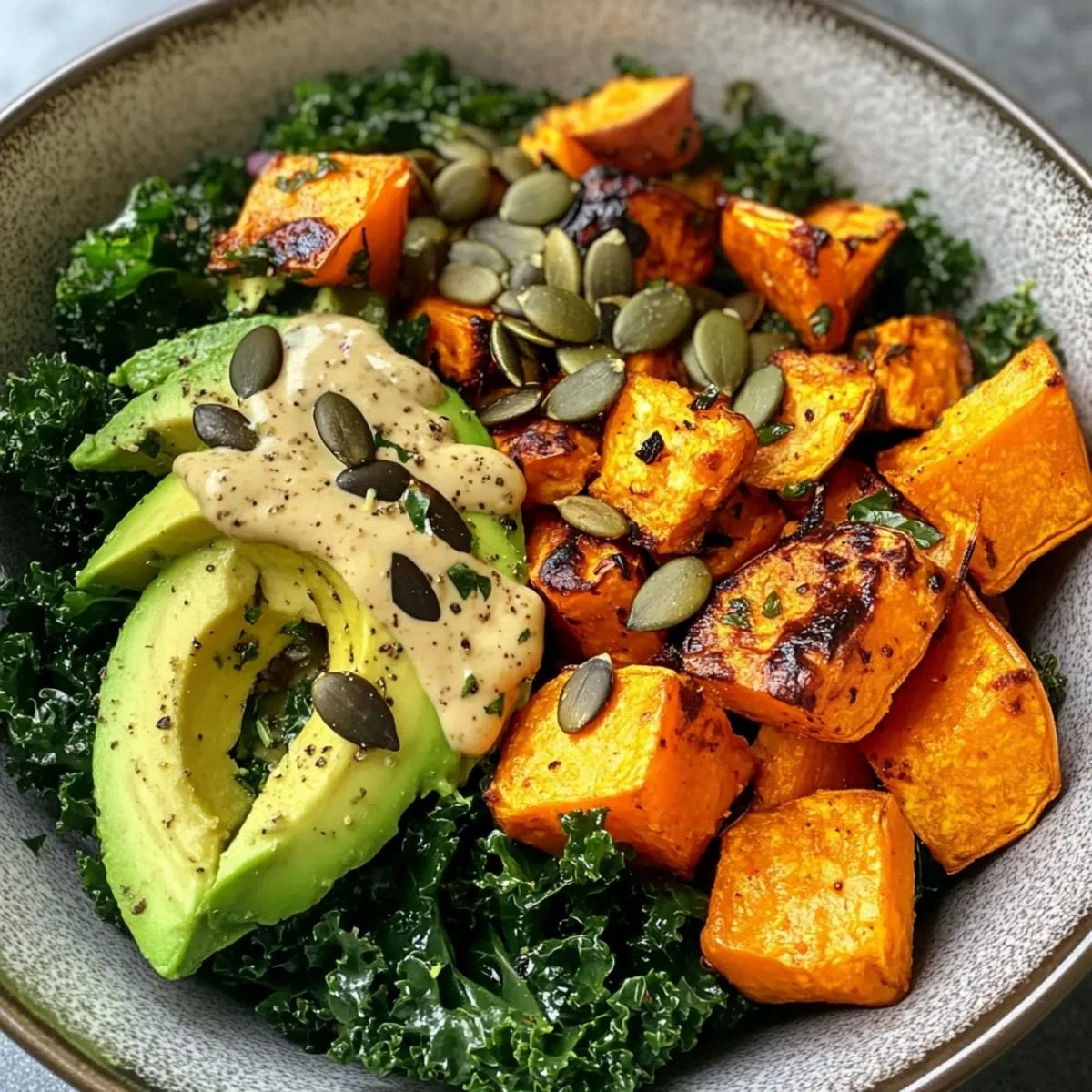
Now, assemble the salad base: in a massive mixing bowl, combine the roasted sweet potatoes, massaged kale, cooked quinoa, and sliced avocado. Drizzle the tahini‑lemon dressing over everything and toss gently, ensuring each component gets a glossy coat. The salad should look like a rainbow of textures—golden potatoes, deep green kale, fluffy quinoa, and creamy avocado.
Sprinkle the toasted pumpkin seeds, fresh parsley, and hemp seeds over the top. Give the salad one final gentle toss to distribute the seeds evenly. The pumpkin seeds will add that satisfying crunch that makes you want to bite harder.
Serve the salad warm or at room temperature. I dare you to taste this and not go back for seconds; the combination of smoky heat, sweet caramelization, and creamy avocado is practically addictive.
Store any leftovers in an airtight container. The flavors meld even more after a few hours, turning this into a flavor‑intensified next‑day lunch.
That's it — you did it. But hold on, I've got a few more tricks that'll take this to another level...
Insider Tricks for Flawless Results
The Temperature Rule Nobody Follows
Most home cooks roast vegetables at a single temperature, missing out on the caramelization magic that a two‑stage heat provides. Start low to cook the interior, then finish high to crisp the exterior. I once tried skipping the low‑heat phase and ended up with burnt edges and a raw center—trust me, the texture suffered.
Why Your Nose Knows Best
Before you pull the potatoes from the oven, sniff the air. When you detect a sweet, toasted aroma and the edges start to pull away, you’re at the perfect moment. Relying on a timer alone can lead to over‑cooking; your senses are the ultimate timer.
The 5‑Minute Rest That Changes Everything
After tossing the salad, let it sit for five minutes. This short rest allows the kale to absorb the dressing fully and the quinoa to soak up any leftover tahini sauce. Skipping this step leaves the salad feeling disjointed, like a playlist with songs that don’t flow.
Seed Toasting Secrets
Toasting pumpkin seeds on medium heat for just two minutes brings out a buttery flavor that raw seeds can’t match. Stir constantly; otherwise, they’ll scorch in seconds. If you forget to toast them, the salad loses that essential crunch factor.
Avocado Timing
Slice the avocado just before serving to avoid oxidation. A quick squeeze of lemon over the slices preserves their emerald hue and adds an extra zing that harmonizes with the harissa.
Creative Twists and Variations
This recipe is a playground. Here are some of my favorite ways to switch things up:
Spicy Chipotle Swap
Replace the mild harissa with chipotle in adobo for a smoky, deeper heat. The chipotle’s earthy undertones pair wonderfully with the sweet potatoes, turning the salad into a southwestern fiesta.
Winter Warmth
Swap kale for roasted Brussels sprouts and add a pinch of cinnamon to the harissa mixture. The warm spices make the salad feel cozy on a cold night, perfect for a post‑ski dinner.
Protein Power
Throw in a cup of cooked chickpeas or grilled chicken breast for an extra protein boost. This makes the salad heartier for athletes or anyone needing a post‑workout refuel.
Nutty Delight
Replace pumpkin seeds with toasted walnuts and add a drizzle of maple syrup to the dressing. The sweet‑nutty combo creates a dessert‑like vibe while staying nutritious.
Vegan Creaminess
Swap the avocado for a dollop of cashew cream blended with lemon juice. This keeps the dish fully vegan while adding a silky texture that rivals dairy.
Storing and Bringing It Back to Life
Fridge Storage
Transfer the salad to an airtight glass container and store it in the refrigerator for up to four days. Keep the avocado slices separate if you plan to store longer; add them fresh when serving to maintain their color and texture.
Freezer Friendly
While the salad isn’t ideal for long‑term freezing due to the avocado, you can freeze the roasted sweet potatoes and cooked quinoa separately for up to two months. Thaw, reheat, and combine with fresh greens and dressing.
Best Reheating Method
When you’re ready to eat leftovers, place the sweet potatoes and quinoa in a skillet over medium heat, adding a tiny splash of water or broth. The steam revives the caramelized edges without drying them out, and the greens stay bright.