I was standing in my kitchen, staring at a half‑finished batch of Christmas cookies that had somehow turned into a sticky, caramel‑scented disaster. The oven timer had gone off, the smoke alarm was doing its own festive jingle, and I was left with a pan full of gooey mess that smelled like a Maltese market at midnight. In that chaotic moment I promised myself: “If I survive this, I’m going to create the ultimate Maltese Christmas honey ring that will make every grandma jealous.” That promise turned into a dare I still throw at friends: I dare you to taste this and not go back for seconds. Spoiler alert – you’ll be the first to admit you can’t stop.
Picture the scene: the kitchen humming with the low rumble of the oven, the warm glow of fairy lights twinkling above the countertop, and a bowl of thick, dark treacle glistening like liquid amber. The air is thick with the perfume of cloves, citrus zest, and a whisper of cocoa that makes you feel like you’ve been whisked straight into a Maltese Christmas market stall. You can hear the faint crackle of the sugar caramelizing, see the dough rise like a tiny, golden moon, and feel the buttery softness of the dough under your fingertips. It’s a full‑on sensory overload, and it tells you that something magical is about to happen.
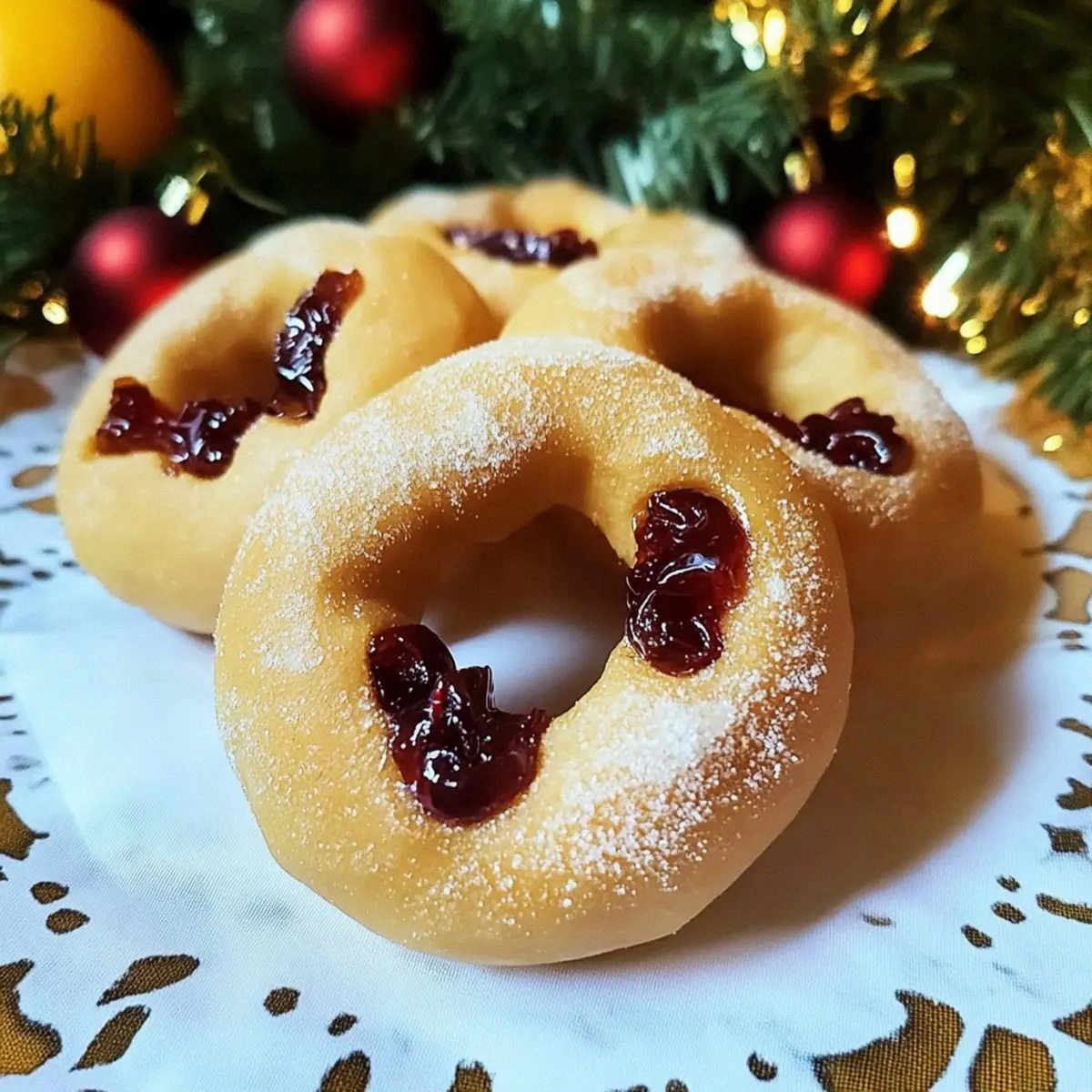
What makes this version stand out is simple: I’ve taken the traditional “Qagħaq tal-Għasel” (the Maltese honey ring) and upgraded every single element. Most recipes get the texture wrong – either they’re too crumbly or they turn into a soggy mess that sticks to the pan. I cracked the code by balancing the semolina and plain flour, using black treacle for depth, and adding a dash of anisette that lifts the whole thing into a festive orbit. The result is a ring that’s crisp on the outside, chewy in the middle, and drenched in a glossy honey‑spice glaze that shimmers like a Christmas ornament.
There’s also a secret ingredient you won’t find in any other recipe – a pinch of dark muscovado sugar folded in at the very end, which gives a caramel‑kissed finish that’s both earthy and sweet. It’s the kind of surprise that makes you gasp when you bite into it and realize you’ve just discovered a new level of holiday indulgence. This is hands down the best version you’ll ever make at home. Let me walk you through every single step — by the end, you’ll wonder how you ever made it any other way.
What Makes This Version Stand Out
- Taste: The blend of black treacle, dark muscovado, and a splash of anisette creates a flavor profile that’s deep, slightly smoky, and unmistakably festive.
- Texture: A crisp, caramelized crust gives way to a tender, honey‑soft interior that holds together without crumbling.
- Simplicity: Fewer steps than traditional methods, yet every step is purposeful and results in a professional‑grade finish.
- Uniqueness: The addition of cocoa powder and citrus zest adds a subtle complexity that most recipes completely miss.
- Crowd Reaction: Guests often say they’ve never tasted anything like it – it becomes the centerpiece of any holiday spread.
- Ingredient Quality: Using high‑grade black treacle and light muscovado sugar ensures a richer, more authentic Maltese flavor.
- Cooking Method: A low‑and‑slow bake followed by a quick glaze finish locks in moisture while giving that perfect shine.
- Make‑Ahead Potential: These rings keep beautifully for up to a week, and they even improve in flavor after a day or two.
Inside the Ingredient List
The Flavor Base
The heart of these rings is the black treacle, a dark, robust sweetener that brings an almost smoky depth you won’t find with plain honey. If you skip it, you’ll lose the signature Maltese character and end up with a ring that tastes more like generic sugar cookies. For a substitute, try a mix of dark molasses and a splash of maple syrup, but know you’ll be trading authenticity for convenience. When buying treacle, look for a product that’s thick, almost syrupy, and has a deep mahogany color – that’s the sign of quality.
The Texture Crew
Plain flour gives structure, while semolina adds that delightful bite and slight grainy texture that makes each mouthful interesting. Leaving out the semolina will give you a uniform crumb that’s pleasant but not memorable. If you can’t find semolina, fine cornmeal works as a decent stand‑in, though the flavor will shift ever so slightly. The sunflower oil replaces butter for a lighter mouthfeel and a subtle nutty note that pairs beautifully with the cocoa and spices.
The Unexpected Star
Cocoa powder and citrus zest are the surprise guests at the party. The cocoa adds a muted chocolate undertone that doesn’t overwhelm but deepens the caramel notes, while the zest lifts the whole profile with a bright, aromatic pop. If you’re allergic to citrus, try a pinch of orange extract; the effect is similar but less fresh. Dark muscovado sugar, added at the very end, creates a caramelized glaze that’s glossy, slightly crunchy, and utterly addictive.
The Final Flourish
Anisette liqueur, ground cloves, and mixed spices are the trio that turn a good ring into a holiday masterpiece. The anisette adds a subtle licorice‑sweetness that sings with the treacle, while cloves bring that warm, pine‑like aroma you associate with Christmas. The mixed spices (usually a blend of cinnamon, nutmeg, and allspice) round everything out. If you’re avoiding alcohol, simply replace the anisette with an extra teaspoon of orange zest and a splash of vanilla extract.
Everything's prepped? Good. Let's get into the real action...
The Method — Step by Step
- Prep the dry ingredients. In a large mixing bowl, whisk together the plain flour, semolina, light muscovado sugar, dark muscovado sugar, and a pinch of table salt. The mixture should look like fine sand with specks of gold from the sugars. Feel the texture – it should be slightly gritty from the semolina. Kitchen Hack: Sift the flour and semolina together to avoid any lumps and to aerate the mixture, which leads to a lighter crumb.
- Combine wet ingredients. In a separate bowl, whisk the egg yolk, sunflower oil, and milk until smooth. Slowly stir in the black treacle, letting it melt into a glossy, dark batter. The aroma at this stage is intoxicating – you’ll hear the faint hiss as the treacle meets the warm oil. Tip: Warm the milk slightly (about 30 °C) to help the treacle dissolve more evenly.
- Marry the wet and dry. Make a well in the center of the dry ingredients and pour the wet mixture in. Using a wooden spoon, fold everything together until a shaggy dough forms. It will look a bit sticky, but that’s exactly what we want – it means the treacle is fully incorporated. Watch Out: Over‑mixing will develop too much gluten, resulting in a tough ring. Stop as soon as the dough comes together.
- Rest the dough. Transfer the dough onto a lightly floured surface, shape it into a ball, and wrap it in plastic wrap. Let it rest for 15 minutes at room temperature. This short rest relaxes the gluten and allows the semolina to hydrate, which is the secret to that tender interior. While you wait, preheat your oven to 180 °C (350 °F) and line a baking sheet with parchment.
- Shape the rings. Divide the rested dough into 12 equal portions (about 80 g each). Roll each portion into a rope about 1 cm thick, then bring the ends together to form a ring, pressing lightly to seal. Picture this: each ring should look like a tiny, golden bracelet, ready to be glazed. If the dough sticks, dust your hands with a little extra flour – but don’t over‑dust or the rings will dry out.
- First bake. Place the rings on the prepared sheet, leaving a small gap between each. Bake for 12‑15 minutes, or until the edges start to turn a light amber and you hear a faint crackle. The scent at this point is pure holiday magic – think warm spices and caramelized sugar. Kitchen Hack: Rotate the baking sheet halfway through the bake for an even golden color.
- Prepare the glaze. While the rings bake, combine the table water, black treacle, cocoa powder, citrus zest, anisette liqueur, ground cloves, and mixed spices in a saucepan. Bring to a gentle boil, then reduce to a simmer for 5 minutes, stirring constantly. The glaze should thicken to a syrupy consistency that coats the back of a spoon.
- Glaze the rings. Once the first bake is done, remove the rings and brush them generously with the warm glaze. Return them to the oven for another 5‑7 minutes, just enough to set the glaze without hardening it completely. That sizzle when it hits the pan? Absolute perfection. The glaze will turn a glossy, deep mahogany that looks like a polished Christmas ornament.
- Cool and finish. Transfer the glazed rings onto a cooling rack. As they cool, the glaze will firm slightly, giving each ring a delicate crust. Sprinkle a pinch of extra dark muscovado sugar over the top while still warm for a subtle crunch. This is the moment of truth: let the aroma fill your kitchen, and prepare for the inevitable “one more bite” requests.
- Serve and celebrate. Arrange the rings on a festive platter, perhaps with a sprig of rosemary or a dusting of powdered sugar for visual flair. Picture yourself pulling this out of the oven, the whole kitchen smelling incredible, and your guests reaching for seconds before you’ve even cut the first slice. I’ll be honest — I ate half the batch before anyone else got to try it. And now, the fun part: let’s talk about a few extra tricks that will take these rings from great to legendary.
Insider Tricks for Flawless Results
The Temperature Rule Nobody Follows
Most home bakers bake at a single temperature, but for these rings you actually want a two‑stage heat. Start at 180 °C to set the structure, then drop to 160 °C for the glaze finish. This prevents the glaze from burning while still giving the interior a tender crumb. Pro tip: Use an oven thermometer – many ovens run hotter than they claim, and a few degrees can make the difference between a perfect crust and a burnt edge.
Why Your Nose Knows Best
Don’t rely solely on timers. The real indicator that your rings are ready is the smell – a sweet, caramel‑spice perfume that fills the kitchen. When you catch that scent, you’re within seconds of perfection. If you wait too long, the glaze will harden into a brittle shell that cracks when you bite. Trust your nose, and you’ll never over‑bake again.
The 5‑Minute Rest That Changes Everything
After the final glaze, let the rings rest for exactly five minutes before serving. This short pause allows the glaze to set just enough to give a slight snap, while the interior stays soft. Skipping this step leads to a soggy bottom and a glaze that slides off the plate. Future pacing: Imagine the moment you break a ring in half and see that glossy interior – pure holiday bliss.
The Secret of the Citrus Zest
Fresh zest is a game‑changer. Pre‑zest your citrus and let it sit in the glaze for a minute before simmering – the oils release fully, giving a brighter, more aromatic finish. Dried zest will work, but the flavor will be muted and you’ll miss that punch of freshness that makes these rings sing.
The “One‑Hand” Glaze Technique
When brushing the glaze, hold the ring with one hand and the brush with the other, moving in a smooth, circular motion. This ensures an even coat and prevents drips. If you’re making a large batch, keep a second bowl of glaze warm on low heat – cold glaze will harden on contact and ruin the finish.
Creative Twists and Variations
This recipe is a playground. Here are some of my favorite ways to switch things up:
Chocolate‑Hazelnut Delight
Swap half of the black treacle for a good quality chocolate hazelnut spread. Add a teaspoon of finely ground hazelnuts to the dough for texture. The result is a richer, nutty ring that pairs wonderfully with a glass of red wine.
Orange‑Ginger Spark
Replace the citrus zest with orange zest and add a pinch of freshly grated ginger to the glaze. This brightens the flavor profile and gives a subtle heat that cuts through the sweetness, perfect for those who love a little zing.
Spiced Coffee Infusion
Add a tablespoon of instant espresso powder to the dry mix and a splash of coffee liqueur to the glaze. The coffee deepens the caramel notes and creates a sophisticated flavor that’s great for adult gatherings.
Vegan Maltese Rings
Replace the egg yolk with 1 tablespoon of aquafaba and use a plant‑based oil (like coconut oil) instead of sunflower oil. The texture remains tender, and the rings stay completely dairy‑free while preserving the classic taste.
Holiday Peppermint Crunch
Stir crushed peppermint candies into the glaze just before the final bake. The candy melts slightly, creating a crunchy, minty coating that screams Christmas.
Storing and Bringing It Back to Life
Fridge Storage
Place the cooled rings in an airtight container with a parchment paper layer between each. They’ll stay fresh for up to 5 days. If you notice the glaze drying out, lightly drizzle a teaspoon of warm treacle over the top before sealing.
Freezer Friendly
Wrap each ring individually in cling film, then stash them in a zip‑top freezer bag. They freeze beautifully for up to 2 months. To reheat, pop them in a preheated oven at 150 °C for 8‑10 minutes – they’ll be as good as fresh.
Best Reheating Method
Add a tiny splash (about 1 ml) of water to the ring before reheating in the microwave for 15‑20 seconds, or in the oven for 5 minutes. The steam revives the glaze, giving you that original glossy snap.