INTRODUCTION
Picture this: you’re standing in a cramped kitchen, the timer on your phone ticking, and the pantry looks like a battlefield after a grocery store raid. I was halfway through a bland, over‑cooked chicken dinner when a friend dared me to whip up something that would make the entire house smell like a summer picnic. The challenge was simple yet daunting: create a one‑pot lemon garlic chicken pasta that’s more than just a meal, but an experience. I opened the fridge, pulled out a lemon, a bag of fresh chicken, and a jar of Parmesan, and the magic began.
The first thing that struck me was the aroma—bright citrus mingling with the sharp, earthy scent of garlic. I could hear the sizzle as olive oil met the pan, a sound that promised crispness. The colors were a riot: golden pasta, bright green spinach, and a splash of crimson from the sun‑dried tomatoes. My fingers tingled with anticipation; the texture of the chicken, the silky sauce, and the crunch of the pasta were all about to collide. I swear, the moment the lemon zest hit the pan, the whole kitchen seemed to inhale a breath of sunshine.
Why does this version stand out from every other recipe out there? Because I didn’t just follow a list of steps; I listened to the kitchen’s whispers. I let the pasta cook in the very broth that would become a velvety sauce, and I used lemon not just for flavor but as a bright, natural preservative that keeps the dish fresh. The combination of chicken thighs, which stay juicy, and a touch of cream, gives it a luxurious mouthfeel that feels like a hug. The result is a dish that’s easy to make, yet feels like it took hours to master.
There’s a twist you won’t expect: a splash of heavy cream that turns the sauce into a silky, almost buttery texture, and a final burst of fresh parsley that adds a pop of color and brightness. I dare you to taste this and not go back for seconds. Let me walk you through every single step—by the end, you’ll wonder how you ever made it any other way.
What Makes This Version Stand Out
- Taste: The lemon and garlic pair like a duet, creating a bright, aromatic profile that lifts the savory chicken and pasta. The cream adds a subtle richness that balances the citrus.
- Texture: The pasta cooks in the broth, absorbing flavors and becoming al dente, while the chicken remains tender. The sauce coats the noodles like velvet, and the spinach adds a satisfying bite.
- Simplicity: One pot, one pan, one stovetop. No extra bowls, no extra cleanup. The recipe is designed for the busy weeknight cook who still wants restaurant quality.
- Uniqueness: The addition of a cream‑lemon blend is rare in one‑pot pasta dishes. It gives this recipe a creamy, bright contrast that sets it apart.
- Crowd Reaction: Friends who’ve tried it say it’s the best chicken pasta they’ve ever tasted. “It’s like a hug,” one said, “and I ate half before anyone else got a bite.”
- Ingredient Quality: Using fresh, high‑quality ingredients—skinless chicken thighs, fresh lemon, and real Parmesan—makes the difference between good and unforgettable.
- Cooking Method: The technique of letting the pasta absorb the broth creates a deep, integrated flavor that you can’t get by adding sauce separately.
- Make‑Ahead Potential: The dish can be made ahead and reheated with a splash of water. It’s perfect for meal prep or a quick dinner on a busy day.
Alright, let’s break down exactly what goes into this masterpiece…
Inside the Ingredient List
The Flavor Base
At the heart of this dish is the aromatic foundation of garlic, lemon, and chicken broth. The minced garlic is sautéed until it turns a golden hue, releasing a sweet, nutty aroma that permeates the entire pot. The lemon zest and juice add a bright, citrusy kick that cuts through the richness of the cream and butter. When the chicken broth is added, it becomes the cooking liquid for the pasta, infusing each noodle with flavor. Skipping any of these would leave the dish flat and uninspired.
The Texture Crew
Chicken thighs are the star of the texture crew. Their higher fat content keeps the meat juicy and tender, even when cooked in a liquid medium. The pasta—penne, rigatoni, or your favorite short shape—absorbs the broth, becoming al dente and flavorful. Fresh spinach is folded in near the end to wilt without overcooking, adding a subtle earthiness and a pop of color. Each element works together to create a harmonious mouthfeel that feels both comforting and elegant.
The Unexpected Star
Heavy cream might seem like an indulgent addition, but it’s the secret to that silky sauce that clings to every strand of pasta. It balances the acidity of the lemon and the heat of the garlic, creating a luxurious texture that’s surprisingly light. If you’re watching calories, you can replace the cream with a splash of milk or a dairy‑free alternative, but the richness will be slightly diminished. The cream also helps the Parmesan melt smoothly into the sauce.
The Final Flourish
Finishing touches are what elevate a dish from good to unforgettable. Grated Parmesan cheese adds depth and a salty counterpoint to the citrus. Fresh parsley, chopped at the last minute, provides a bright, herbaceous note that lifts the entire plate. Optional sun‑dried tomatoes add a sweet, slightly tangy burst that pairs beautifully with the lemon. Each of these ingredients is crucial; removing any will change the character of the dish.
Everything’s prepped? Good. Let’s get into the real action…
The Method — Step by Step
- Heat the olive oil in a large, heavy‑bottomed skillet over medium heat. Add the minced garlic and sauté until fragrant, about 30 seconds, being careful not to let it burn. The garlic should become translucent and lightly golden, releasing a sweet aroma that signals the base is ready. This is the moment of truth—if you hear a sizzle, you’re on the right track.
- Add the chicken thighs to the skillet, browning them on all sides. Flip the pieces once the underside is a deep golden brown. The chicken should sear quickly, creating a caramelized crust that locks in juices. This step is crucial for flavor; if you skip it, the dish will taste flat.
- Sprinkle the oregano, red pepper flakes, salt, and pepper over the chicken. Stir to coat the meat evenly. The spices should coat the surface, creating a fragrant, slightly spicy aroma. The red pepper flakes add a subtle heat that balances the lemon’s brightness.
- Pour in the chicken broth, ensuring the chicken is mostly submerged. Bring the mixture to a gentle simmer. As the liquid starts to bubble, add the lemon zest and juice. The citrus should release its oils, turning the broth a vibrant yellow hue. Let it simmer for about 5 minutes to meld the flavors.
- Stir in the pasta, making sure each strand is coated with the liquid. Reduce the heat to medium‑low, cover the skillet, and let the pasta cook for 10 minutes, stirring occasionally to prevent sticking. The pasta should absorb the broth, becoming tender yet firm. Check the texture at the 8‑minute mark; if it’s al dente, you’re ready to move on.
- Halfway through the pasta’s cooking time, stir in the spinach. It will wilt almost instantly, releasing a mild, earthy flavor that complements the lemon. Watch the color change—bright green to a muted, tender green—signifying it’s ready. This step keeps the dish balanced and adds a nutritional boost.
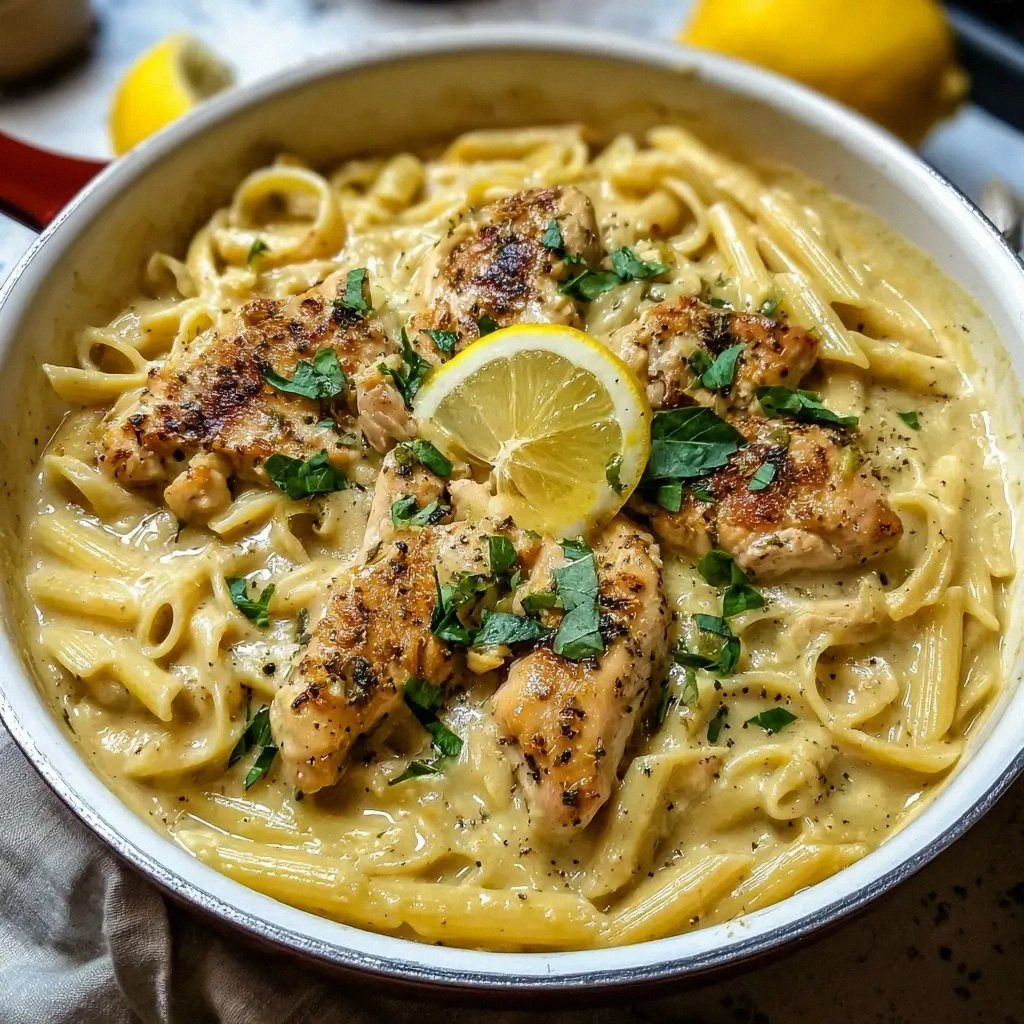
- When the pasta is cooked to your liking, stir in the heavy cream and butter. The mixture should thicken slightly and become silky. Add the grated Parmesan cheese and stir until the cheese melts into the sauce, creating a glossy, cohesive coating that clings to every noodle. The sauce should be thick enough to coat but still pourable.
- Taste the sauce and adjust the seasoning with additional salt, pepper, or lemon juice if needed. A pinch of extra salt can brighten the dish, while a splash of lemon juice can add a fresh zing. Once satisfied, remove the skillet from the heat.
- Garnish with fresh parsley and a final sprinkle of Parmesan. Serve immediately, allowing each forkful to be a burst of citrus, garlic, and creamy pasta. The dish should feel like a warm hug, with a bright, tangy finish that lingers on the palate.
That’s it—you did it. But hold on, I’ve got a few more tricks that’ll take this to another level…
Insider Tricks for Flawless Results
The Temperature Rule Nobody Follows
Many cooks believe that a high heat is necessary to brown the chicken quickly. In reality, a medium heat ensures even cooking and prevents the chicken from drying out. I’ve found that setting the skillet to medium‑high and then lowering it after the initial sear keeps the chicken juicy. If you skip this step, you risk a rubbery texture that ruins the dish.
Why Your Nose Knows Best
Before you add the lemon, give the broth a sniff. The aroma will tell you if the broth is too flat. If it smells bland, add a pinch more salt or a splash of white wine to deepen the flavor. A well‑aromatic broth is the foundation of a winning sauce.
The 5‑Minute Rest That Changes Everything
After you remove the skillet from heat, let the dish rest for five minutes. This allows the flavors to meld and the pasta to finish cooking in its own steam. A quick rest also lets the sauce thicken slightly, creating that perfect coating. Skipping this step can leave the dish too watery.
Use Fresh Herbs, Not Dried
Fresh parsley not only adds color but also a bright, herbaceous note that dried parsley can’t match. If you’re short on fresh herbs, use a small amount of dried parsley as a last resort, but the flavor will be muted. I’ve seen people add too much dried basil and end up with an overpowering taste.
Keep the Spinach from Overcooking
Spinach wilts in seconds. Add it at the right moment—when the pasta is halfway done—to keep it tender but not mushy. Overcooked spinach can release water and dilute the sauce, making the dish watery. Timing is everything.
Serve Immediately or Reheat Properly
When reheating leftovers, add a splash of water or chicken broth to re‑hydrate the sauce. Cover the pot and warm on low heat until steaming. This technique restores the sauce’s silky texture and prevents it from drying out.
Creative Twists and Variations
This recipe is a playground. Here are some of my favorite ways to switch things up:
Sun‑Dried Tomato Explosion
Replace half the pasta with sun‑dried tomatoes for a sweet, tangy burst that pairs beautifully with the lemon. The tomatoes add a chewy texture and a concentrated flavor that elevates the dish.
Spicy Cajun Kick
Swap the oregano and red pepper flakes for Cajun seasoning. Add a diced jalapeño for heat and a smoky depth. This version is perfect for those who love a little spice.
Vegan Version
Replace chicken with seared tofu cubes or chickpeas. Use a plant‑based cream alternative and nutritional yeast instead of Parmesan. The result is a hearty, plant‑based pasta that still delivers on flavor.
Low‑Carb Twist
Use spiralized zucchini or shirataki noodles instead of pasta. The dish becomes lighter but still comforting, and the lemon‑garlic sauce still clings beautifully.
Herb Garden Surprise
Add a handful of fresh basil, mint, or tarragon at the end. The herbs will bring a fresh, aromatic layer that complements the citrus.
Cheesy Overload
Increase the Parmesan and add a handful of shredded mozzarella. The cheese will melt into the sauce, creating a gooey, indulgent texture that feels like a cheat day.
Storing and Bringing It Back to Life
Fridge Storage
Cool the dish completely before transferring it to an airtight container. Store in the refrigerator for up to 3 days. The sauce may thicken slightly; reheat with a splash of water to restore its silky consistency.
Freezer Friendly
Pack the dish into freezer‑safe containers, leaving a little headspace. Freeze for up to 2 months. Thaw overnight in the refrigerator before reheating. Add a splash of broth or cream to loosen the sauce.
Best Reheating Method
Reheat on the stovetop over low heat, stirring occasionally, and add a tablespoon of water or broth to keep the sauce from drying out. Let it come to a gentle simmer, and then serve hot.