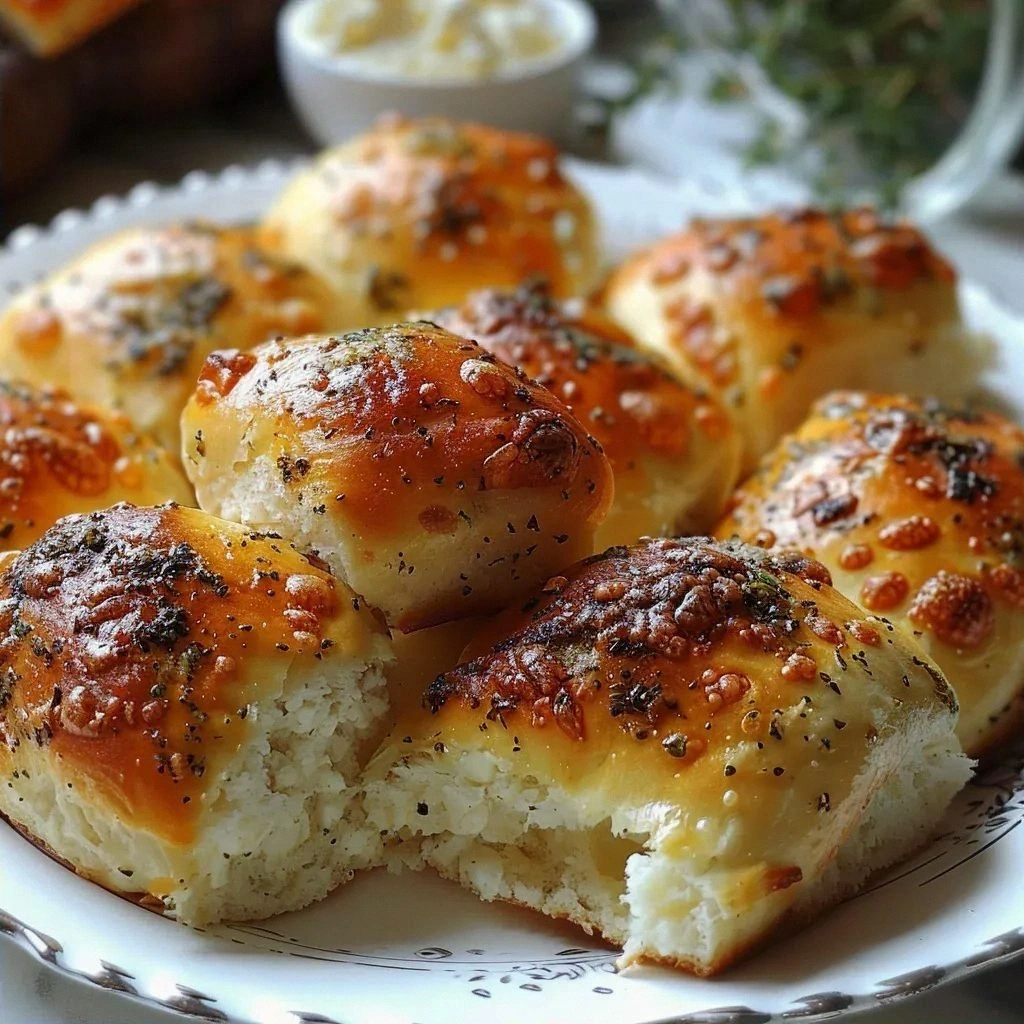
Picture this: it’s a rainy Saturday afternoon, the kitchen lights flicker, and you’re staring at a half‑baked batch of biscuits that have gone from golden to brown‑black in a matter of seconds. You’re left with a plate of disappointment and a growing urge to salvage the situation. That night, a friend dared you to create something that could turn a kitchen disaster into a crowd‑pleaser. I took that dare, mixed up a bowl of cottage cheese, almond flour, and a dash of oregano, and the result was a revelation: a soft, fluffy, garlic‑laden roll that practically melts in your mouth.
The moment you lift the first roll, the aroma of roasted garlic and toasted almond flour floods the air, like a warm hug from the inside. The texture is a paradoxical blend of airy softness and a subtle, satisfying bite that comes from the almond flour’s nutty undertone. The taste is a harmonious chorus: the tang of cottage cheese, the bright, herbal note of oregano, and the gentle heat of garlic. Every bite feels like a secret conversation between comfort and adventure. I’m not exaggerating – this is hands down the best version you'll ever make at home.
I’ve tried countless versions of garlic rolls, from the classic yeast dough to the indulgent butter‑laden variants, and none of them hit the sweet spot until this one. The trick is in the balance: the cottage cheese keeps the roll moist without making it heavy, the almond flour gives it that light, slightly crisp exterior, and the baking powder ensures it rises just enough to stay fluffy. Most recipes get this completely wrong by over‑baking or using too much flour, resulting in dense, dry rolls that taste like cardboard. Here, everything works in perfect harmony.
And there’s a twist you won’t see in the usual recipes: a subtle splash of olive oil that gives the crust a glossy, savory sheen and a hint of Mediterranean flavor. I dare you to taste this and not go back for seconds. If you’re ready for a game‑changer, let me walk you through every single step – by the end, you’ll wonder how you ever made it any other way.
What Makes This Version Stand Out
- Taste: The blend of tangy cottage cheese and savory garlic creates a flavor profile that’s both comforting and exciting. The oregano adds a fresh, herbal lift that keeps each bite from feeling heavy.
- Texture: The almond flour gives the rolls a delicate crumb while the baking powder ensures they rise without becoming airy. The result is a soft, fluffy interior with a slightly crisp edge.
- Simplicity: Only nine ingredients, all pantry staples, and a single bowl. No need for a stand mixer or a proofing box.
- Uniqueness: Using cottage cheese instead of milk or cream reduces the fat content while adding moisture, making these rolls lighter than traditional garlic bread.
- Quick Prep: From start to finish, you’re in the kitchen for less than an hour, and the rolls are ready to serve in under 45 minutes.
- Make‑Ahead: The dough can be refrigerated for up to 24 hours, and the rolls keep well for a day or two in the fridge.
- Versatile: Serve them as an appetizer, side dish, or even a breakfast treat with a drizzle of honey.
- Nutrition: Despite their indulgent appearance, these rolls are lower in calories and higher in protein than most garlic bread.
Alright, let’s break down exactly what goes into this masterpiece…
Inside the Ingredient List
The Flavor Base
Cottage cheese is the star of this recipe. It brings a creamy, slightly tangy flavor that keeps the rolls moist without the heaviness of butter or cream. The curds also help bind the dough together, giving the rolls structure while still allowing them to rise. Skipping it would make the dough dry and result in a flat, crumbly roll that lacks the signature fluff.
The Texture Crew
Almond flour is the backbone of the texture. It’s low in carbs, high in healthy fats, and gives the rolls a nutty undertone. The flour’s fine, slightly gritty texture creates a light crumb that’s easy to bite into. If you’re gluten‑sensitive, almond flour is naturally gluten‑free, but if you’re craving a more traditional feel, you can substitute a portion of it with oat flour to add a mild sweetness.
Baking powder is the secret agent that makes the dough rise. It reacts with the moisture in the cottage cheese to produce tiny bubbles that expand during baking, giving the rolls that coveted airy interior. Without it, the rolls would be dense and chewy. Keep the baking powder fresh; expired powder won’t create the lift you need.
The Unexpected Star
Olive oil may seem like a simple ingredient, but it’s pivotal for the crust’s golden color and glossy sheen. The oil also infuses a subtle Mediterranean flavor that balances the garlic’s heat. If you prefer a lighter version, use extra‑virgin olive oil sparingly; it’s potent, so a tablespoon is plenty.
Garlic, minced finely, is the flavor engine. It releases its aromatic compounds into the dough, ensuring every bite is infused with that classic garlicky punch. A common mistake is to use whole cloves; they don’t distribute evenly, leading to uneven flavor. Minced garlic ensures a uniform taste throughout.
The Final Flourish
Mozzarella cheese adds a gooey, melty layer that complements the soft interior. The shredded mozzarella melts into pockets of creamy delight, creating a contrast between the airy dough and the molten cheese. If you’re dairy‑sensitive, try a low‑fat cheese or a dairy‑free alternative; just be aware that the texture will change slightly.
Dried oregano gives the rolls a herbal brightness that cuts through the richness. It’s a classic Italian herb that pairs beautifully with garlic and cheese. If you don’t have oregano, basil or thyme can work as substitutes, though the flavor profile will shift slightly.
Salt is essential for bringing all the flavors together. It enhances the sweetness of the almond flour and balances the tang of the cottage cheese. Be careful not to over‑salt; the cheese already contains some sodium.
Everything’s prepped? Good. Let’s get into the real action…
The Method — Step by Step
- Step 1: Preheat your oven to 375°F (190°C). Line a baking sheet with parchment paper or a silicone mat to prevent sticking. This low, steady heat ensures a gentle rise and an even golden crust. Watch the timer closely; the first 10 minutes are critical for setting the structure.
- Step 2: In a large mixing bowl, combine the cottage cheese, almond flour, baking powder, oregano, and salt. Whisk until the mixture is smooth and free of lumps. The dough should feel slightly tacky but hold together when pressed between your fingers. If it’s too dry, add a splash of water or an extra egg.
- Step 3: Beat the eggs in a separate bowl, then fold them into the dry mixture. The eggs act as a binder, helping the dough hold its shape during baking. They also add a subtle richness that balances the tang of the cottage cheese. Mix until just combined; over‑mixing can develop gluten and make the rolls tough.
- Step 4: Stir in the minced garlic and shredded mozzarella. The garlic should be evenly distributed so every bite delivers that punch. The mozzarella will melt into pockets of gooey cheese as the rolls bake. If you’re feeling adventurous, sprinkle a pinch of crushed red pepper for a hint of heat.
- Step 5: Drizzle the tablespoon of olive oil over the dough and mix again. The oil coats the flour, preventing it from drying out and giving the crust a glossy finish. It also helps the rolls brown beautifully. Make sure the oil is evenly distributed; uneven coating will result in uneven browning.
- Step 6: Shape the dough into a log about 12 inches long and 2 inches thick. Place the log onto the prepared baking sheet. If you prefer smaller rolls, cut the log into 1‑inch pieces. The key is to keep the pieces uniform for even baking.
- Step 7: Bake for 20 minutes, then rotate the sheet and bake for an additional 10–12 minutes, or until the rolls are golden brown and the edges pull away slightly from the parchment. The scent of garlic roasting will fill the kitchen, creating a mouth‑watering aroma that’s hard to resist. Check the internal temperature; it should reach at least 190°F (88°C).
- Step 8: Remove the rolls from the oven and let them rest for 5 minutes on the sheet. This short rest allows the steam to settle, ensuring a tender crumb. The cheese will firm up slightly, making the rolls easier to slice. Don’t rush; cutting too early will result in a gooey mess.
- Step 9: Slice the rolls into bite‑size pieces with a serrated knife. Serve warm, preferably with a side of marinara sauce or a fresh salad. The warm, gooey cheese pairs perfectly with a crisp green leaf. If you’re serving a crowd, keep the rolls in a warm oven (200°F) to maintain their softness.
- Step 10: Enjoy the moment of triumph as you taste the first bite. The texture should be airy inside, with a slightly crisp exterior, and the flavor should linger on the palate. If you’re not satisfied, tweak the next batch by adding a bit more mozzarella or a touch of lemon zest for brightness. Remember, cooking is an art, and every batch is a learning experience.
That’s it — you did it. But hold on, I've got a few more tricks that'll take this to another level…
Insider Tricks for Flawless Results
The Temperature Rule Nobody Follows
Many bakers assume that a higher oven temperature always yields a crisper crust, but with these rolls, a moderate 375°F (190°C) is key. The gentle heat allows the interior to rise without scorching the edges. If you increase the temperature, you risk a burnt exterior while the center remains undercooked. Keep the thermometer handy to ensure consistency.
Why Your Nose Knows Best
Before you even touch the dough, give it a sniff. A faint, buttery aroma indicates that the olive oil is distributed evenly. A sour or overly garlicky scent might mean you’ve added too much garlic or the cheese has gone slightly off. Trust your nose; it’s a reliable quality control tool.
The 5‑Minute Rest That Changes Everything
After baking, let the rolls rest on the sheet for exactly five minutes. This pause allows the steam to redistribute, preventing a dry crust. The cheese will set just enough to hold the shape, making slicing clean and effortless. Skipping this step can result in a runny center that’s hard to handle.
Keep It Cool When Storing
If you’re not serving the rolls immediately, place them in an airtight container in the refrigerator. The rolls will stay fresh for up to two days. When reheating, use a low oven (300°F) for 10 minutes to revive the softness without drying them out. A quick microwave burst can also work if you’re in a hurry.
Don’t Forget the Finish
Right before serving, drizzle a light line of olive oil or a sprinkle of fresh herbs over the rolls. This final touch adds shine and a burst of flavor that elevates the dish from simple to spectacular. It also helps the cheese stay moist and prevents the rolls from drying out over time.
Creative Twists and Variations
This recipe is a playground. Here are some of my favorite ways to switch things up:
Herb‑Infused Delight
Swap the oregano for a blend of fresh rosemary, thyme, and parsley. The fresh herbs give a bright, aromatic profile that feels like a garden in a roll. Ideal for spring gatherings.
Cheese‑Lover’s Dream
Add a handful of grated parmesan or a sprinkle of feta into the dough. The salty cheeses deepen the flavor and create a more complex cheese profile. Great for pairing with a tomato basil soup.
Spicy Kick
Incorporate a teaspoon of cayenne pepper or a dash of sriracha into the dough. The heat balances the richness and adds a fiery contrast. Serve with a cool yogurt dip to tame the heat.
Vegan Version
Replace the cottage cheese with silken tofu blended until smooth, and use a plant‑based cheese alternative. The texture will be slightly denser but still fluffy. Use a neutral‑flavored oil like sunflower for the crust.
Low‑Carb Twist
Increase the almond flour ratio to 1.5 cups and reduce the cottage cheese to ¾ cup. The result is a drier, denser roll that still maintains the garlic flavor. Perfect for keto enthusiasts.
Breakfast Bites
Serve the rolls warm with a drizzle of honey or maple syrup, and top with a fried egg. The sweet and savory combination turns these into a hearty breakfast that will keep you satisfied until lunch.
Storing and Bringing It Back to Life
Fridge Storage
Place the cooled rolls in an airtight container or zip‑top bag. Store in the refrigerator for up to two days. The rolls will stay fresh, and the cheese will keep its creamy texture. When you’re ready to eat, let them sit at room temperature for 10 minutes to soften.
Freezer Friendly
Wrap the rolls tightly in plastic wrap and then in aluminum foil. Label with the date and freeze for up to two months. When you’re ready to enjoy, thaw overnight in the refrigerator. Reheat in a low oven (300°F) for 10–12 minutes to restore the original softness.
Best Reheating Method
The secret to reheating is to add a tiny splash of water to the bottom of the baking sheet before placing the rolls in the oven. The steam keeps the interior moist and prevents the cheese from drying out. Reheat at 300°F for 8–10 minutes, or until the rolls are hot and fragrant.