Picture this: I’m standing in a cramped kitchen, the air thick with the scent of soy sauce and honey, and a friend just challenges me to make the ultimate teriyaki chicken wrap. I’ve tried the usual recipes that end up either too sweet or too dry, and every attempt feels like a culinary cliffhanger. That night, my skillet was a battlefield, the chicken searing with a hiss that sounded like applause, and the sauce thickening into a glossy glaze that made the whole room smell like a Japanese street market. I swear the sound of that sizzle was louder than my neighbor’s lawnmower, and the moment the first bite hit my tongue, it was like a fireworks show in my mouth—sweet, savory, and utterly addictive. I dared myself to taste it and not go back for seconds, and the verdict was clear: this is hands down the best version you’ll ever make at home. The next few paragraphs will walk you through every single step, from the first stir to the final roll, so by the end you’ll wonder how you ever made it any other way.
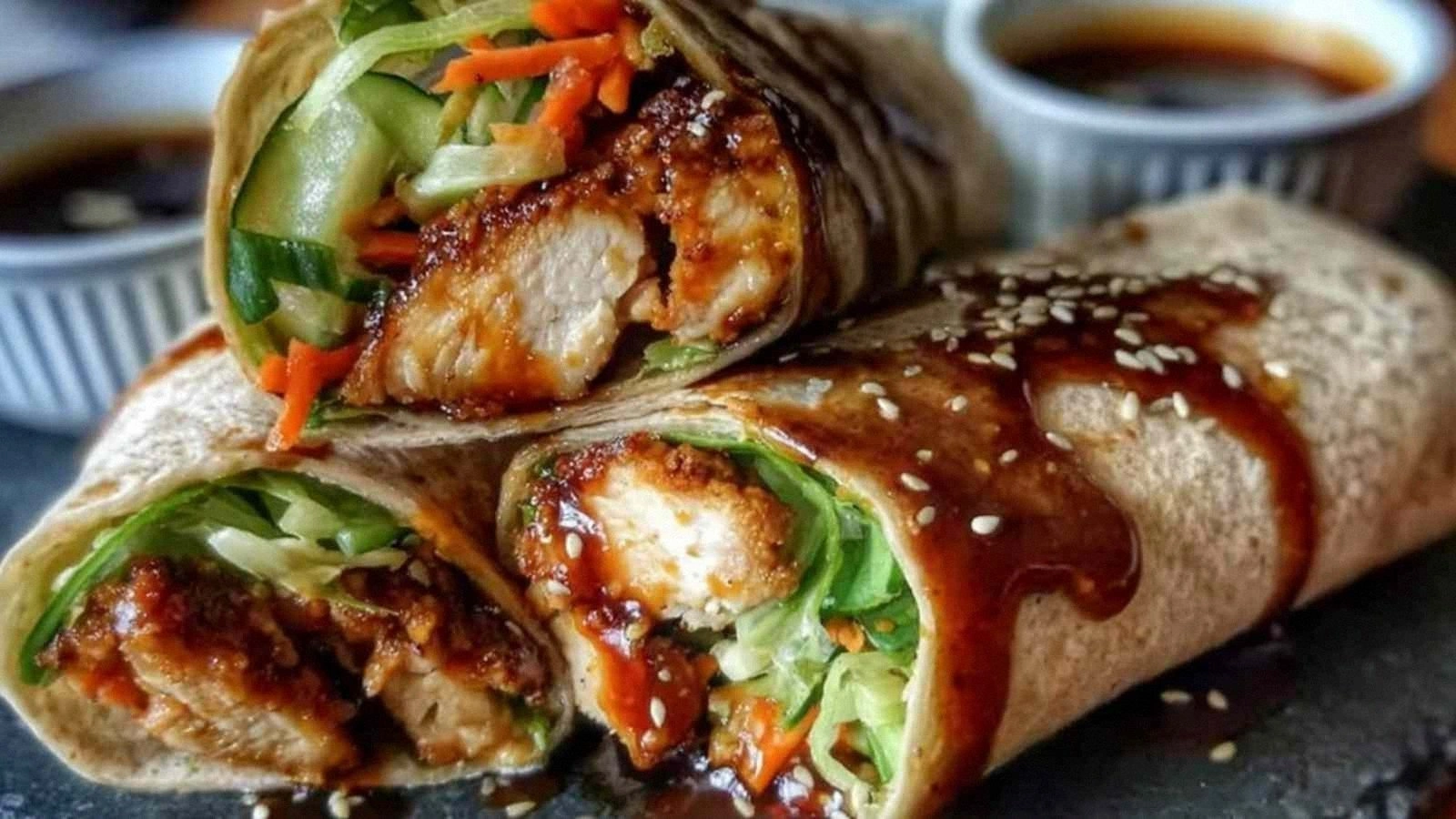
The first thing you notice is the vibrant color of the sauce—a deep amber that catches the light like liquid gold. When you dip a spoon, the sauce clings to the back of the spoon, thick enough to coat a spoonful of chicken, yet still glossy enough to glisten on the tortilla. The aroma that rises from the pan is a sweet, caramelized note that mingles with a faint sharpness from the ginger and garlic. The texture of the chicken is a perfect balance: tender inside with a slight char on the edges that gives a satisfying bite. The vegetables add a crunch that cuts through the richness of the sauce, and the fresh cilantro brings a bright, herbaceous finish that lifts the entire dish. It’s a sensory symphony that turns a simple wrap into a memorable meal.
What sets this version apart is not just the ingredients but the way they’re orchestrated. The sauce is a velvety glaze that coats every surface, creating a flavor halo that lingers on the tongue. The chicken is marinated briefly, preserving its juiciness while absorbing the sweet‑savory notes of the teriyaki. Whole wheat tortillas add a nutty undertone, providing a sturdy base that resists sogginess. The vegetables are prepped with a splash of lime to keep them crisp, and the sesame seeds add a subtle nutty crunch that echoes the sauce’s depth. The finishing touch of fresh cilantro not only brightens the dish but also adds a subtle peppery kick that balances the sweetness. Together, these elements craft a wrap that feels indulgent yet wholesome, and it’s a game‑changer for anyone craving a quick, flavorful dinner.
I dare you to taste this and not go back for seconds. Most recipes get this completely wrong by overcooking the chicken or underseasoning the sauce. The secret lies in the timing: sear the chicken until a golden crust forms, then deglaze the pan with a splash of water to lift the caramelized bits before adding the sauce. The sauce should thicken just enough to cling to the chicken but still have a silky sheen. If you’re craving a little heat, a dash of crushed red pepper will add a subtle kick without overpowering the sweet‑savory balance. And if you’re a fan of extra crunch, a sprinkle of toasted sesame seeds right before rolling will give the wrap a satisfying bite that keeps you coming back for more. Picture yourself pulling this out of the pan, the whole kitchen smelling incredible, and the anticipation of that first bite building to a crescendo.
Alright, let’s break down exactly what goes into this masterpiece. The following sections will guide you through each step, highlighting the techniques that elevate this wrap from ordinary to extraordinary.
What Makes This Version Stand Out
- Taste: The sauce is a harmonious blend of sweet honey, savory soy, and subtle citrus from rice vinegar, creating a flavor profile that sings with every bite.
- Texture: The chicken remains juicy inside while achieving a caramelized crust on the outside, and the vegetables stay crisp, offering a satisfying contrast.
- Ingredient Quality: Using fresh ginger and garlic, as well as whole wheat tortillas, elevates the dish with depth and a wholesome feel.
- Make‑Ahead Potential: The sauce can be prepared days in advance, and the chicken can be marinated overnight, making this wrap a perfect quick‑prep dinner.
- Crowd Reaction: Friends always ask for the recipe after the first batch; the wrap is a hit at potlucks, family dinners, and casual gatherings.
- Uniqueness: The addition of toasted sesame oil and sesame seeds gives a nutty undertone that differentiates it from typical teriyaki wraps.
Inside the Ingredient List
The Flavor Base
The sauce starts with a marriage of soy sauce and honey, the yin and yang of salty and sweet. Soy sauce provides umami depth, while honey adds a natural sweetness that caramelizes beautifully when heated. Rice vinegar introduces a subtle tang that balances the richness, and toasted sesame oil gives an aromatic nutty note that permeates every bite. If you’re watching sodium, opt for low‑sodium soy sauce; the honey compensates for the reduced saltiness. A pinch of black pepper can add a subtle heat if you’re adventurous.
The Texture Crew
Chicken breasts are the star, but the way you handle them matters. Cutting into thin strips allows the sauce to penetrate quickly, ensuring juicy results. Cornstarch mixed with water creates a slurry that thickens the sauce into a glossy coating without adding heaviness. Olive oil is used for searing, giving the chicken a golden crust that locks in moisture. The choice of whole wheat tortillas adds a hearty base that holds the fillings without becoming soggy. If you prefer a lighter option, try spinach or low‑carb tortillas.
The Unexpected Star
Crisp vegetables like shredded carrots, sliced cucumber, and diced red bell pepper provide a refreshing crunch that contrasts the sweet glaze. Fresh cilantro adds a bright, peppery finish that cuts through the sweetness. Green onions bring a mild onion flavor and a pop of color. Sesame seeds, toasted until fragrant, contribute a subtle nutty crunch and visual appeal. If you’re a fan of extra crunch, a sprinkle of crushed peanuts or cashews works wonderfully.
The Final Flourish
The finishing touches—fresh cilantro, green onions, and sesame seeds—are added just before rolling to keep their flavors vibrant. A squeeze of lime juice over the vegetables just before assembly brightens the entire dish. A final drizzle of the glaze adds shine and ensures every bite is coated. The wrap should be rolled tightly but not so tight that the tortilla tears. Serve immediately for the best texture or let rest for a few minutes to allow the flavors to meld.
Everything's prepped? Good. Let's get into the real action.
The Method — Step by Step
- Marinate the Chicken: Toss the thinly sliced chicken strips in 1 tablespoon of cornstarch and a pinch of salt. Let it rest for 10 minutes; the cornstarch will help the chicken develop a golden crust when seared. This step is crucial for a silky texture that doesn’t stick to the pan.
- Prepare the Sauce: In a small bowl, whisk together 0.25 cup soy sauce, 0.25 cup honey, 2 tablespoons rice vinegar, and 1 tablespoon toasted sesame oil. Set aside; this will be your glaze that will coat the chicken and vegetables.
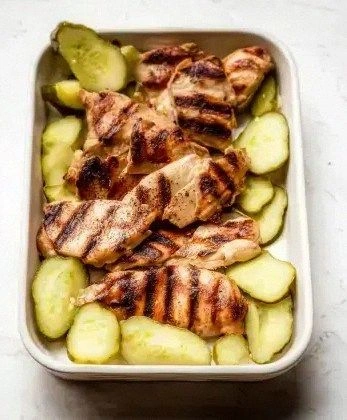
- Sear the Chicken: Heat 2 tablespoons of olive oil in a large skillet over medium‑high heat. Add the marinated chicken in a single layer, letting it sear without moving for 2 minutes. Flip and cook for another 2 minutes until browned and cooked through. The chicken should smell toasty and have a caramelized crust.
- Add the Sauce: Reduce heat to medium and pour the prepared sauce over the chicken. Stir to coat, then let it simmer for 3 minutes. The sauce should thicken into a glossy glaze that clings to each piece of chicken.
- Introduce the Vegetables: Add shredded carrots, sliced cucumber, diced red bell pepper, and green onions to the pan. Toss gently to combine, allowing the vegetables to warm through while keeping their crunch. The sauce should coat them lightly, adding a sweet finish.
- Warm the Tortillas: While the filling cooks, heat each tortilla in a dry skillet for about 15 seconds on each side or wrap in a damp paper towel and microwave for 20 seconds. Warm tortillas are pliable and less likely to tear during rolling.
- Assemble the Wrap: Lay a warm tortilla on a flat surface. Spoon a generous portion of the chicken and vegetable mixture onto the center. Sprinkle 2 tablespoons of toasted sesame seeds and a handful of fresh cilantro. Fold the sides in and roll tightly, ensuring the filling is secure. Slice the wrap in half for easy handling.
- Finish: For an extra burst of flavor, drizzle a little more glaze over the rolled wrap. Let it rest for 2 minutes so the juices redistribute. Serve immediately with a side of pickled daikon or a light cucumber salad.
That's it — you did it. But hold on, I've got a few more tricks that'll take this to another level. The next section will share insider tips that turn a good wrap into a culinary masterpiece.
Insider Tricks for Flawless Results
The Temperature Rule Nobody Follows
Cooking the chicken at medium‑high heat ensures a caramelized crust while keeping the interior juicy. If you lower the heat too much, the chicken will steam rather than sear, leading to a soggy texture. I’ve found that a quick 2‑minute sear on each side locks in moisture perfectly. Don’t rush the process; the sear is what gives the wrap its signature flavor profile.
Why Your Nose Knows Best
The aroma of the sauce as it thickens is a cue that it’s ready. When it emits a sweet, caramelized scent, it means the sugars are caramelizing just right. If you wait too long, the sauce can become overly thick and clumpy; if you rush, it won’t coat the chicken well. Trust your nose to guide you to that perfect moment.
The 5‑Minute Rest That Changes Everything
Letting the cooked filling rest for five minutes before rolling allows the flavors to meld and the sauce to set. This rest period also ensures that the vegetables retain their crunch while the sauce thickens into a glaze that clings to the tortilla. A quick rest can mean the difference between a soggy wrap and a crisp, flavorful bite.
The Crunch Factor
Adding toasted sesame seeds just before rolling brings a subtle nutty crunch that elevates the texture. If you’re a fan of extra crunch, sprinkle a handful of crushed peanuts or cashews. This simple addition gives the wrap a satisfying bite that keeps you hooked.
The Fresh Cilantro Finale
Fresh cilantro adds a bright, peppery finish that cuts through the sweetness of the sauce. If you’re not a fan of cilantro, try fresh mint or basil for a different aromatic twist. The herb’s freshness is what makes this wrap feel light and refreshing.
Creative Twists and Variations
This recipe is a playground. Here are some of my favorite ways to switch things up:
Spicy Sriracha Swirl
Add a tablespoon of sriracha to the sauce for a fiery kick that balances the sweetness. The heat pairs well with the sesame seeds, creating a bold flavor profile that’s perfect for adventurous eaters.
Thai Peanut Fusion
Replace the soy sauce with a mix of soy and fish sauce, and stir in a tablespoon of peanut butter. The result is a creamy, nutty wrap that feels like a Thai street‑food delight.
Mediterranean Twist
Swap the teriyaki glaze for a lemon‑herb vinaigrette and add diced olives and feta. The citrus and salty notes give the wrap a Mediterranean flair that’s refreshing and unexpected.
Vegan Version
Use tempeh or tofu instead of chicken, and ensure the soy sauce is vegan. The texture of tofu will soak up the glaze beautifully, while the vegetables remain crisp.
Breakfast Wrap
Add scrambled eggs and a sprinkle of cheddar cheese to the filling for a hearty breakfast version. The eggs add protein, while the cheese melts into a creamy layer that complements the sweet glaze.
Storing and Bringing It Back to Life
Fridge Storage
Store the cooked filling in an airtight container for up to 3 days. Keep the tortillas separate until ready to assemble to prevent sogginess. When you’re ready to eat, reheat the filling in a skillet until warmed through, then re‑warm the tortillas in a dry pan.
Freezer Friendly
You can freeze the cooked filling for up to 2 months. Freeze the tortillas in a separate bag to keep them pliable. Thaw the filling in the refrigerator overnight, then reheat gently on the stove. This makes it a great make‑ahead option.
Best Reheating Method
When reheating, add a splash of water or broth to the pan to create steam that keeps the filling moist. Reheat over medium heat, stirring occasionally, until hot. A quick 20‑second microwave burst can also work if you’re in a hurry.
Add a tiny splash of water before reheating — it steams back to perfection, ensuring the sauce remains silky and the vegetables stay crisp.