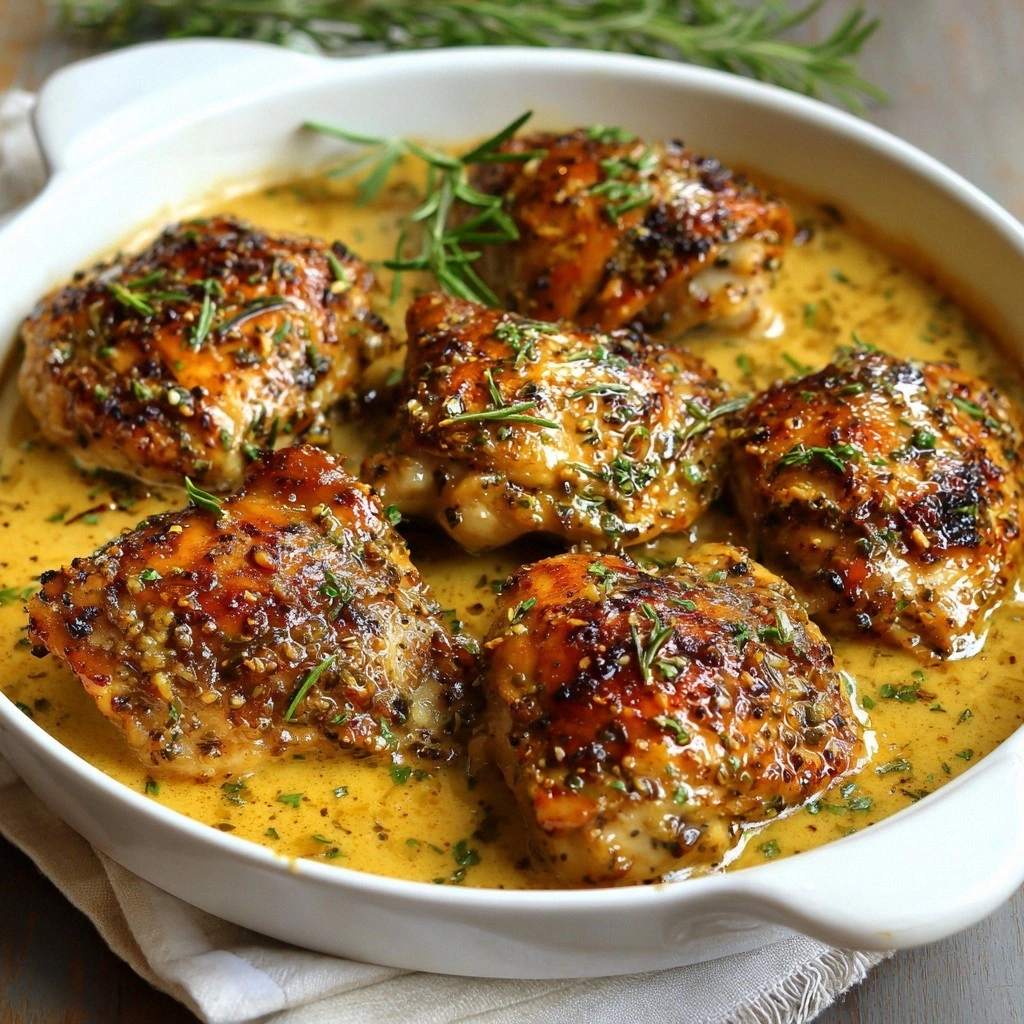
Picture this: a frantic weeknight, the clock ticking louder than a drum solo, and a sudden craving for something that feels like a restaurant’s secret weapon. I was juggling a toddler, a looming deadline, and a pantry that looked like a desert. In a moment of desperation, I tossed together whatever I could find, and the result was a chaotic mess that somehow turned into the most unforgettable dinner of my life. That accidental triumph sparked a relentless quest to perfect the ultimate Fish Piccata with Crispy Smash, and now I’m spilling every detail.
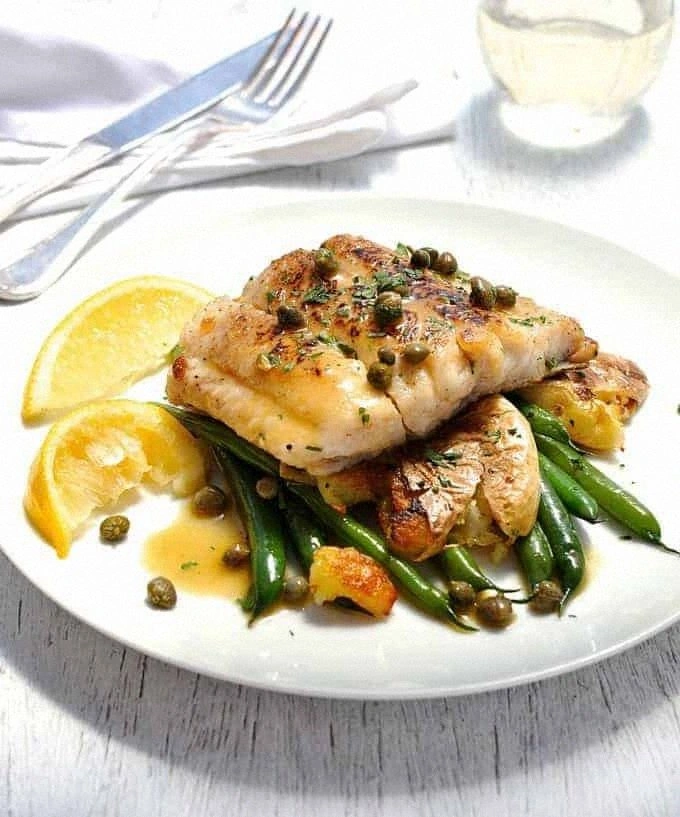
The moment the pan hissed as the fish hit the oil, the kitchen filled with a bright, citrusy perfume that could make a lemon farmer weep with pride. The potatoes, once humble baby gems, were smashed, tossed in oil, and baked until their edges cracked like thin ice—crisp, golden, and begging to be broken apart. The green beans stayed vivid green, snapping under the bite, while the sauce swirled with butter, capers, and a splash of white wine that sang a buttery aria. Every sense was on fire: the visual contrast of the golden fish against the verdant beans, the sizzle, the tangy zing, and the buttery melt on the tongue.
What makes this version a game‑changer? Most piccata recipes treat the fish as a delicate afterthought, and the side dishes are an after‑thought side‑note. I flipped the script by giving the potatoes their own starring role—smashing them before roasting creates a textural symphony that rivals any fancy restaurant plating. The sauce? It’s a glossy, lemon‑caper masterpiece that clings to the fish like velvet, while the butter adds a luxurious mouthfeel that makes you question everything you thought you knew about simple weeknight meals.
And here’s the kicker: I’m about to reveal a tiny technique that most cooks overlook—using a hot, heavy skillet to achieve that perfect crust on the fish before deglazing, plus a secret step for the potatoes that turns them from ordinary to unforgettable. I dare you to taste this and not go back for seconds. Let me walk you through every single step — by the end, you’ll wonder how you ever made it any other way.
What Makes This Version Stand Out
- Flavor Explosion: The combination of lemon, capers, and white wine creates a bright, tangy sauce that perfectly balances the buttery richness of the fish.
- Texture Contrast: Crispy smashed potatoes deliver a satisfying crunch that contrasts with the tender, flaky fish and snap‑bright green beans.
- Simplicity Meets Sophistication: Only a handful of pantry staples are needed, yet the final plate looks like something you’d order at a five‑star bistro.
- Ingredient Quality: Using firm white fish fillets ensures a sturdy bite that holds up to the pan‑sear without falling apart.
- Crowd‑Pleaser: This dish consistently earns rave reviews at dinner parties; guests ask for the recipe before the first bite is even finished.
- Make‑Ahead Friendly: The sauce can be prepared in advance, and the potatoes re‑crisp beautifully, making it perfect for busy weeknights.
- Versatile Base: The same technique works with salmon, cod, or even tofu for a vegetarian spin, proving its adaptability.
- Time‑Saving Hack: The smash‑and‑roast method for potatoes cuts cooking time in half compared to traditional boiling‑then‑roasting.
Inside the Ingredient List
The Flavor Base
Fresh Lemon Juice: The acid cuts through the richness of butter and fish, brightening every bite. If you skip it, the sauce will feel heavy and flat, missing that signature piccata zing. A good rule of thumb is to taste the sauce before adding the final squeeze—adjust to your preference. If lemons are out of season, a splash of good quality white wine vinegar can mimic the acidity.
Capers: These briny pearls add a salty pop that balances the lemon’s brightness. Skipping capers turns the sauce into a plain butter‑wine reduction, losing that signature bite. Rinse them quickly if they’re overly salty, and consider using green olives for a similar punch.
The Texture Crew
Baby Potatoes: Their thin skins become exquisitely crisp when smashed and roasted, while the interiors stay fluffy. Using larger potatoes would require longer cooking and result in uneven texture. For a twist, try fingerling potatoes—they hold their shape beautifully but won’t smash as dramatically.
Green Beans: They add a fresh snap that contrasts the buttery sauce. Overcooking them makes them soggy and dull. To retain their vibrant color, shock them in ice water after blanching—a pro tip that keeps the plate looking restaurant‑ready.
The Unexpected Star
Olive Oil: A good quality extra‑virgin olive oil provides a fruity undertone that lifts the dish. Cheap oil can make the potatoes greasy rather than crisp. If you’re watching calories, you can substitute half the oil with a light spray, but don’t skimp—oil is essential for that golden crust.
Plain Flour: Lightly dredging the fish creates a delicate crust that seals in moisture. Skipping the flour leads to a soggy exterior and a loss of that satisfying crunch. For a gluten‑free version, use rice flour; it gives an even crispier finish.
The Final Flourish
Fresh Parsley: Sprinkled at the end, it adds a herbaceous lift and a splash of green that makes the plate pop visually. Leaving it out makes the dish feel finished, but a little parsley goes a long way. If parsley isn’t your thing, try chopped chives for a milder onion note.
Butter: The final swirl of butter enriches the sauce, rounding out the acidity. Skipping butter results in a thin, watery sauce that clings poorly to the fish. For a dairy‑free version, use a plant‑based butter substitute, but expect a slightly different mouthfeel.
Everything's prepped? Good. Let's get into the real action...
The Method — Step by Step
Start by washing the baby potatoes and patting them dry. Place them in a pot of salted water, bring to a boil, and cook until just fork‑tender—about 8 minutes. Drain, let steam off for a minute, then transfer to a sheet pan. Using the bottom of a sturdy glass, gently press each potato until it flattens to about 1/4‑inch thickness. This creates more surface area for crisping later.
Kitchen Hack: Drizzle the smashed potatoes with a mixture of 1 tbsp olive oil and a pinch of salt while they’re still warm; the oil seeps into the crevices, guaranteeing an even golden crust.While the potatoes rest, prepare the fish. Pat the fillets dry with paper towels—moisture is the enemy of a good sear. Season both sides with 1 tsp salt, freshly cracked black pepper, and a light dusting of the 3 tbsp plain flour. The flour forms a thin veil that will turn buttery brown the moment it meets the pan.
Heat a heavy skillet (cast iron works wonders) over medium‑high heat. Add 2 tbsp olive oil and let it shimmer; you should hear a gentle sizzle when the oil is ready. Place the fish fillets skin‑side down (if they have skin) and let them cook undisturbed for 3‑4 minutes. The edges will begin to pull away, and you’ll see a golden crust forming—this is the moment of truth.
Watch Out: If you flip the fish too early, the coating will tear and you’ll lose that coveted crunch. Trust the timing, and let the crust do its job.Once the fish is golden, carefully flip and cook the other side for another 2‑3 minutes, just until opaque. Remove the fillets to a warm plate, cover loosely with foil, and set aside. In the same pan, reduce the heat to medium and add 1/3 cup white wine, scraping up any browned bits with a wooden spoon. Those bits are flavor gold—they’ll melt into the sauce.
Add 1/2 cup water, 1‑2 tbsp fresh lemon juice, and the 1 tbsp baby capers. Let the mixture simmer for 2‑3 minutes, allowing the liquid to reduce slightly. Then, whisk in 2 tbsp butter, one piece at a time, until the sauce becomes glossy and slightly thickened. Finish with a handful of chopped parsley for color and freshness.
While the sauce is finishing, slide the sheet pan of smashed potatoes into a preheated 425°F (220°C) oven. Roast for 20‑25 minutes, or until the edges are deep golden and crackling. Halfway through, give them a quick toss to ensure even browning.
Kitchen Hack: Sprinkle a tiny pinch of smoked paprika over the potatoes before roasting for an extra layer of depth and a subtle smoky aroma.Meanwhile, bring a pot of water to a boil, add the green beans, and blanch for 2 minutes. Immediately transfer them to an ice bath to lock in that vibrant green color and crispness. Drain and set aside.
To plate, arrange a generous mound of crispy smashed potatoes at the center, lay the fish fillet on top, and drizzle the lemon‑caper sauce over everything. Scatter the blanched green beans around the plate, and finish with a final sprinkle of parsley and a grind of fresh black pepper. That sizzle when the sauce hits the hot potatoes? Absolute perfection.
That's it — you did it. But hold on, I've got a few more tricks that'll take this to another level...
Insider Tricks for Flawless Results
The Temperature Rule Nobody Follows
Never let a cold pan meet your fish. Let the skillet heat for at least two minutes before adding oil; the metal should be hot enough that a drop of water evaporates instantly. This ensures the crust forms instantly, sealing juices inside. I once tried a lukewarm pan, and the fish turned into a soggy pancake—lesson learned.
Why Your Nose Knows Best
When deglazing with wine, trust the aroma. As soon as you smell that sweet, slightly fruity scent, you know the pan is hot enough to lift the fond (the caramelized bits). If the wine just simmers quietly, the pan isn’t hot enough and you’ll end up with a flat sauce. Your nose is the ultimate thermometer.
The 5‑Minute Rest That Changes Everything
After searing, let the fish rest for five minutes under loose foil. This short pause lets the juices redistribute, preventing a dry bite. Skipping this step is a common rookie mistake that leaves the center dry and the flavor uneven.
Butter Finish, Not Melt
When you add butter to the sauce, do it off the heat or at very low heat. High heat can cause the butter to separate, resulting in a greasy sauce. Whisking it in slowly creates an emulsion that’s silkier than silk.
Capers: Rinse or Not?
If you’re using brined capers, give them a quick rinse under cold water. This removes excess salt, letting the lemon shine through without overwhelming the palate. I’ve seen people skip this step and end up with a sauce that tastes like a salty sea—delicious, but not balanced.
Creative Twists and Variations
This recipe is a playground. Here are some of my favorite ways to switch things up:
Herb‑Infused Piccata
Swap the parsley for fresh basil and add a teaspoon of thyme to the sauce. The herb combo gives a Mediterranean vibe that pairs beautifully with the lemon, turning the dish into a sunny summer escape.
Spicy Kick
Stir in a pinch of red pepper flakes when you add the lemon juice. The gentle heat lifts the sauce without masking the bright citrus, perfect for those who love a subtle heat.
Smoky Paprika Potatoes
Before roasting, toss the smashed potatoes with smoked paprika and a dash of cumin. The smoky undertones complement the buttery fish and add an unexpected depth to the plate.
Creamy Coconut Piccata
Replace the butter with coconut cream and add a splash of lime instead of lemon. This tropical twist is perfect for a breezy, beach‑side dinner and works especially well with firm white fish.
Vegetarian “Fish”
Use firm tofu slices, pressed and dredged in the same flour mixture. The tofu absorbs the sauce beautifully, and the crispy potatoes remain the star. A dash of seaweed flakes can mimic a subtle oceanic flavor.
Wine‑Free Version
If you’re avoiding alcohol, substitute the white wine with an equal amount of chicken broth plus a splash of white grape juice. The acidity from the grape juice keeps the sauce lively.
Storing and Bringing It Back to Life
Fridge Storage
Place the fish and sauce in an airtight container, and store the potatoes and green beans separately to retain crispness. Refrigerate for up to 3 days. When reheating, gently warm the sauce on low heat and add a teaspoon of water to prevent it from drying out.
Freezer Friendly
The fish and sauce freeze beautifully together. Portion into freezer‑safe bags, leaving a little headspace for expansion. The potatoes can also be frozen after roasting; reheat them directly in a hot oven to regain crispness. Use within 2 months for optimal flavor.
Best Reheating Method
To revive the dish, preheat the oven to 375°F (190°C). Place the fish and potatoes on a baking sheet, splash a tiny drizzle of water over the fish, and cover loosely with foil. Heat for 10‑12 minutes, then uncover for the last 3 minutes to re‑crisp the potatoes. The sauce will re‑emulsify as it warms, delivering that fresh‑made taste.