I was staring at a half‑cooked chicken thigh, a bottle of soy sauce, a jar of honey, and an abandoned sriracha packet, when a friend dared me to turn my culinary mishap into a masterpiece. The kitchen smelled like a mix of burnt garlic and sweet syrup, and the air crackled with the anticipation of something that might actually taste good. I laughed, grabbed my apron, and promised myself that this would be the day I turned a disaster into a dish that would get people begging for seconds. If you’ve ever found yourself staring at a pantry that looks more like a junk drawer, this is the moment you want to stay for.
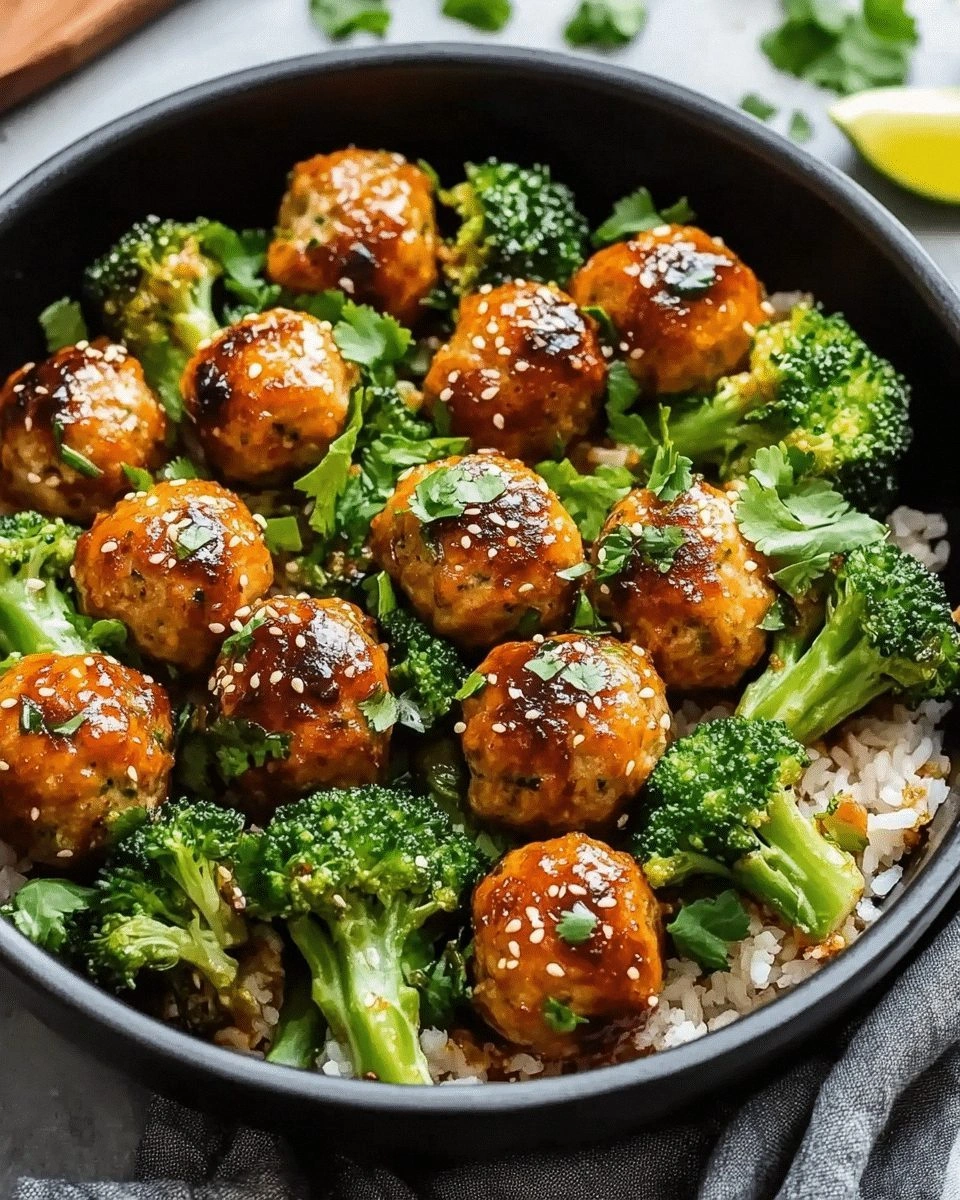
Picture the scene: a sizzling pan on medium‑high, the clack of a wooden spoon, the aroma of fresh ginger and garlic dancing with a hint of caramelized honey. The chicken, once plain and uninspired, now glistens under a glossy, sesame‑infused glaze that feels like velvet on the tongue. Each bite delivers a burst of umami, a whisper of heat, and a satisfying crunch from toasted sesame seeds. The sound of the sauce bubbling is like a quiet celebration, and the sight of the chicken turning from pale to golden is almost cinematic.
What sets this version apart from the countless “Sesame Chicken” recipes you’ll find online is the deliberate layering of flavors and textures. I’ve stripped away the clunky, over‑cooked versions and replaced them with a quick, high‑heat sear that locks in juices, a sauce that balances sweetness and spice without overpowering, and a coating that gives a subtle crunch without turning the chicken soggy. It’s not just another take on a classic; it’s a refined, restaurant‑style dish that you can whip up in under 45 minutes. I dare you to taste this and not go back for seconds.
By the end of this guide, you’ll know the exact technique for that perfect sear, the secret ingredient that gives the sauce its silky finish, and the hacks that save you time and effort. Trust me, if you’ve ever struggled to get the right balance in a stir‑fry, you’re not alone – and I’ve got the fix. Okay, ready for the game‑changer? Let me walk you through every single step — by the end, you’ll wonder how you ever made it any other way.
What Makes This Version Stand Out
- Flavor Depth: The sauce is a symphony of sweet, spicy, and nutty notes that dance on the palate, unlike the one‑dimensional sauces of many quick recipes.
- Texture Contrast: A crispy exterior with a juicy interior is achieved through a precise high‑heat sear and a light coating that doesn’t soak up the sauce.
- Ingredient Quality: Using fresh ginger, garlic, and high‑grade sesame oil elevates the dish from ordinary to extraordinary.
- Simplicity: Despite the complex flavor profile, the recipe requires only a handful of pantry staples and takes less than 45 minutes.
- Make‑Ahead Friendly: The sauce can be pre‑made and stored, making it ideal for busy weeknights.
- Crowd‑Pleaser: The balance of sweetness and heat ensures it’s a hit with both kids and adults.
- Versatility: It can be served over rice, noodles, or even tossed with vegetables for a low‑carb option.
- Visual Appeal: The glossy glaze and toasted sesame seeds give the dish a restaurant‑grade presentation.
Alright, let's break down exactly what goes into this masterpiece…
Inside the Ingredient List
The Flavor Base
The foundation of this dish is the sauce, a marriage of soy sauce, honey, sriracha, rice vinegar, and sesame oil. Each component plays a distinct role: soy sauce provides umami, honey brings caramel sweetness, sriracha adds a punch of heat, rice vinegar cuts through the richness, and sesame oil gives a nutty aroma. If you skip the sriracha, the dish becomes sweet but lacks that memorable kick. Conversely, too much sriracha can overwhelm the delicate balance. For a milder version, replace sriracha with a few drops of hot sauce or a pinch of cayenne pepper.
The Texture Crew
A light coating of flour, cornstarch, salt, and pepper is applied to the chicken before searing. This creates a subtle barrier that keeps the chicken moist while developing a crisp crust. The cornstarch slurry, made by mixing cornstarch with a splash of water, is added to the sauce at the end to thicken it without making it gloopy. If you’re avoiding gluten, substitute the flour with a gluten‑free blend or simply use more cornstarch. The key is to keep the coating dry; excess moisture will steam the chicken instead of searing it.
The Unexpected Star
Fresh ginger and garlic are more than just aromatics; they inject a bright, zesty undertone that lifts the entire dish. Minced garlic is tossed into the pan first, releasing its oils, followed by grated ginger, which adds a subtle heat that complements the sriracha. If you’re a fan of garlic, feel free to increase the amount, but be mindful that too much can dominate the sauce. A pinch of sesame seeds at the end adds a satisfying crunch and an extra layer of nuttiness.
The Final Flourish
The dish is finished with a sprinkle of toasted sesame seeds and sliced green onions for color and a fresh, sharp contrast. A squeeze of lime or a dash of rice vinegar can add brightness if you’re serving it over a heavier base. The final touch is a drizzle of sesame oil right before serving, which gives the sauce a silky finish and intensifies the sesame aroma. If you prefer a less oily finish, simply omit the final drizzle and let the glaze do the job.
Everything's prepped? Good. Let's get into the real action…
The Method — Step by Step
- Step 1: Prepare the Chicken. Pat the chicken thighs dry with paper towels to ensure a crisp surface. Toss them lightly with salt, pepper, and a tablespoon of flour, shaking off any excess. This dry coating will help create a golden crust when seared.
- Step 2: Sear the Chicken. Heat a tablespoon of sesame oil in a large skillet over medium‑high heat until shimmering. Add the chicken pieces in a single layer, leaving space between them. Let them cook undisturbed for 2–3 minutes per side until a golden crust forms and the edges start pulling away. This is the moment of truth; don’t move the pieces yet.
- Step 3: Remove and Set Aside. Transfer the seared chicken to a plate and cover loosely with foil to keep warm. The residual heat will finish cooking the chicken while you work on the sauce.
- Step 4: Build the Sauce. In the same skillet, lower the heat to medium and add a splash of water or chicken broth to deglaze. Scrape the bottom of the pan with a wooden spoon to release the caramelized bits. Stir in soy sauce, honey, sriracha, rice vinegar, sesame oil, minced garlic, and grated ginger. Bring the mixture to a gentle simmer.
- Step 5: Thicken the Sauce. Whisk together cornstarch and a tablespoon of water to create a slurry. Slowly pour this into the simmering sauce, stirring constantly. The sauce will thicken to a glossy glaze within 1–2 minutes. If it becomes too thick, add a bit more water to reach your desired consistency.
- Step 6: Return the Chicken. Add the chicken back into the skillet, turning to coat each piece in the sauce. Cook for an additional 2 minutes, allowing the chicken to absorb the flavors and finish cooking. The chicken should be tender and the sauce should be thick and glossy.
- Step 7: Finish with Sesame. Sprinkle toasted sesame seeds over the chicken and drizzle a small amount of sesame oil for an extra shine. Toss gently to distribute the seeds evenly. The sesame oil should give the sauce a silky finish without overpowering the other flavors.
- Step 8: Plate and Serve. Serve immediately over steamed rice, noodles, or a bed of sautéed greens. Garnish with sliced green onions and an extra sprinkle of sesame seeds if desired. The dish is best enjoyed hot and fresh.
That's it — you did it. But hold on, I've got a few more tricks that'll take this to another level...
Insider Tricks for Flawless Results
The Temperature Rule Nobody Follows
Many cooks think “high heat” is a one‑size‑fits‑all rule. In reality, the chicken’s internal temperature should reach 165°F (74°C). Use a meat thermometer to check after searing. This ensures the chicken is juicy inside while still having that golden crust outside. I’ve seen people overcook it, resulting in dry, rubbery meat, which is a total no‑no.
Why Your Nose Knows Best
If the sauce starts smelling like burnt sugar, it’s time to lower the heat. The caramelization of honey can quickly turn to char if the pan is too hot. Keep the heat medium and let the sauce simmer gently. Trust your nose; if it starts smelling off, adjust immediately.
The 5-Minute Rest That Changes Everything
After searing, let the chicken rest for 5 minutes before adding it back into the sauce. This short pause allows the juices to redistribute, keeping the meat moist. A friend once tried skipping this step and ended up with a dry, over‑cooked chicken that was a major disappointment.
The Quick Sesame Toast
Toast the sesame seeds in a dry skillet over medium heat until they’re golden and fragrant. This step brings out their nutty flavor and adds a subtle crunch. If you’re in a hurry, you can skip this, but the difference is noticeable in the final dish.
The Secret Sauce Finish
Right before serving, drizzle a tiny splash of sesame oil over the chicken. It adds a glossy shine and a burst of aroma that elevates the dish. I’ve seen people forget this final touch, and it’s the difference between a good dish and a great one.
Creative Twists and Variations
This recipe is a playground. Here are some of my favorite ways to switch things up:
Coconut‑Infused Sweetness
Swap the honey for coconut milk and add a pinch of nutmeg. The result is a creamy, tropical twist that pairs wonderfully with jasmine rice. The coconut adds a subtle sweetness that balances the sriracha.
Spicy Pineapple Kick
Add diced fresh pineapple to the sauce for a sweet‑spicy explosion. The acidity from the pineapple cuts through the richness of the sesame oil, creating a bright, tropical flavor profile.
Mushroom Umami Boost
Sauté sliced shiitake mushrooms with the chicken before adding the sauce. The mushrooms absorb the glaze and add an earthy depth that elevates the dish to a gourmet level.
Low‑Carb Version
Serve the chicken over cauliflower rice or zucchini noodles instead of regular rice or noodles. This keeps the dish low in carbs while still delivering the same bold flavors.
Asian‑Fusion Wrap
Wrap the chicken and sauce in a soft tortilla with shredded lettuce, carrots, and a drizzle of peanut sauce for a quick, portable lunch. The crunch of the veggies complements the silky sauce beautifully.
Vegan Adaptation
Replace the chicken with firm tofu or tempeh. Marinate the protein in the sauce for 30 minutes before searing to infuse maximum flavor. The tofu will soak up the glaze and become a hearty, plant‑based main.
Storing and Bringing It Back to Life
Fridge Storage
Store leftovers in an airtight container in the refrigerator for up to 3 days. The sauce will thicken as it cools, so reheat gently on the stove or microwave, adding a splash of water to restore its silky texture.
Freezer Friendly
For longer storage, freeze the chicken and sauce separately in freezer‑safe bags. Reheat the chicken in a pan and then stir in the sauce, heating until hot. This method preserves the crispness of the chicken and the glossy sheen of the sauce.
Best Reheating Method
The best way to revive this dish is to reheat it on low heat, stirring constantly. Add a tiny splash of water or broth before reheating to keep the sauce from drying out. The result is a dish that tastes almost brand new.